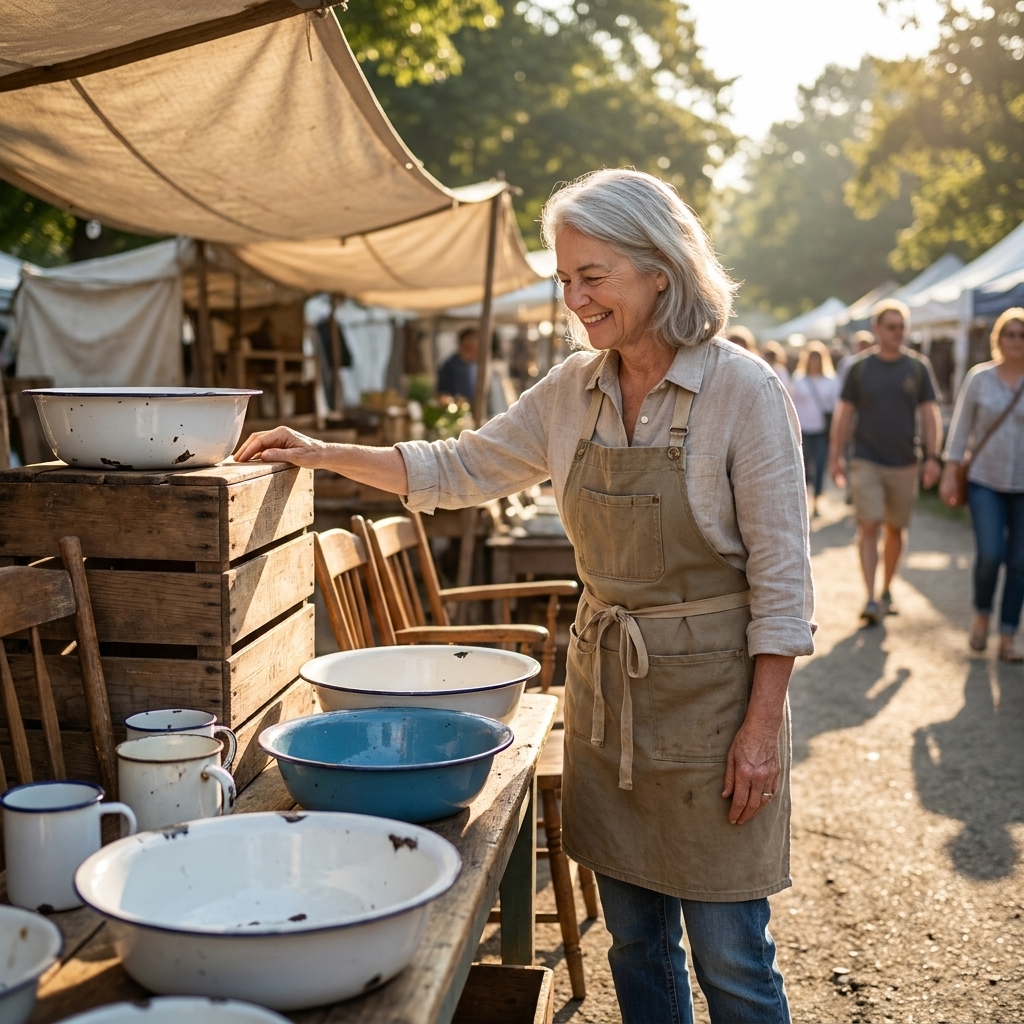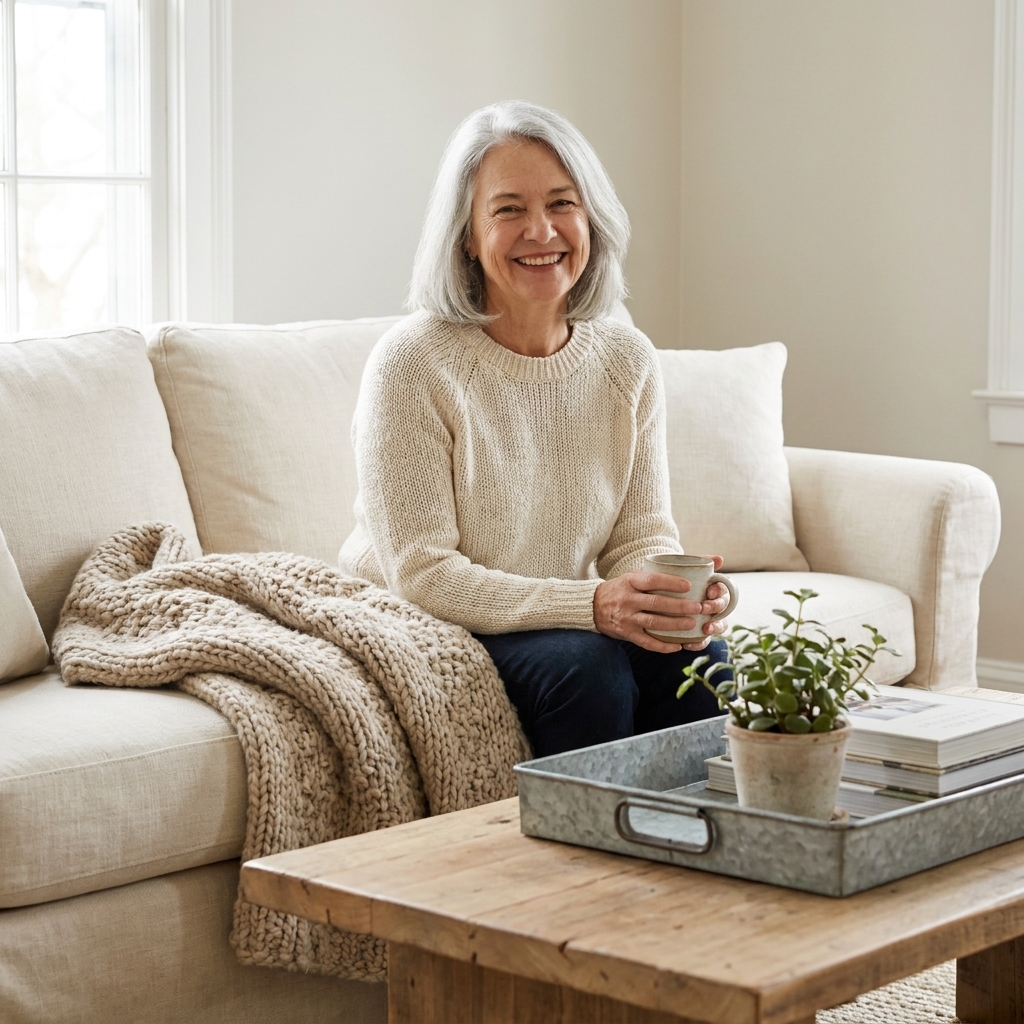
If you have ever walked into an estate sale and felt a little overwhelmed, you are not alone. There is usually a whole lifetime of “stuff” in every room, and it can be hard to know what is actually worth bringing home.
After years of tagging along to antique barns with my grandmother and then furnishing my own little 1920s cottage on a budget, I have a short list of vintage pieces I almost always buy when I spot them. These are the workhorses of cottage styling. They add patina, texture, and that lived-in warmth we all love, and they play beautifully with modern farmhouse basics.
What makes a good find?
My rule is simple: I want pieces that look better with age, can be used (not just displayed), and mix easily with what I already own. Before we get into the list, here are three quick gut checks I do while I am holding an item in my hands.
- Patina over perfection: small dings, worn edges, and soft fading often read as cozy. Avoid anything that is actively crumbling, has flaking lead-based paint, or smells strongly of mildew. If paint is actively flaking, I do not bring it home, and I never sand or scrape old paint unless I know it is lead-safe.
- Natural materials: copper, wood, stoneware, linen, wicker, brass. They bring instant depth to a room.
- Scale matters: pick sizes you will truly use. A tiny bowl that cannot hold anything tends to become clutter. A generous bowl, basket, or lamp earns its keep.
1) Copper cookware (and old baking tins)
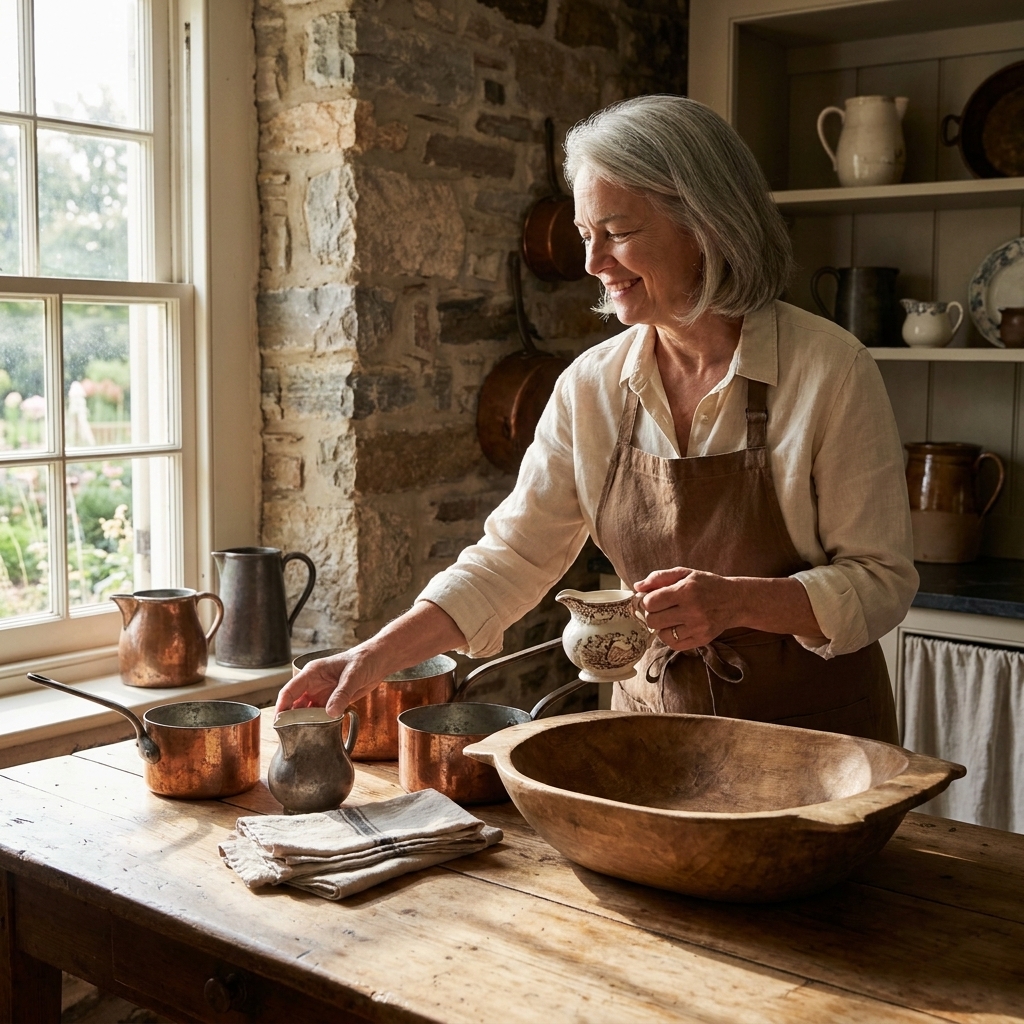
Copper is one of those finishes that makes a kitchen feel collected in five minutes. Even if you never cook with it, copper adds warmth and a little glow that looks especially pretty against creamy cabinets, open shelving, and butcher block.
What to look for
- Real copper with honest wear. A little tarnish is perfect.
- Solid rivets and sturdy handles, especially on pans you might actually use.
- Lined interiors: if you plan to cook, check for a lining (often tin or stainless). If the lining is worn through or peeling, I treat it as decor until it is re-tinned or repaired.
- Old baking tins (muffin tins, loaf pans, tart pans) with a dark, seasoned finish for styling.
How I style it
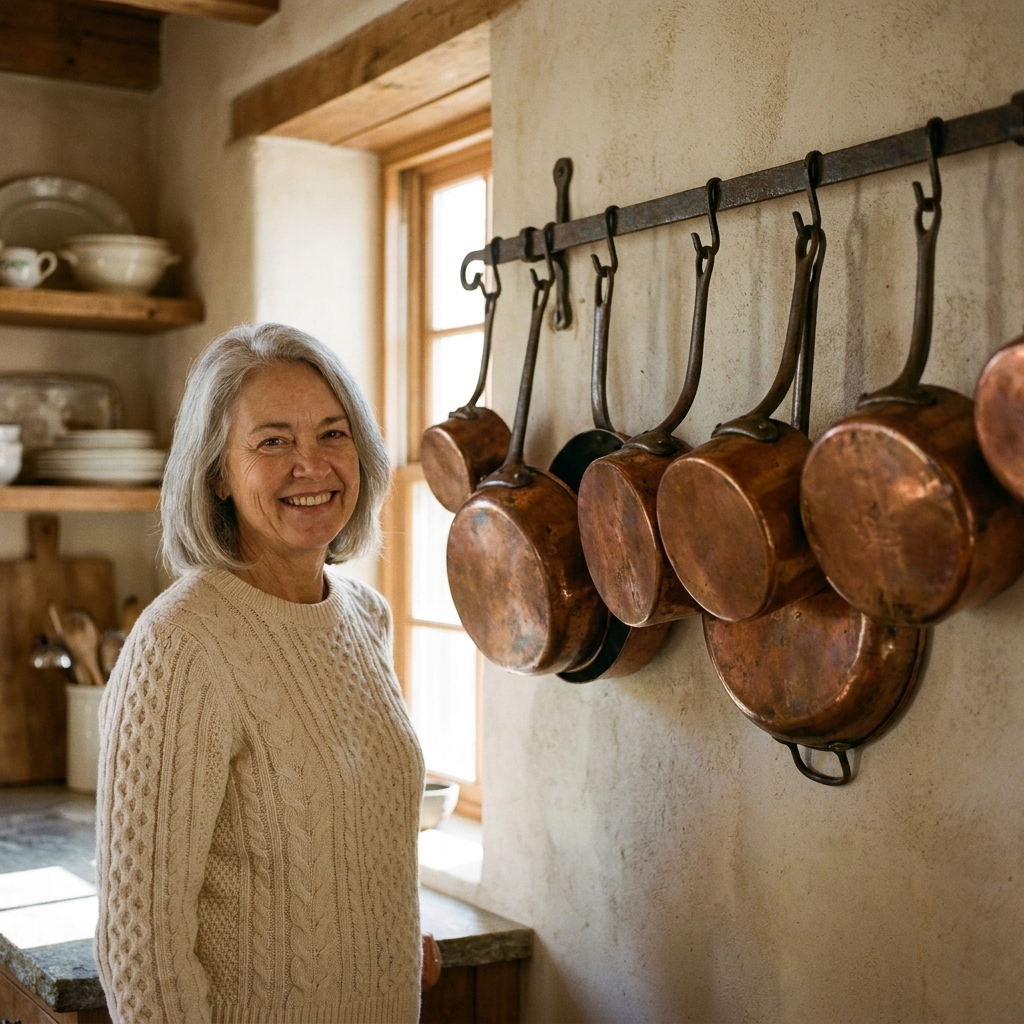
- Hang a few pieces from simple S-hooks on a rail.
- Lean a copper tray behind your range as a backsplash accent.
- Stack vintage baking tins on open shelves to break up stacks of white dishes.
Quick cleaning note: If you like the aged look, just wash with warm soapy water and stop there. If you want shine, a gentle copper polish works, but do not feel like you have to erase the story.
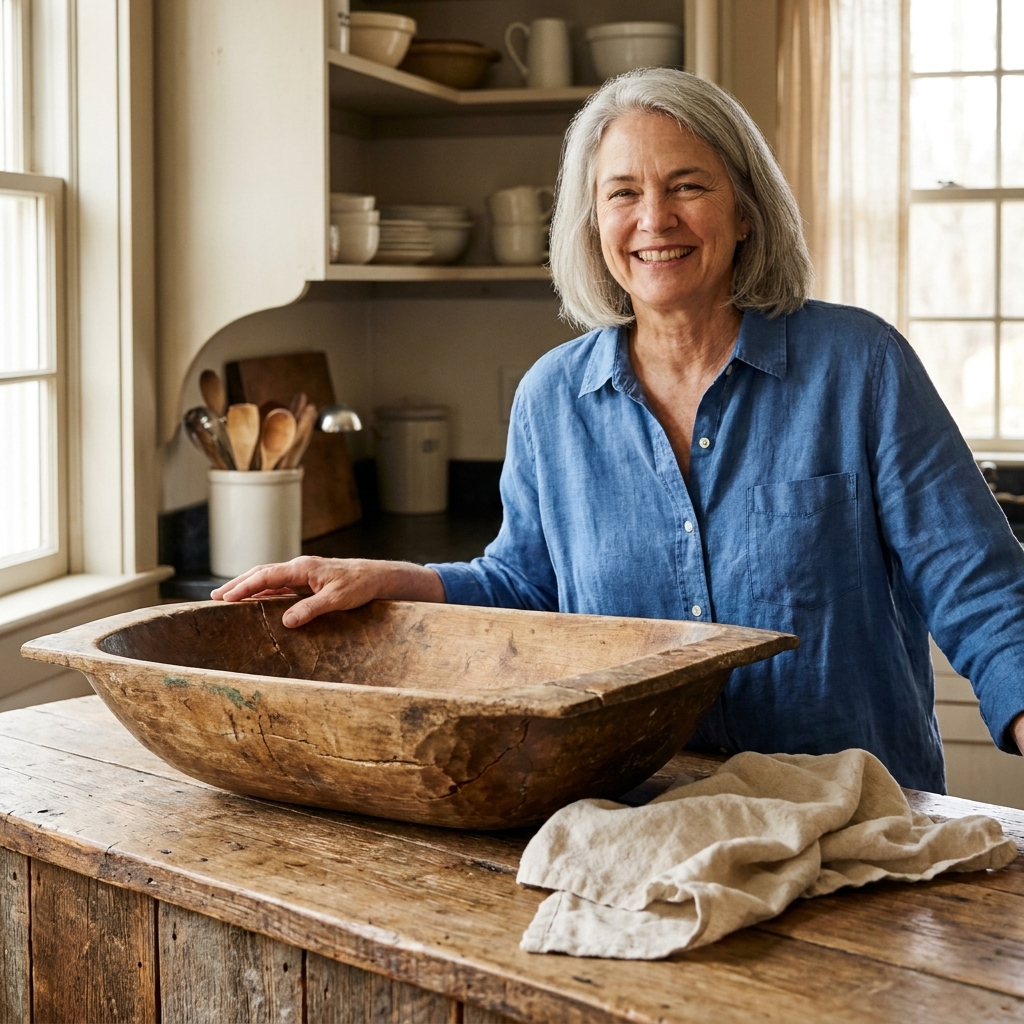
2) Wooden dough bowls
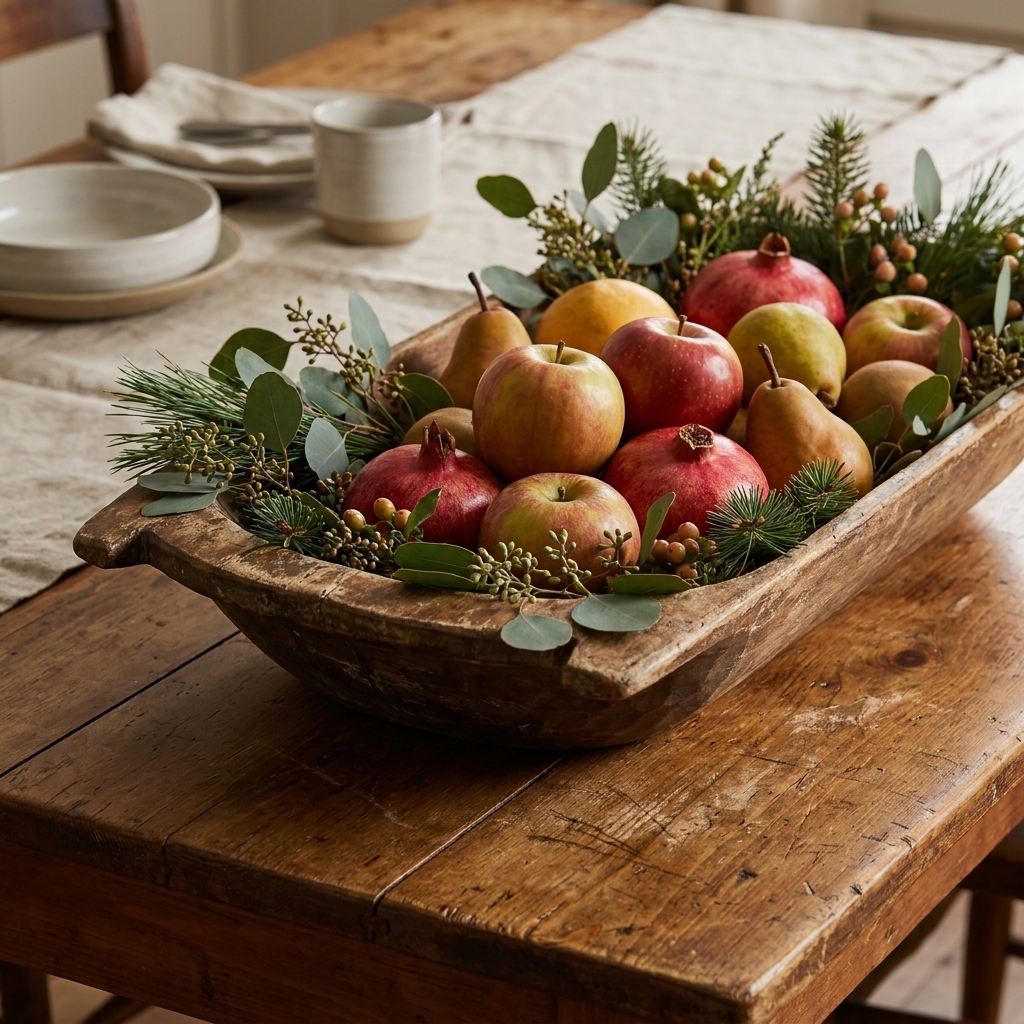
A wooden dough bowl is basically cottage styling gold. It is practical, sculptural, and it makes anything you put in it look intentional. The best ones have a soft, worn interior and a shape that feels a little irregular.
What to look for
- Hand-hewn character: tool marks and uneven edges are a good sign.
- Stable cracks: small hairline splits are common and usually fine. Avoid bowls that feel loose, warped, or actively shedding.
- Size you can use: long and shallow works beautifully as a centerpiece.
How I style it
- On a dining table with pears, walnuts, or oranges in fall and winter.
- On a coffee table with a stack of old books and a candle tucked to one side.
- On a kitchen island as a catch-all for produce or linen napkins.
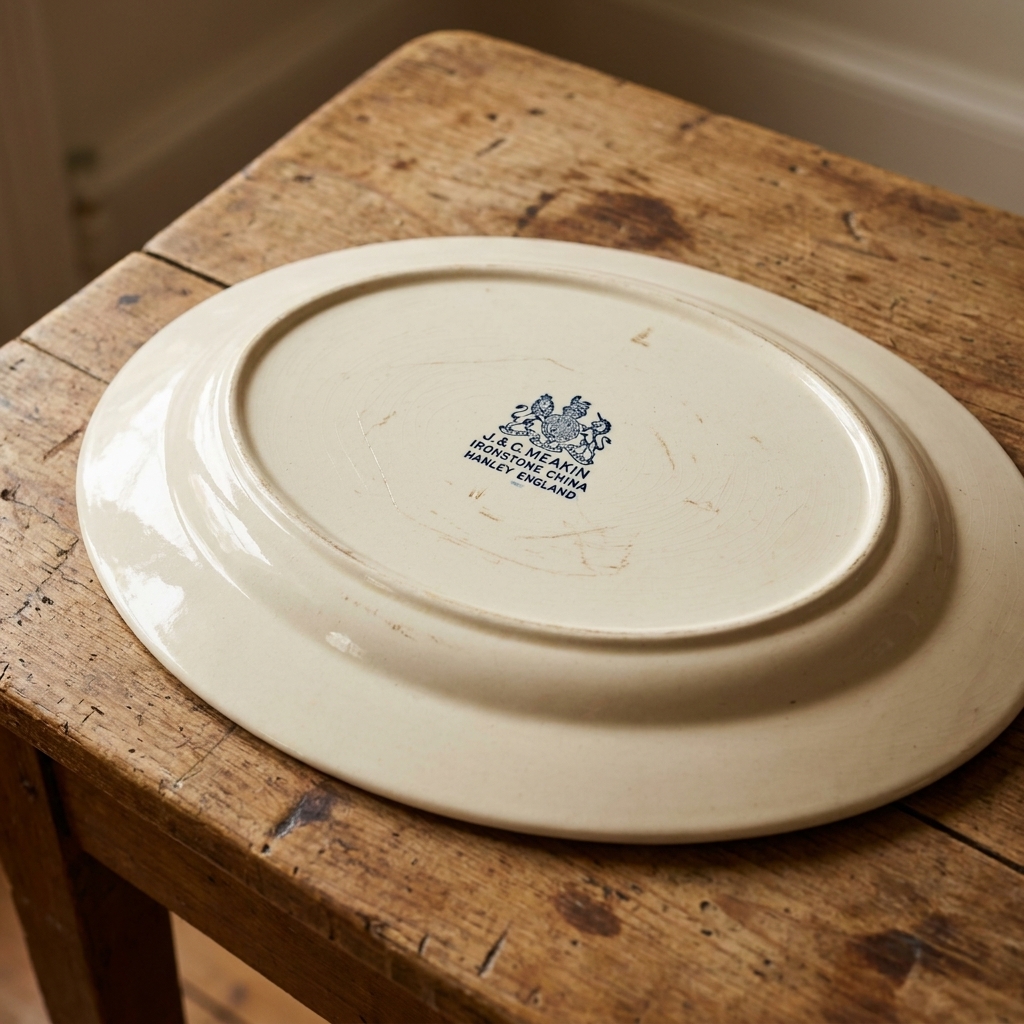
3) Ironstone and transferware
If you want that calm, layered cottage look, start collecting ironstone. It photographs beautifully, yes, but more importantly it makes everyday spaces feel peaceful. I love mixing it with wood, copper, and linen so the whites do not feel stark.
What to look for
- Weight: ironstone typically feels heavier than modern ceramic.
- Crazing and patina: fine crackle lines and age spots are part of the charm.
- Useful shapes: pitchers, platters, serving bowls, and crocks are the pieces you will reach for most.
How I style it
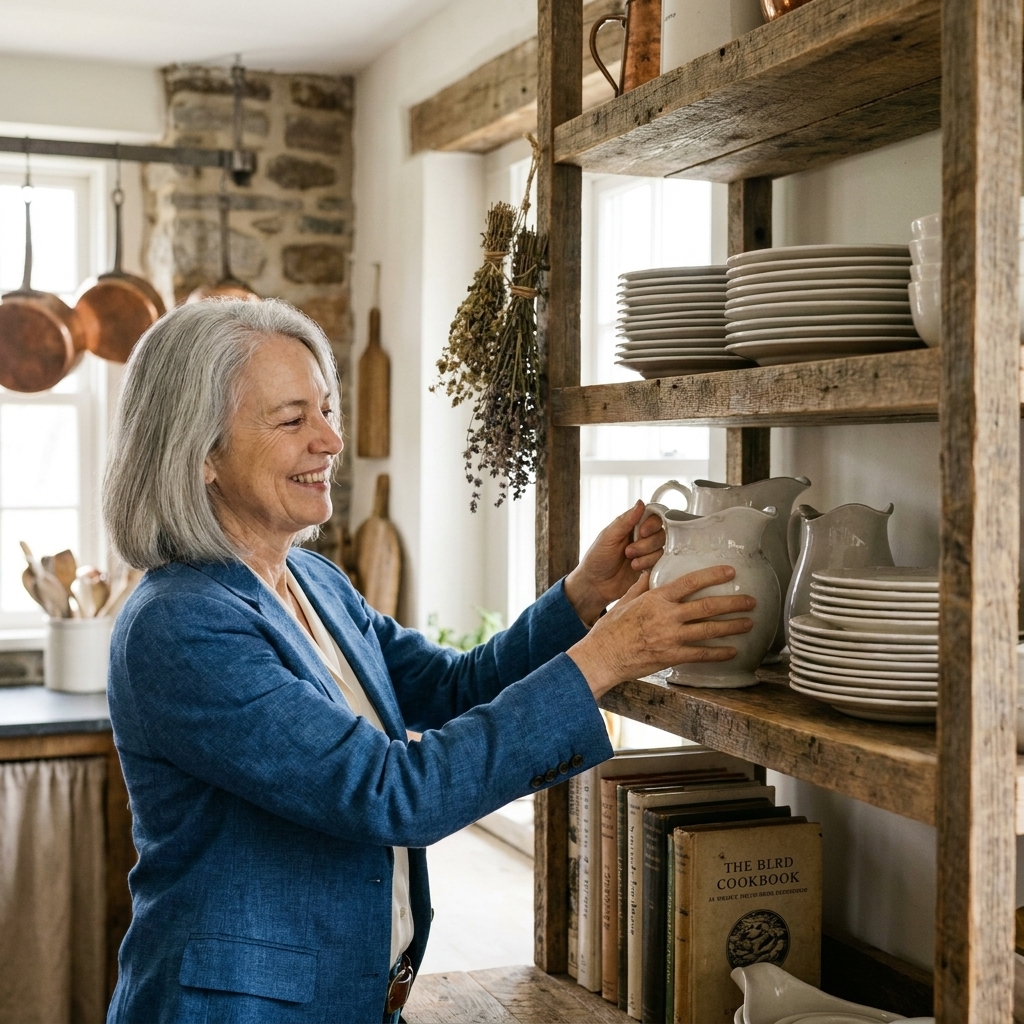
- Stack plates and platters upright in a hutch or on open shelving.
- Use a pitcher for stems from the yard, even simple greenery.
- Layer a transferware platter under a candle and matches on the counter.
Little safety tip: If you plan to serve food, be cautious with very old pieces or anything with unknown glazes or decals. Some vintage glazes and decorations can contain lead or cadmium. Crazing alone does not prove anything, but it can increase leaching risk and it can be harder to clean thoroughly. When in doubt, reserve a piece for styling, or use a reputable food-safety lead test and follow the instructions carefully.
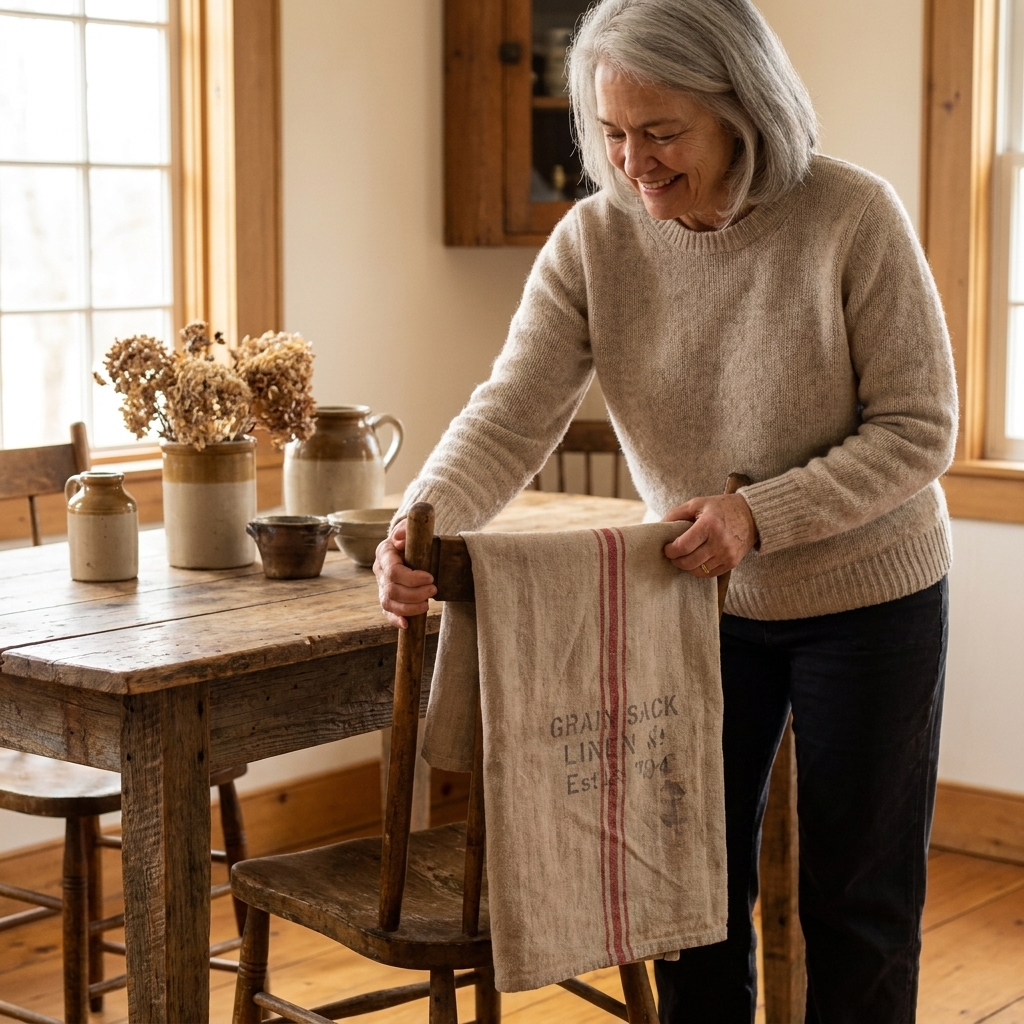
4) Vintage linens
Linens are the quiet heroes of cottage rooms. They soften hard surfaces, they add that slightly rumpled comfort, and they can be swapped seasonally without spending a fortune.
What to look for
- Natural fibers: linen and cotton feel best and age well.
- Beautiful wear: a few small stains or repairs can be charming, but check for thin spots that might tear.
- Great stripes: grain sack-style stripes are timeless in farmhouse spaces.
How I style it
- Use a grain sack as a pillow cover for a quick sofa refresh.
- Drape a linen tablecloth over a table that is less than perfect.
- Fold napkins in a basket on the counter for everyday use.
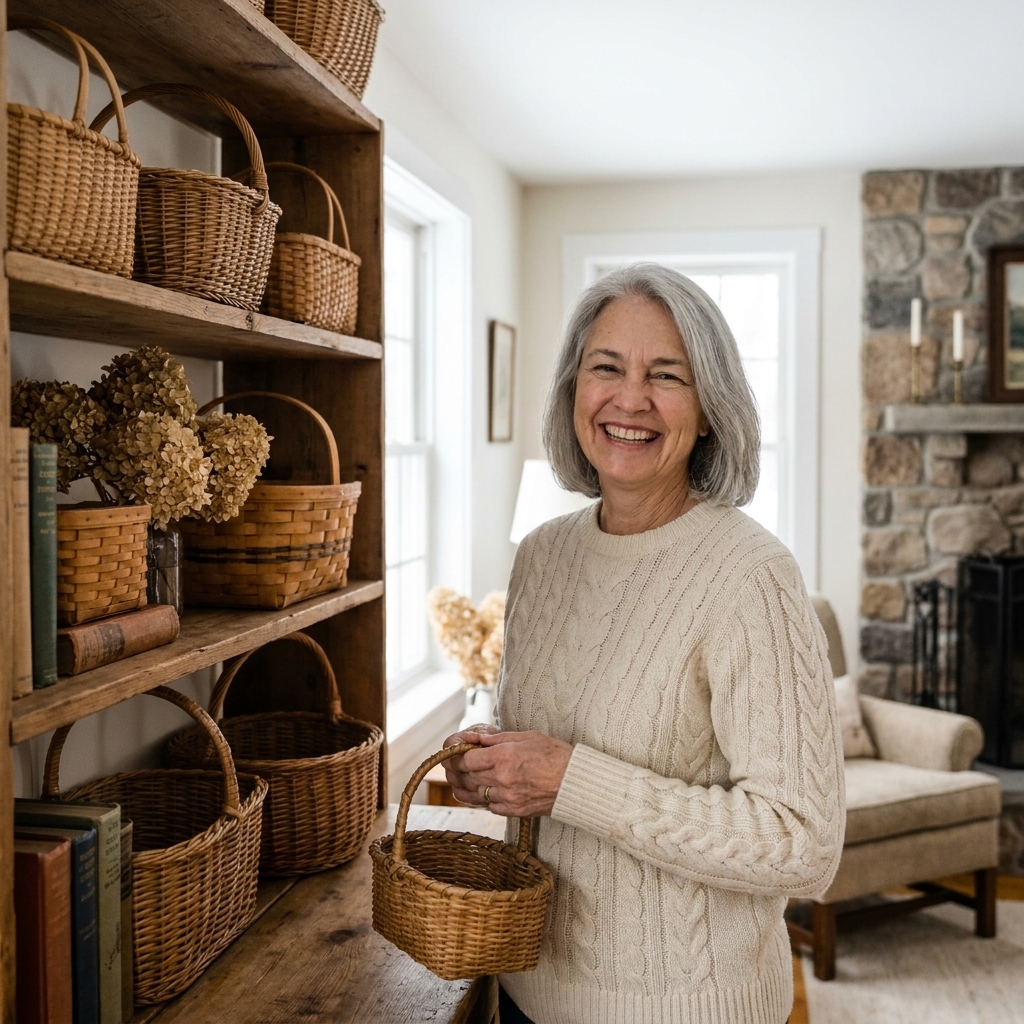
5) Woven baskets
I never regret buying a good basket. Baskets bring texture to shelves, hide the not-so-pretty necessities, and make a home feel lived in rather than staged. Lidded baskets are especially handy if you have open shelving or a small space that needs to stay visually calm.
What to look for
- Sturdy weaving: tug gently on the handle and rim. If it is brittle and snapping, leave it.
- Interesting shapes: egg baskets, market baskets, sewing baskets, and picnic baskets all style differently.
- Clean and dry: musty baskets can be tough to rescue.
How I style it
- Use a low basket on the coffee table for remotes and coasters.
- Stack two or three baskets on top of a cabinet for height and warmth.
- Keep a large handled basket by the door for throws and scarves.
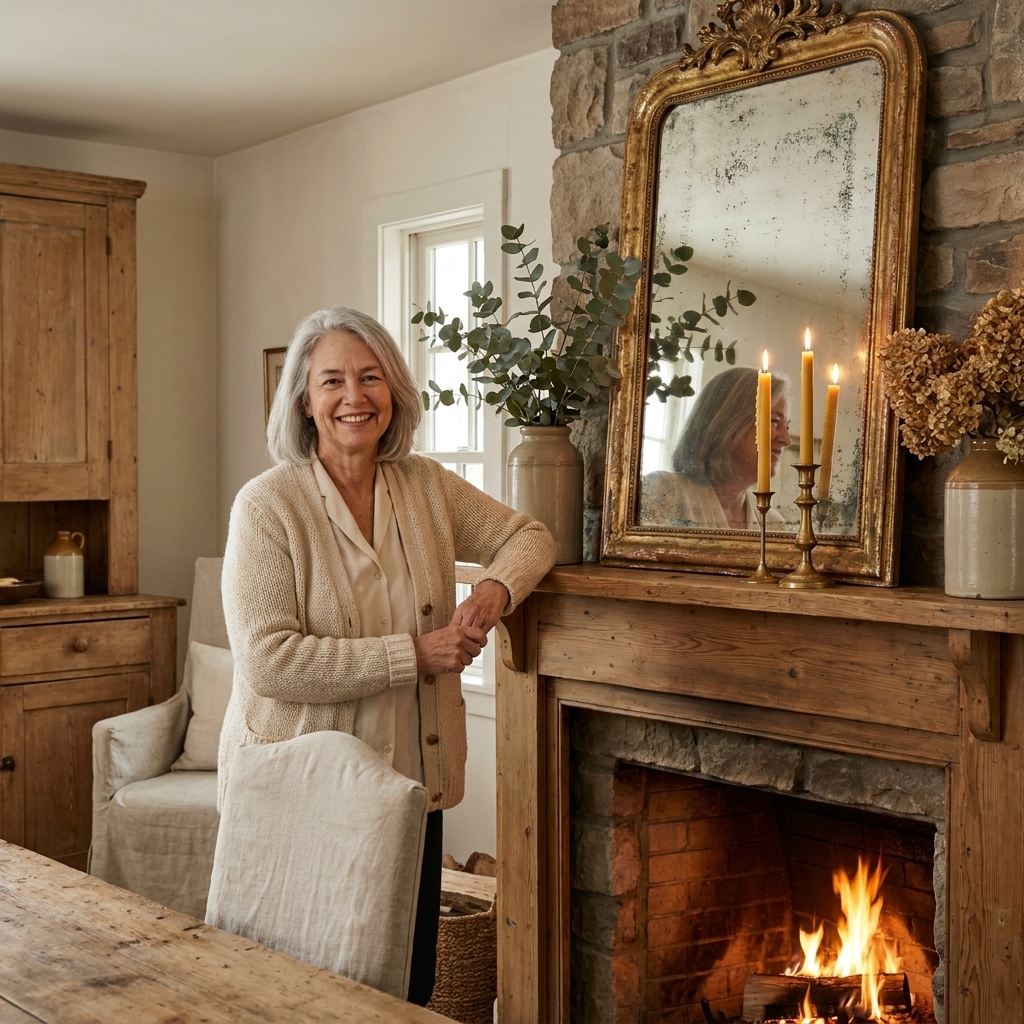
6) Vintage mirrors
A mirror is one of the fastest ways to make a cottage room feel brighter and a little more open, especially in older homes with smaller windows. I always look for mirrors with slimmer frames because they layer easily with art, shelves, and sconces.
What to look for
- Original glass with light speckling or foxing for character.
- Wood, brass, or plaster frames with soft wear.
- Solid backing: check that it is secure and not crumbling.
How I style it
- Lean a medium mirror on a mantel behind candles and greenery.
- Hang a mirror above a small table in an entryway to bounce light.
- Use a mirror behind a lamp on a sideboard to make the whole vignette glow.
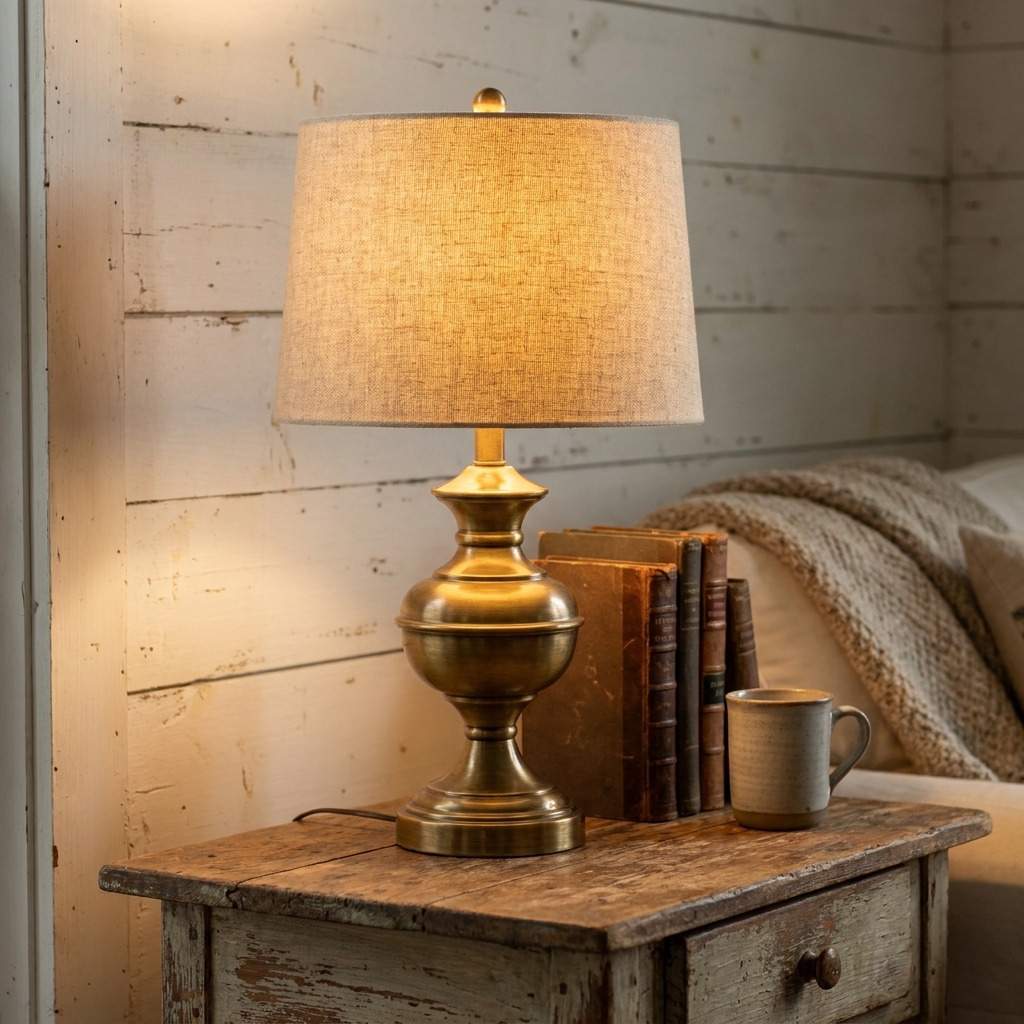
7) Old lamps
If I had to pick one category that makes a home feel finished, it is lighting. Estate sales often have good, heavy lamps that can look brand new with a fresh shade. A warm pool of lamplight is cottage comfort, plain and simple.
What to look for
- Weight and stability: avoid anything wobbly.
- Great materials: ceramic, brass, wood, and stone bases.
- Shade potential: even if the shade is dated, the base is usually the treasure.
How I style it
- Pair an old lamp base with a simple linen shade for an instant farmhouse update.
- Use matching lamps on a buffet or dresser for symmetry without feeling formal.
- Place a small lamp on a kitchen counter for evening warmth.
Safety note: If wiring looks frayed, the socket feels loose, or the plug is damaged, plan on having the lamp rewired before regular use. It is usually affordable, and it is worth it for peace of mind.
My yes list
If you want a quick mental checklist as you walk in the door, here is mine:
- Something copper for warmth
- Something wooden for texture (especially a dough bowl)
- Something white and classic (ironstone)
- Something soft (linen)
- Something woven (basket)
- Something that bounces light (mirror)
- Something that creates light (lamp)
Those seven categories alone can furnish a whole cottage-style home over time, one Saturday sale at a time. And the best part is that none of it has to match perfectly. That is the point. Let it be layered, a little imperfect, and full of heart.
Estate sale FAQs
What day is best to shop?
If you want the best selection, go early on the first day. If you want the best prices, go later on the last day, but be prepared for the really special pieces to be gone.
How do I avoid musty smells?
I pass on anything with active mold. For mild mustiness on baskets or wood, fresh air and sunshine help a lot. For washable linens, a soak and a line dry outdoors usually does the trick.
How do I keep it from looking cluttered?
Repeat materials, not identical objects. For example: one dough bowl, one basket, one ironstone pitcher, and then lots of breathing room around them. Give each piece a purpose and a little space to shine.