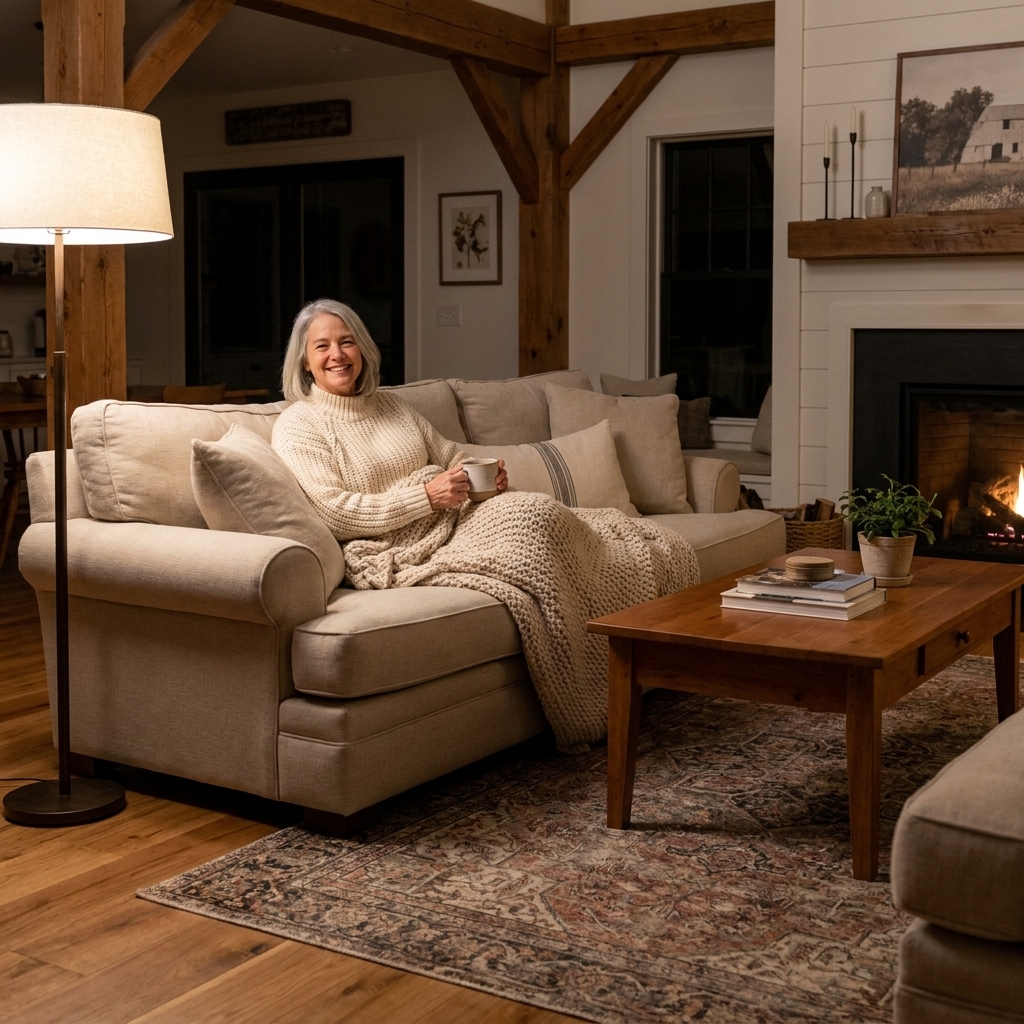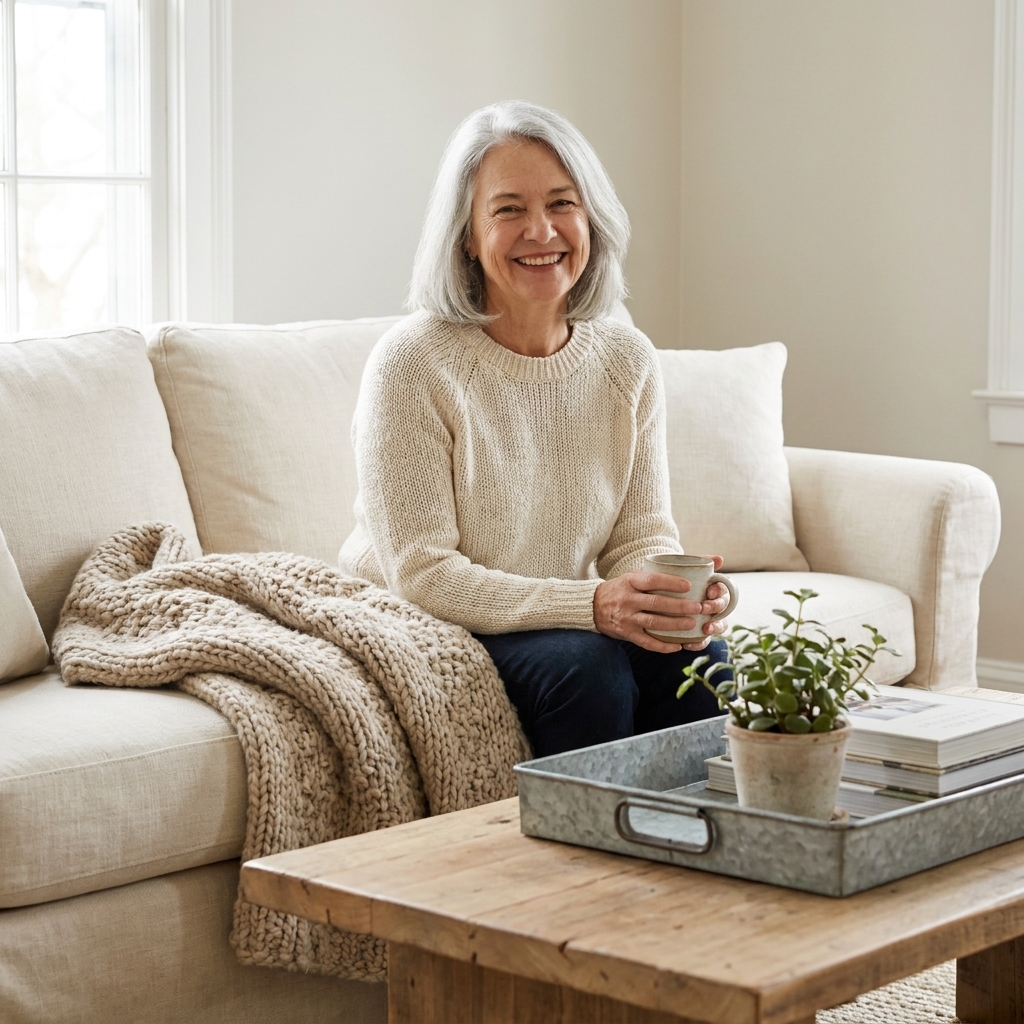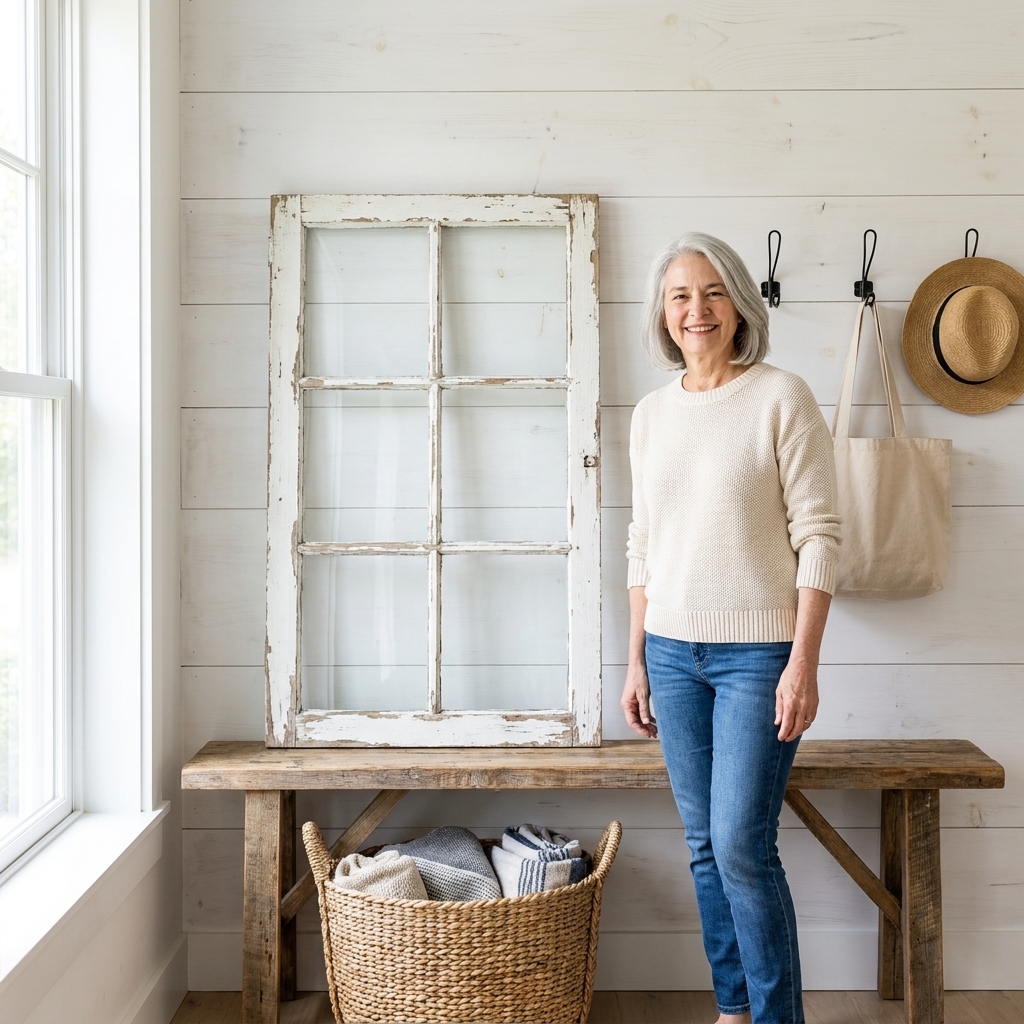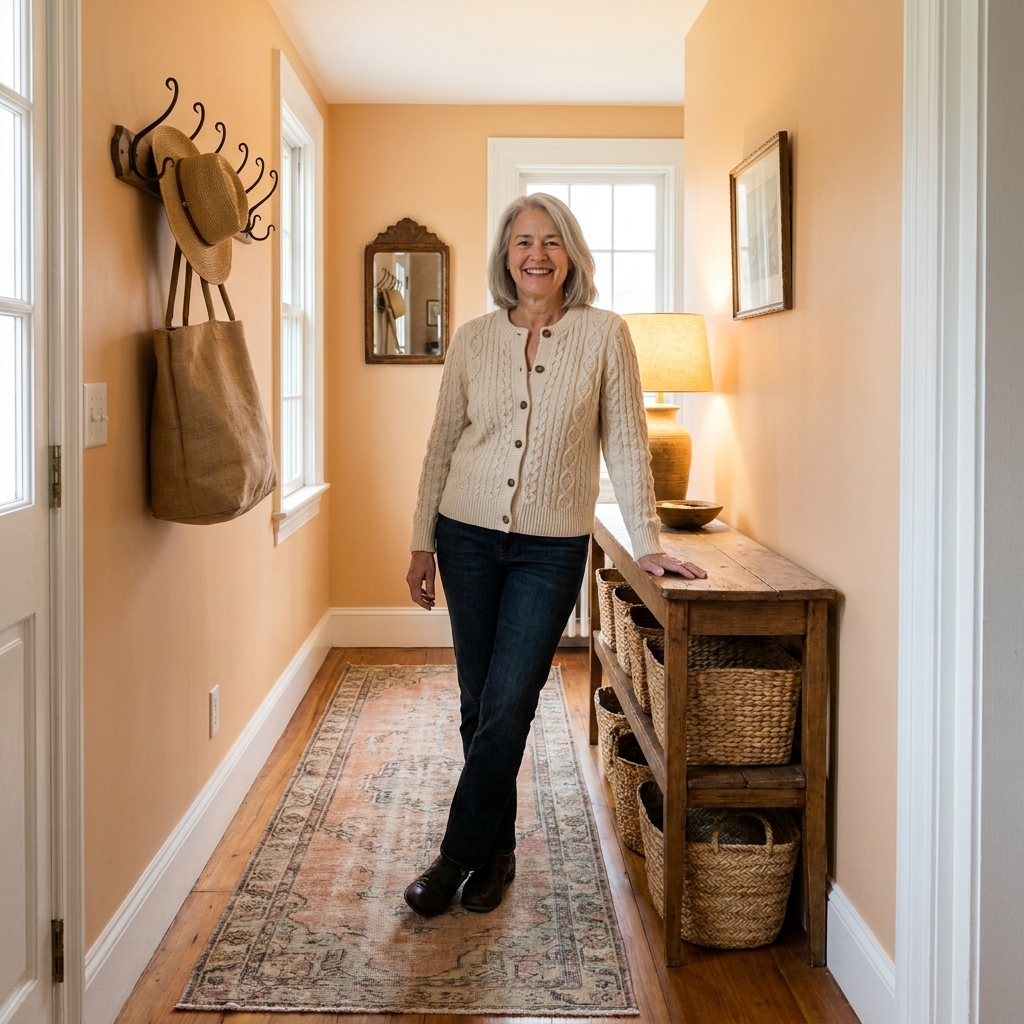
If you've ever dragged home a charming, a little wobbly antique table and then panicked because your sofa is brand new and very much not wobbly, you're in good company. Mixing old and new is where farmhouse style really shines, but it can tip into an “antique store aisle” vibe fast if every surface becomes a display.
My favorite fix is the 80/20 rule. It's not rigid math. It's a calming guideline that helps rooms feel warm, functional, and lived-in. Think: mostly everyday comfort, with just enough history to give the space a soul.
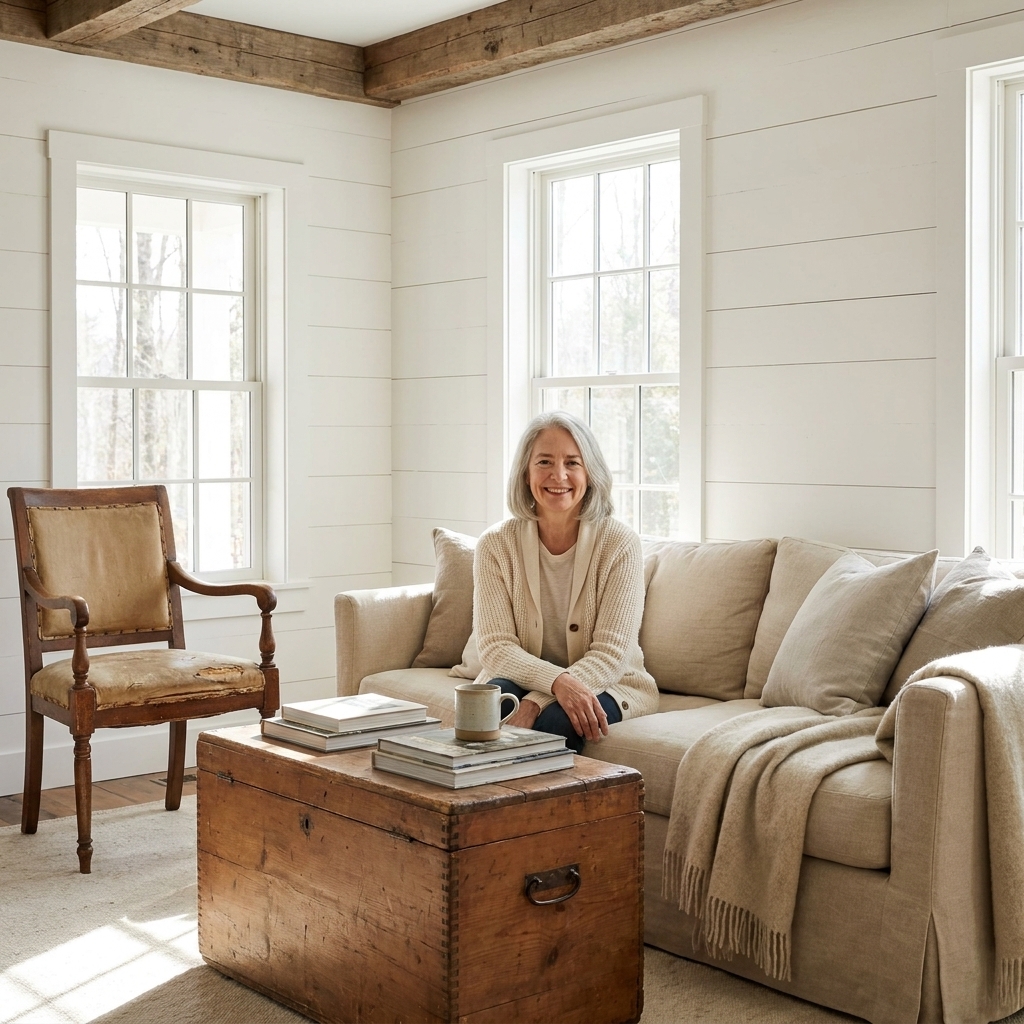
What the 80/20 rule means
The idea is simple:
- 80 percent of the room is your workhorse layer: comfortable seating, rugs that can take a beating, good lighting, and pieces that make daily life easier.
- 20 percent is your story layer: antiques, vintage art, timeworn wood, old brass, and those flea market finds that make you grin every time you walk by.
In a modern farmhouse home, the 80 percent often leans clean-lined and practical. The 20 percent brings in patina, imperfect finishes, and that collected-over-time feeling.
If you only take one thing from this, let it be this: function gets the majority vote. Antiques are the seasoning, not the whole meal.
Build a comfy base (80 percent)
When people tell me their mixed rooms feel cluttered, it's usually because the foundation is too busy or too small. Before you bring in another vintage treasure, make sure your base layer is doing its job.
Choose modern pieces that act like background music
- Sofas and sectionals: simple silhouettes, durable slipcovers, or tightly woven upholstery. A modern sofa gives you the exhale that lets antiques look intentional instead of accidental.
- Rugs: one large rug that anchors the seating area. Going too small makes everything feel like it's floating, which reads as visual clutter.
- Lighting: good lamps and overhead fixtures that actually light the room. Antiques look prettier when they're not hiding in dim corners.
- Storage: closed storage is the unsung hero. When you love old things, you need a place to tuck away the not-pretty parts of life.
A modern farmhouse foundation can still be warm. Look for natural fibers, soft whites, oatmeal linens, matte black accents, and simple wood tones.
Add antiques with intention (20 percent)
This is the fun part, but it works best when you choose antiques that pull their weight. The goal isn't to sprinkle tiny knickknacks everywhere. The goal is to add a few pieces with presence.
Start with heavy hitters
If you're only going to add a handful of vintage pieces, make them count:
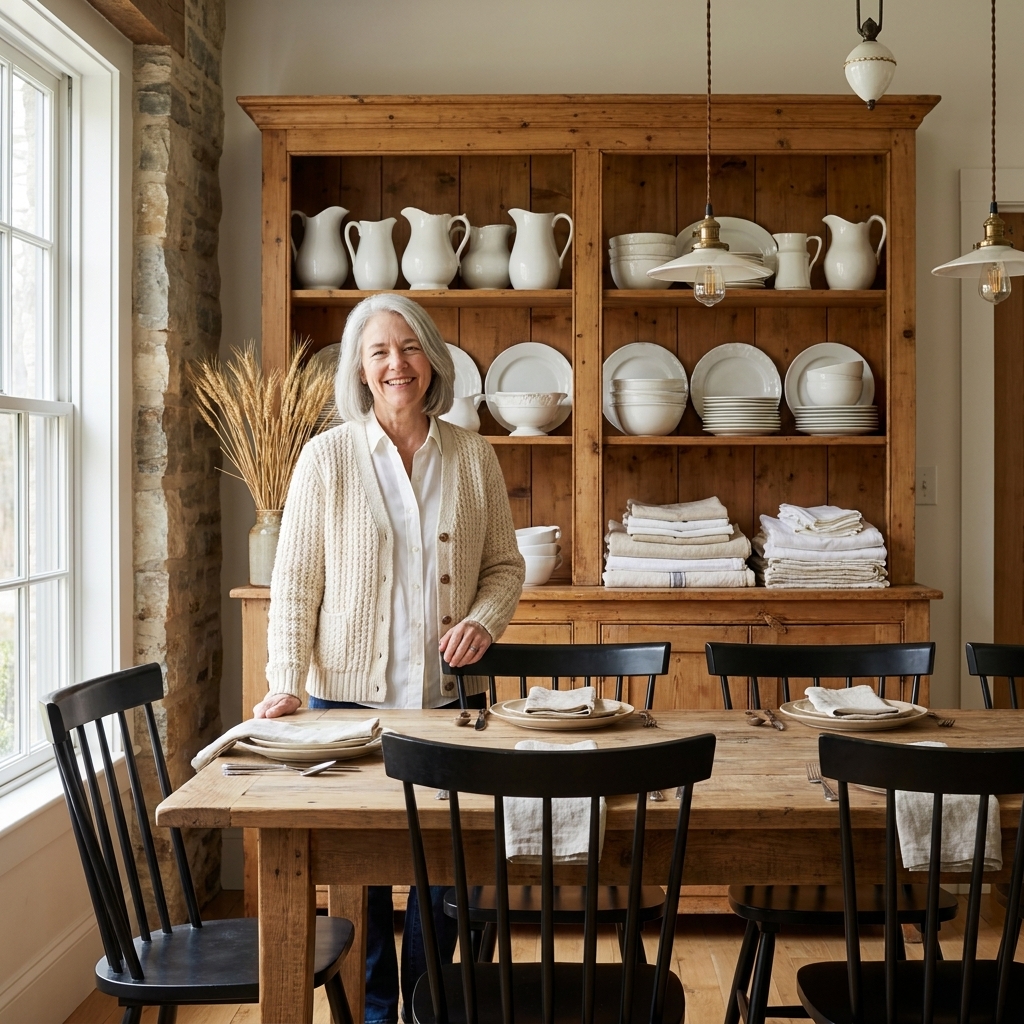
- One antique case piece: a pine hutch, a tallboy dresser, a pie safe, a secretary desk.
- One antique table: a farmhouse table, a gateleg, a harvest table, or a sturdy old console.
- One or two vintage seating pieces: a Windsor chair, ladderback chairs, a bentwood chair, an old rocker.
- One large vintage wall moment: an oil landscape, a framed quilt, a big architectural salvage piece, or an antique mirror.
One substantial antique often looks calmer than ten small decorative antiques, even if the amount of old is technically the same.
How to do 80/20 without math
1) Count your big pieces
List your biggest items: sofa, chairs, dining table, bed, dressers, major storage. Aim for most of them to be modern or simple workhorse pieces, with one to three antiques per room depending on size.
2) Try one antique per zone
Think in zones: reading corner, entry landing spot, dining area, bedside area. Place one antique statement in each zone and keep the rest supportive and quiet.
3) Move character up the walls
If your surfaces are starting to feel crowded, shift the 20 percent upward:
- Vintage art in larger frames
- An antique mirror
- A wall-mounted shelf with breathing room
Walls can carry character without stealing your countertop space.
Make old and new feel related
The fastest way to make mixed pieces feel seamless is to repeat a few materials and finishes across the room. Not identical. Just friendly cousins.
Limit wood tones
Try to stick to two to three dominant wood tones. In my own cottage, I usually rely on a simple combo:
- One warm wood: pine, oak, honey maple, walnut.
- One deeper grounding wood or painted finish: espresso, ebonized, charcoal, or a muted painted antique.
If you bring home an antique with a wild orange finish, you don't have to refinish it immediately. Sometimes the fix is as simple as repeating a warm tone elsewhere, like a woven tray, a wood frame, or a small stool.
Choose two metals and repeat them
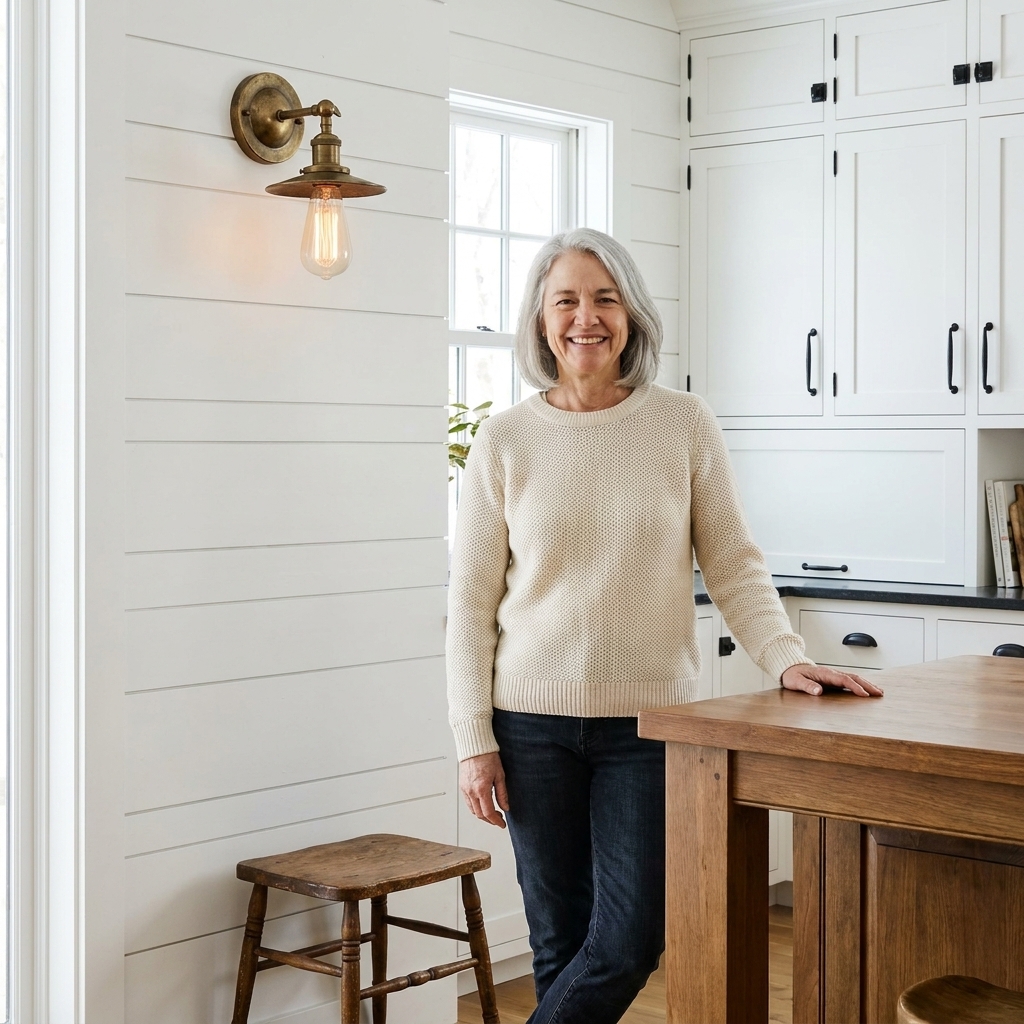
Pick a lead metal and a supporting metal, then repeat both around the room.
- Lead: black iron or aged brass
- Supporting: the other one
For example, you might use black iron on major hardware and lighting, then bring aged brass in as a repeat accent (a sconce, a frame, and a small lamp). When every metal is different, antiques look like they don't belong. When you repeat just two, everything settles.
Keep it cozy, not museum-like
Antiques can go curated collection quickly. These are my go-to guardrails when a room starts feeling precious instead of cozy.
Leave one surface mostly clear
Choose a calming landing strip in every room. It might be the coffee table, the kitchen counters, or the dining table. Keep it simple with one practical item (a tray, a bowl, a lamp) and space to live.
Use casual textiles
Nothing makes antiques feel more approachable than:
- Rumpled linen curtains
- A slightly oversized knit throw
- A washable cotton rug or a layered jute base
- Pillows in ticking stripe, grain sack, or muted plaids
Textiles are the bridge between old-world and everyday home.
Let negative space do its job
Empty space around an antique is what makes it feel special. If a shelf looks crowded, remove a third of what's on it and see how the whole room breathes again.
Scale matters
Antiques often look visually heavier than new pieces, even when they're the same size. If a room feels weighed down, pair your antique with something airy: a linen sofa with simple arms, a leggy side table, a light-toned rug, or open shelving nearby. One sturdy old piece looks best when it has room to be the anchor.
Room examples
Living room
- 80 percent: modern sofa, simple rug, sturdy coffee table, good lamps.
- 20 percent: vintage trunk or antique side table, one antique chair, one large vintage painting.
Tip: If your antique chair is delicate, let it be the pretty chair and keep your main seating deep and comfy.
Dining room
- 80 percent: modern comfortable chairs, a rug that fits, reliable overhead light.
- 20 percent: antique dining table or antique hutch.
Tip: When the table is antique, I love modern chairs for comfort. When the chairs are antique, I often go modern with the table for stability and height consistency.
Bedroom
- 80 percent: modern mattress and bedding, simple nightstands or one nightstand plus a small stool, practical lighting.
- 20 percent: an antique dresser, a vintage mirror, a small antique bench at the foot of the bed.
Tip: Bedrooms feel cluttered quickly. Let the antique be the star, then keep your bedding palette quiet and breathable.
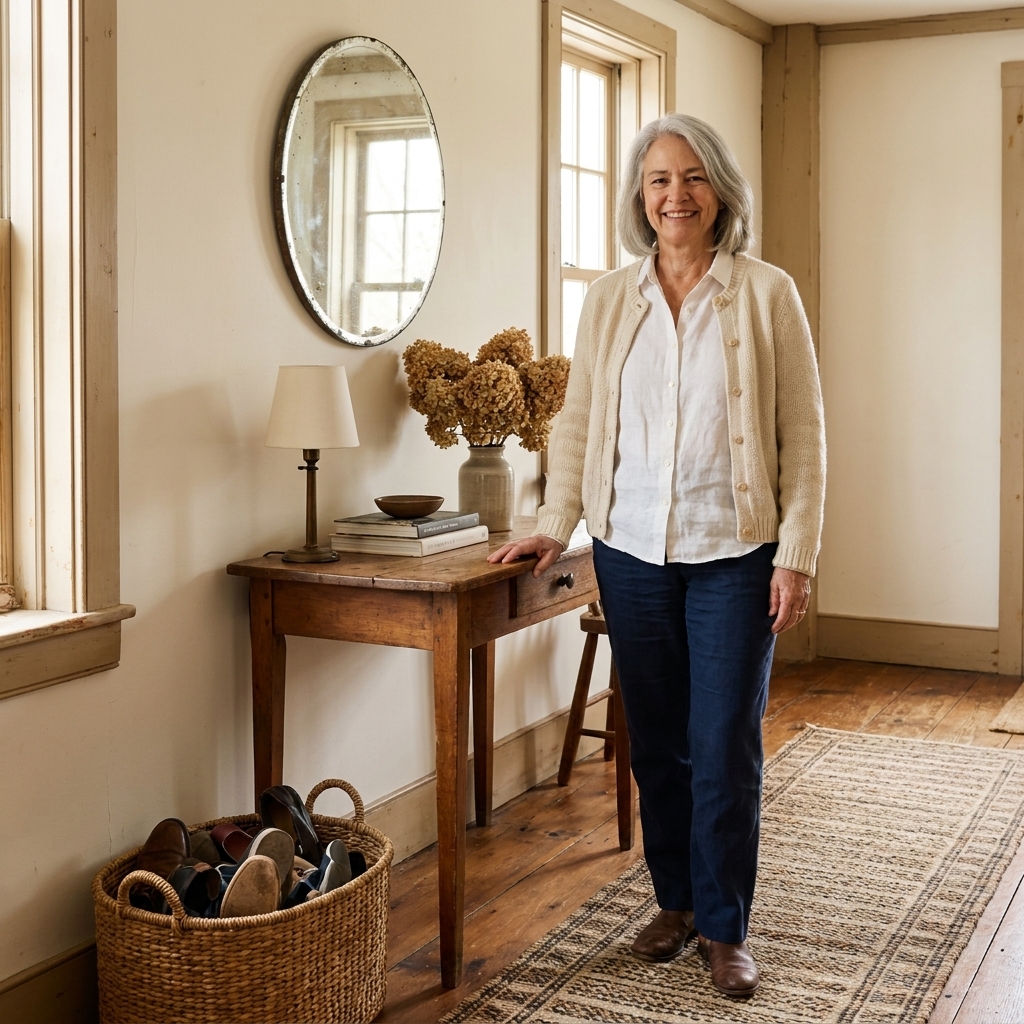
Entryway
- 80 percent: hooks, a runner, a basket for shoes, a place for keys.
- 20 percent: antique console or small chest, vintage mirror.
What to buy antique vs new
If you're trying to avoid regret purchases, here's my rule of thumb. It's not an official design standard, just a practical way to keep the charm without sacrificing comfort.
Great to buy antique
- Case goods: dressers, hutches, sideboards, bookcases.
- Solid wood tables: especially if you don't mind a few dings.
- Mirrors and frames: instant character, usually easy to hang.
- Wood chairs: as long as they're sturdy and comfortable enough for your needs.
Better to buy new
- Upholstery you sit on daily: sofas, primary armchairs. Comfort and cleanability matter.
- Mattresses and bed frames that must be rock-solid: no squeaks, no surprises.
- Anything safety-related: cribs and high chairs (older ones may not meet current safety standards).
- Vintage lamps and hardwired fixtures: only if they've been inspected and, if needed, rewired by a qualified professional.
- Rugs in high-traffic areas: unless you love the patina and can live with the wear.
Buying new where it counts isn't less authentic. It's what keeps the home livable, which is the whole point of farmhouse style.
Fast fixes
Problem: The room feels cluttered
- Reduce small decor and keep only larger, fewer antique accents.
- Increase closed storage.
- Make one surface intentionally bare.
Problem: The room feels like two styles fighting
- Repeat one wood tone and one metal finish at least three times each.
- Swap one modern piece for something with softer edges or natural texture (linen, cane, woven, turned legs).
Problem: The antiques look too brown and heavy
- Lighten around them with creamy textiles and warm whites.
- Add one black accent for contrast (a lamp, frame, or hardware).
- Try a gentle cleaning and conditioning on the wood before refinishing. Sometimes grime, not patina, is the issue.
Problem: The room feels sterile and too new
- Add one truly timeworn piece with texture (an old stool, a dough bowl, a worn bench).
- Bring in vintage art with imperfect frames.
- Layer in a handmade element: a quilt, a crock-and-wood moment, a basket wall.
A simple shelf recipe
If styling makes you freeze, try this gentle formula:
- One tall item: a vintage lamp, candlestick, or vase with branches.
- One grounded item: a stack of books, a covered box, a crock.
- One sentimental item: framed family photo, inherited piece, small painting.
- One natural texture: basket, woven tray, stoneware, wood bowl.
Then stop. The stopping is the hardest part, but it's what keeps the 80/20 balance intact.
Antique care basics
If you're cleaning up old finds, take a beat before you dive in. Painted antiques can have lead paint, so it's worth testing before sanding or scraping. And if you're using any kind of cleaner, start gentle and spot-test first. Patina is lovely. Accidentally stripping it off in five minutes isn't.
FAQ
Does the 80/20 rule mean 80 percent modern and 20 percent antique?
Usually, yes, especially if you're aiming for modern farmhouse comfort. But you can flip it in a room that needs to feel more historic. The point is balance: one layer supports life, the other layer adds history.
How do I keep antiques from looking mismatched?
Repeat finishes (wood and metals), keep the color palette calm, and choose fewer, larger vintage pieces instead of many small ones. Negative space is your friend.
Can I mix different antique eras?
Absolutely. I do it all the time. The trick is to unify them with modern basics and consistent textures, like linen, jute, aged brass, and simple pottery.
What's the easiest antique to start with?
A mirror, a framed painting, or a small side table. They bring instant character without forcing you to redesign the whole room.
The cozy goal
The best farmhouse rooms aren't perfect. They're practical, a little layered, and full of pieces that have clearly been loved. When you use the 80/20 rule, you get the comfort of modern living with just enough antique soul to make it feel like home.
Next time you find yourself holding a dusty treasure in a barn aisle, ask: Is this part of my 20 percent story? If the answer is yes, bring it home and let it shine.