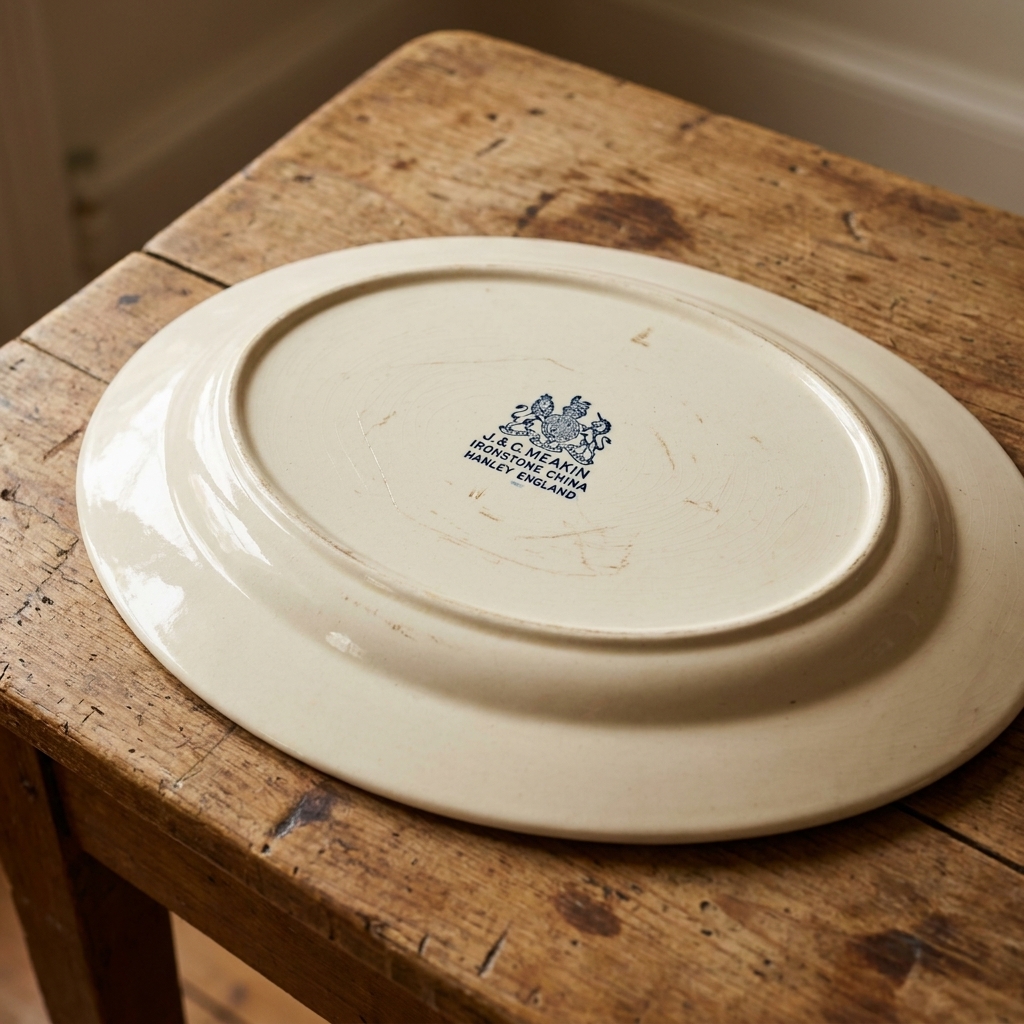
If you have ever picked up a "vintage" dairy sign at a flea market and felt your gut whisper, something is off, you are not alone. The farmhouse look has made old advertising signs and wooden crates wildly popular, which means reproductions are everywhere. Some are honestly labeled and perfectly fine for decorating. Others are made to pass as old, right down to the fake wormholes.
I am all for a good budget find, but I also hate seeing someone pay true vintage prices for something that rolled off a machine last week. So let’s walk through the most reliable, hands-on clues I use when I am sourcing. Think of this as your little barn-sale toolkit, minus the splinters.
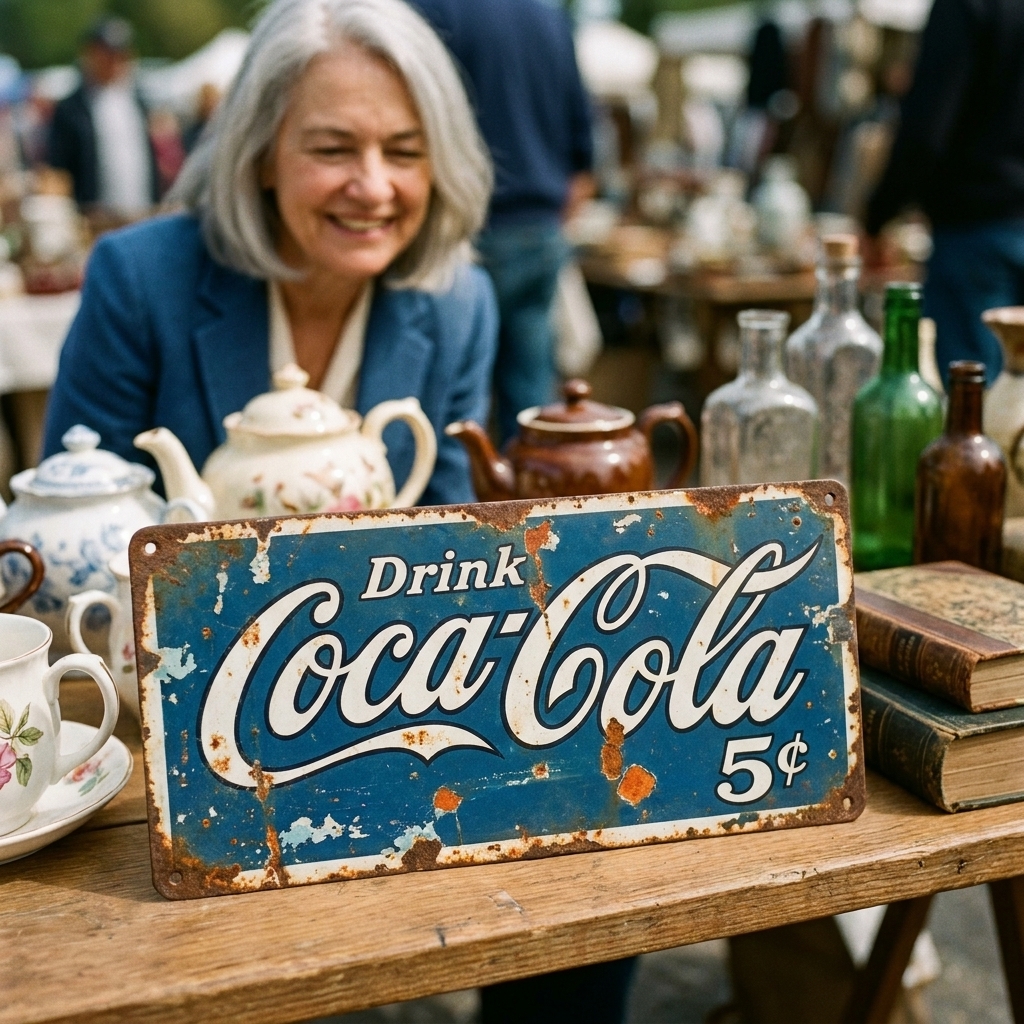
First, define what you are buying
Before we get into red flags, it helps to name the categories. Sellers sometimes use these terms loosely, and the difference affects both price and expectations.
- Authentic vintage or antique: Actually produced decades ago (and used). Wear should make sense with time and handling.
- Reproduction: Newly made to mimic an older look, often based on a real design. It can still be high quality, just not old.
- Decorative “vintage-style”: Mass-produced rustic decor, usually distressed at the factory. Not based on a specific original in many cases.
- Marriage or altered piece: Parts are old, but assembled later (for example, an old crate side mounted to new boards to create a “sign”).
There is no shame in buying reproduction if you love it. The goal is simply paying the right price and knowing what you are hanging on your wall.
Quick tell: does the wear look natural?
Real age tends to show up in layers and patterns that are hard to fake. Artificial distressing often looks a little too evenly “styled,” like it was designed to photograph well.
Natural wear usually looks like
- High-touch rubbing: Softened edges where hands would grab, lift, slide, or carry.
- Uneven fading: Sunlight fades exposed areas more than sheltered corners.
- Grime in creases: Dirt collects where boards meet or under metal straps.
- Layered history: Old paint over older paint, pencil marks, inventory stamps, or retailer codes.
Manufactured wear often looks like
- Symmetrical distressing: Identical scuffs on both corners, evenly “chipped” edges all around.
- One-note damage: A piece looks beat up, but there is no buildup, no staining, no fading. Just scratches.
- Suspicious wormholes: Perfectly round holes in tidy clusters, sometimes repeating like a pattern.
- Bright bare wood: Fresh-looking raw wood under a “distressed” topcoat, with no oxidation or dirt.
How to spot fake vintage farmhouse signs
Vintage signs are their own world, and reproductions range from honest reprints to pieces meant to deceive. Here is what I check in person.
1) The sign base: tin, steel, porcelain, or paper?
Many authentic advertising signs were made on tin or steel, and some of the most collectible ones are porcelain enamel on steel. You will also see paper posters and cardboard store displays, which can be authentic too, but they are more fragile, often framed, and judged a little differently than metal.
- Thickness and feel: Some originals are surprisingly sturdy, and some are quite thin. Treat this as a clue, not a rule, and look for multiple signs of age.
- Edges and holes: Period signs often show age at hanging holes and corners, plus slight deformation from being posted and pulled down over time.
- Very uniform edges: Perfectly consistent corner radii and burr-free edges can suggest modern cutting, but there is overlap. Some originals are cleanly cut, too.
- Back side clues: Look for uniform modern coatings, a fresh galvanized shine, or a sprayed-on finish that looks too even for the piece’s claimed age.
- Porcelain signs: True porcelain enamel tends to have a hard, glassy surface, with chips that reveal metal beneath and rust that creeps out from those chips. Many repros try to imitate this with printed “chips” or overly tidy distressing.
2) Printing method: screen print, litho, or digital?
This is one of the most dependable tells, but it is not magic. Vintage printing can be very crisp, and modern repros can simulate old dot patterns. Still, you can learn a lot by looking closely.
- Screen printing: Often leaves slightly raised ink and crisp color blocks. Under magnification, you may see the texture of the screen.
- Offset lithography: You may see rosette dot patterns and occasional registration quirks where colors do not align perfectly, especially on well-worn pieces.
- Digital printing: Many modern reproductions look ultra-smooth with photo-like gradients. Under magnification, the dot pattern can look too uniform and “modern.”
If you can, tilt the sign under light. Raised ink, tiny cracks in the finish, and age along edges and mounting points can be very telling.
3) Typography and design details that feel off
Design trends are like accents. They give themselves away.
- Modern fonts posing as old: A lot of farmhouse reproductions use fonts that imitate hand lettering but feel too clean and uniform.
- Too many buzzwords: Phrases like “Fresh Milk” and “Farmhouse Market” can be charming, but many are modern inventions, not real brand advertising.
- Overly curated palettes: Real advertising was designed to sell, not match a beige living room. Authentic pieces can be surprisingly bold.
4) Rust and patina: real corrosion is not pretty
Real rust is rarely evenly sprinkled. It blooms where moisture sits: along bottom edges, around nail holes, under brackets.
- Watch for painted-on rust: If the “rust” looks like a brush effect sitting on top of everything, that is a reproduction trick.
- Look at layering: True corrosion often lives under old paint, lifting it. Fake rust is often applied over paint.
- Odor is a tiny clue: Sometimes old pieces have that dusty garage scent, and sometimes they smell like nothing at all. Treat smell as a small nudge, not proof.
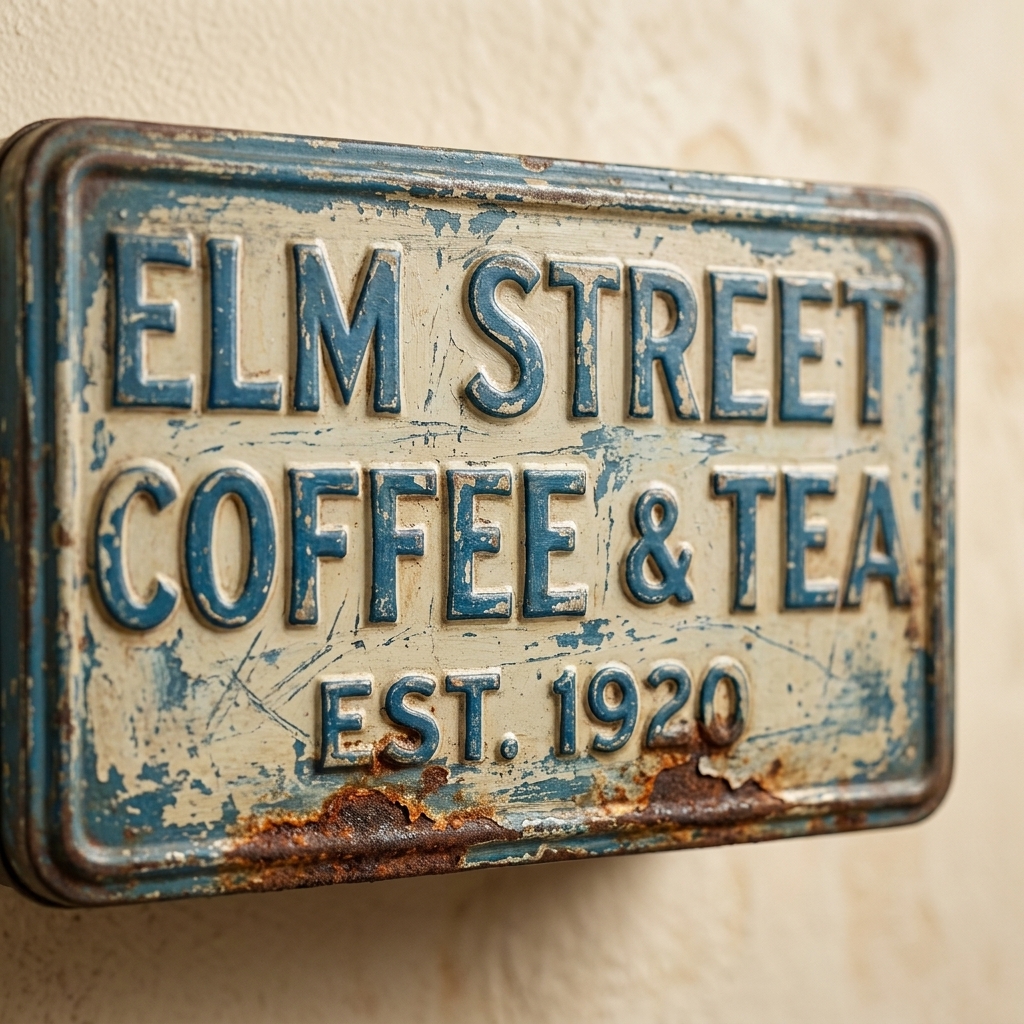
How to spot fake vintage wooden crates
Crates are my weakness. They stack beautifully, they store everything from throws to onions, and they add instant texture. But they are also one of the most reproduced farmhouse items out there.
1) Wood type and weight
Older crates were built to work hard, often from whatever was practical and available locally.
- Look for dry, oxidized wood: A true old crate often has a mellowed, gray-brown warmth, especially inside corners and on the bottom slats.
- Watch for “new pine” brightness: A lot of reproductions use fresh pine and then stain it. The wood can look golden and new where it is “scratched.”
- Check for movement: Vintage wood can warp, cup, or show slight shrinkage at joints. Reproduction pieces often look perfectly square and machine-straight.
2) Fasteners: nails tell stories
I always flip crates over. The underside is like the receipt. Just keep the era in mind: most 20th-century crates are built with wire nails, while cut nails are more common on earlier wood pieces.
- Period-appropriate nails: Oxidized wire nails are often exactly what you want to see on a working crate.
- Staples and uniform brads: Modern staples, shiny nail heads, and consistent pneumatic brad patterns can suggest a new build.
- Patina around metal: On real crates, you often see darkening around fasteners from years of moisture and handling. On fakes, the wood around nails can look clean.
3) Joinery and saw marks
Vintage crates can be rough. That is part of their charm.
- Authentic saw marks: Depending on the era, you may find circular saw marks, uneven cuts, or chatter.
- Reproduction “character” marks: Some new crates have deliberately added gouges and grooves that repeat across boards. Repetition is your clue.
4) Stamps, brands, and printing on crate sides
Stamped produce crates can be the trickiest because reproductions love a bold logo.
- Look for uneven ink soak: Real stamps often bleed slightly into grain, especially on rough boards.
- Check placement: Authentic stamps are sometimes crooked or placed wherever there was room. Perfectly centered logos can be suspicious.
- Beware of too-crisp edges: Modern prints on wood can look sharp and flat, sitting on top of the grain.
- Ask “does this make sense?” A tiny local orchard might be real. A generic “FARM FRESH” brand with no location or product details is usually modern decor.

Fast checks in the booth
When you are standing in a booth and trying to decide quickly, I use a simple top-three before I get lost in the details.
- Flip it: Does the back or underside look like real life, or does it look “styled,” too?
- Follow the touch points: Are edges, handles, and hanging holes worn the way hands would actually wear them?
- Scan the hardware: Do fasteners look period-appropriate, with age that matches the rest of the piece?
If I still feel unsure, then I run through the longer checklist.
- Does it smell brand-new, like stain, polyurethane, or fresh ink?
- Is the distressing evenly distributed like a design choice?
- Are all nail heads the same size and finish?
- Is the underside as “perfectly styled” as the front?
- Do the corners have identical damage patterns?
- Is the wear missing where it should be, like handles and edges?
If you answer yes to more than a couple, it is probably reproduction. Again, not bad, just something to price accordingly.
Questions to ask a seller
You can learn a lot by simply chatting, in that friendly, curious way we all do at markets.
- “Where did you find this?” Estate clean-out, barn, old store closing, family piece, or “a wholesaler” are very different answers.
- “Do you know what it originally advertised?” Sellers of authentic advertising often know the brand, product, or region.
- “Is this an original or a reproduction?” Ask kindly and directly. Honest dealers will tell you.
- “Can I see the back and bottom?” If they hesitate, that is information.
If a seller claims it is antique but cannot answer basic questions, slow down and look closer.
If you are paying antique prices, it is also fair to ask for a receipt that describes it as “vintage/original” or “reproduction.” Reproductions are not the problem. Misrepresentation is.
Buying online without getting burned
Online shopping can be great for selection, but you lose the ability to feel weight, see edges in person, and catch odd finishes. So you have to be pickier about photos and wording.
- Ask for specific photos: back, corners, hanging holes, fasteners, bottom edge, and any makers marks.
- Read the listing language carefully: Phrases like “in the style of,” “inspired,” “after,” and “antique finish” are often gentle ways to say “new.”
- Get clarity in writing: If the seller calls it “vintage,” ask, “Is it an original period piece?” and keep the answer in messages.
- Check returns: For anything priced like a collectible, a clear return policy is part of the value.
Price and value
Pricing varies wildly by region and by the specific graphic or brand, but here is a realistic mindset:
- Reproduction decor signs: Usually priced like new home decor. Pay what feels fair for the size and quality, not “antique” money.
- Authentic local crates: Often affordable, especially if they are common in your area and not tied to a collectible brand.
- Rare or desirable advertising: True vintage soda, dairy, feed, and hardware advertising can jump quickly in price if collectors are involved.
My rule of thumb: if it is priced like an heirloom, it should have the evidence of one.
If you love the look but want real age
If you are drawn to that timeworn charm, but do not want to gamble on fakes, try these more reliable routes:
- Buy from dealers who label clearly: Look for “reproduction,” “vintage,” “antique,” and “marriage” used accurately.
- Shop estate sales: Crates in garages and basements are often the real thing, and priced like it.
- Choose honest vintage-style: If you are decorating on a budget, buy reproduction on purpose, then focus on layering it with true old pieces like crocks, stoneware, or textiles.
- Let one authentic piece lead: A single real sign or crate can anchor a whole vignette. Everything else can be simple.
FAQ
Are reproductions always labeled?
No. Big retailers often label items as “vintage-inspired” or “antique finish,” but at markets and online listings, it can be inconsistent. If the listing says “vintage” but looks brand-new, ask for photos of the back, edges, and hardware.
Is reclaimed wood automatically vintage?
Not necessarily. Reclaimed wood can be old, but the piece might be newly built. A new crate made from old barn wood is still a reproduction crate. It can be beautiful, just not an original.
Do real vintage signs have perfectly smooth surfaces?
Sometimes, especially if they were stored well. But even well-kept signs often show subtle oxidation, tiny scratches, or age on the back and edges. A flawless front with a flawless back can be a clue it is new.
Can I clean a vintage sign or crate without ruining it?
Yes, gently. For signs, start with a dry soft cloth, then a slightly damp cloth if needed. Avoid harsh cleaners and avoid soaking. For crates, vacuum dust, use a soft brush, and spot-clean lightly. Patina is part of the value, so think “tidy,” not “brand-new.”
One last pep talk
Here is what I wish every farmhouse decorator knew: you do not need a house full of rare antiques to have a home with soul. A reproduction sign can still be charming if it makes you smile. But when you want the real thing, trust your hands and your eyes. Flip it over. Look at the edges. Follow the wear.
And if you ever feel unsure, walk one more lap around the market. The right piece has a way of waiting for you.