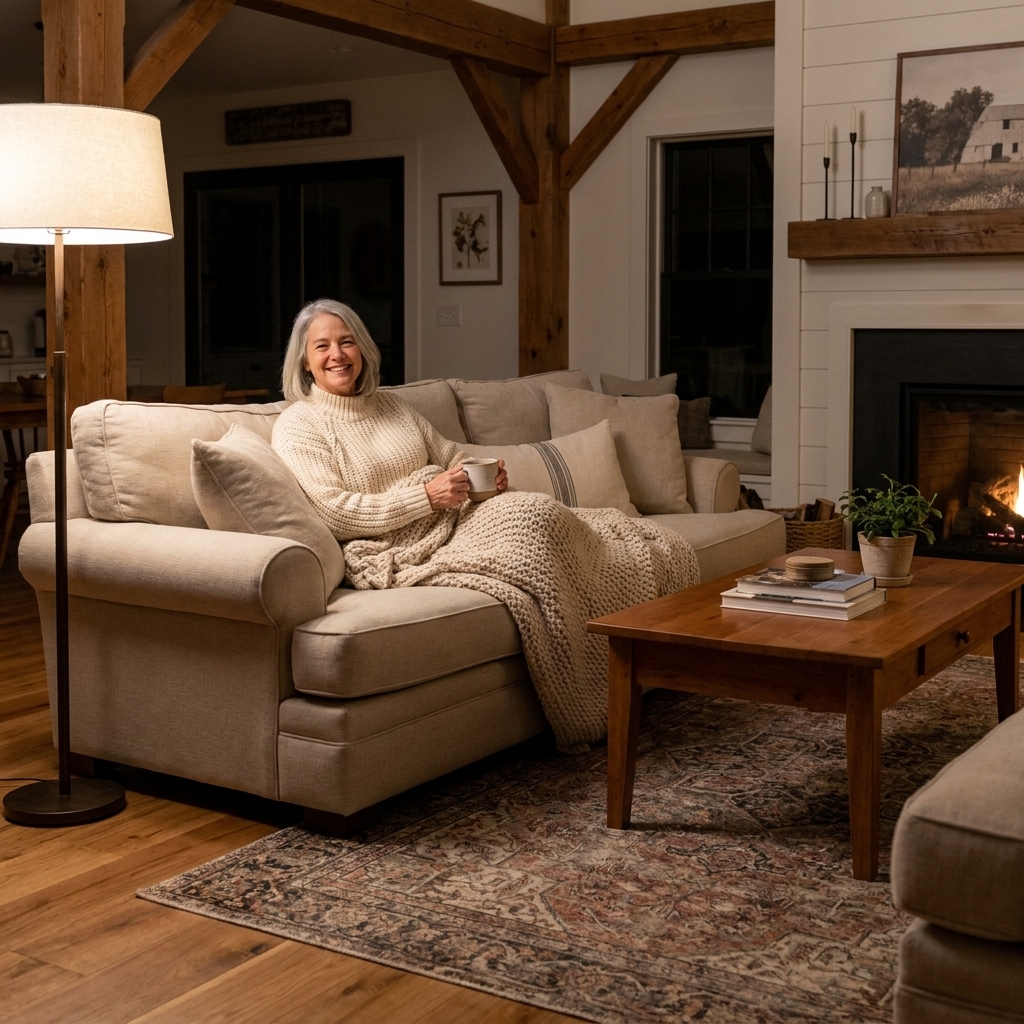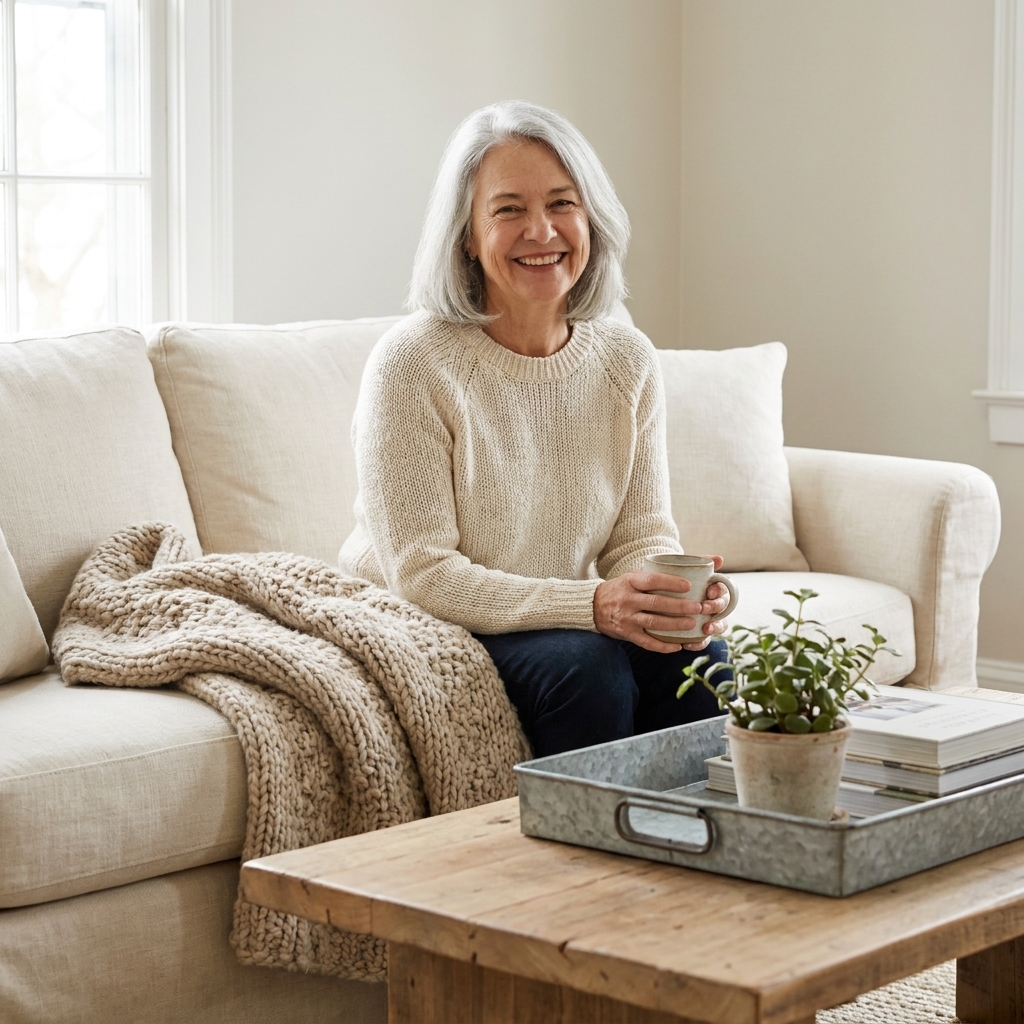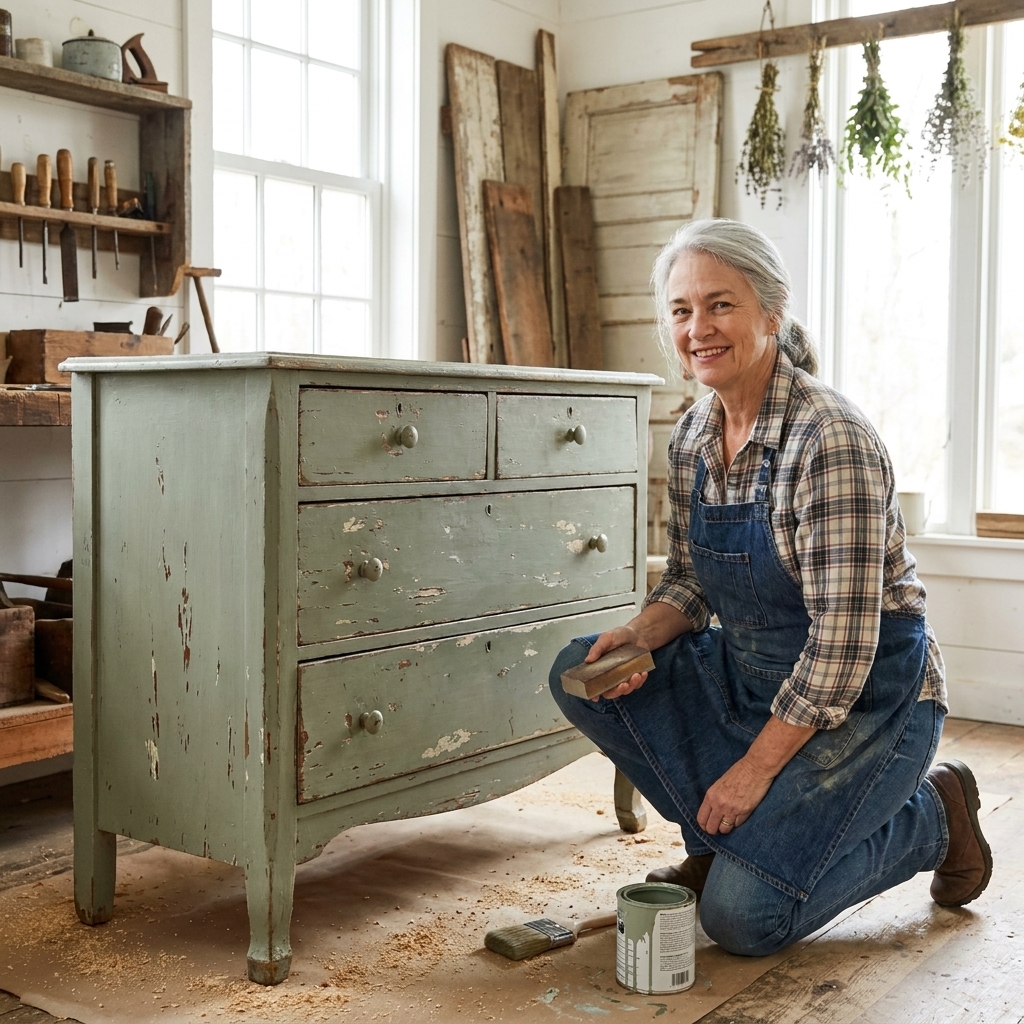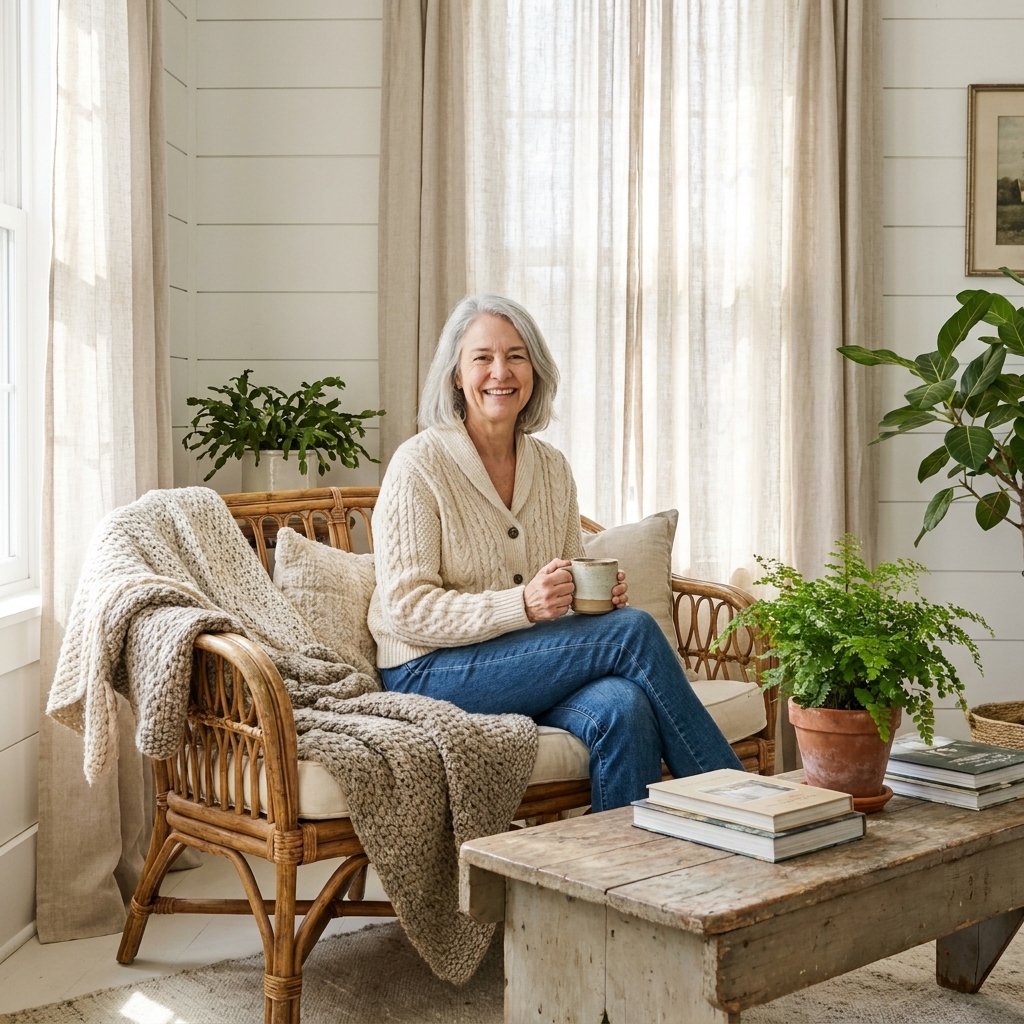
Some of my favorite living rooms started in the back corner of a thrift shop, the place with the wobbly end tables and the lonely basket wall. If you love cottage style, secondhand stores are basically a shortcut. You are not looking for perfect. You are looking for good bones, honest materials, and a shape that feels like it has a story to tell.
Below are ten thrift store flips that add instant cottage charm to a living room, plus what to look for, how to upcycle it without stress, and little styling tricks that make the finished piece feel like it has always belonged.
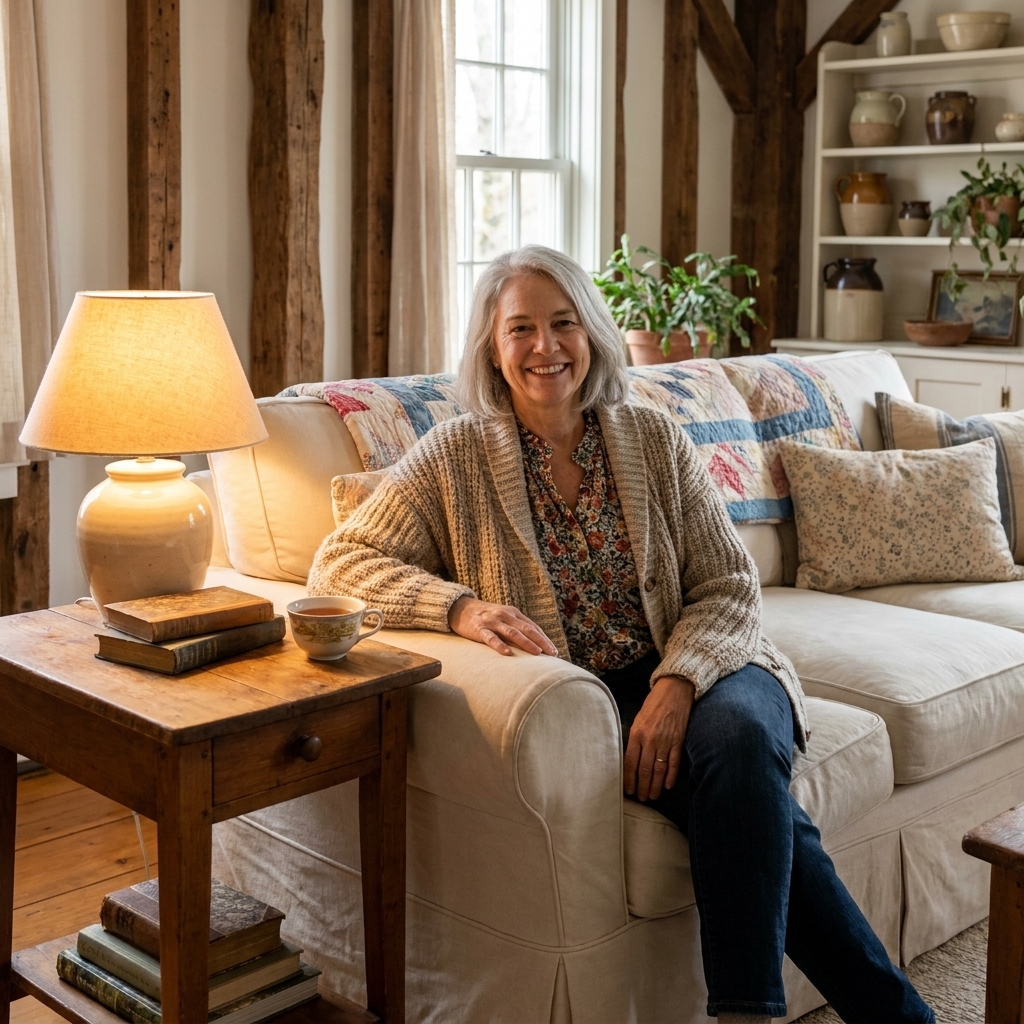
How to spot a good flip fast
Before we get to the projects, here is my quick thrift aisle checklist. It keeps you from bringing home a lemon and helps you spot the hidden gems.
- Pick up the piece. Solid wood and sturdy construction usually feel heavier. Particleboard often feels light and sounds hollow.
- Check for “fixable” damage. Scratches, ugly stain, and dated hardware are easy. Major water swelling, active woodworm, and cracked structural joints are harder.
- Look for real texture. Woven wicker, linen, wool, aged brass, and carved wood read cottage instantly.
- Ignore the color. Paint and stain are usually the easiest transformation you will ever do.
- Follow the silhouette. Curved legs, turned spindles, scalloped edges, and simple Shaker lines all play nicely with cottage and farmhouse.
One more note from someone who has hauled a lot of “projects” into a small cottage: if you cannot picture where it will live, leave it behind. A bargain is not a bargain if it becomes garage clutter.
Safety check before you buy
Not to ruin the thrifting high, but a 20-second inspection can save you so much hassle later.
- Lamps: Unplug before you touch anything. If a cord feels brittle, cracked, or suspiciously warm when plugged in, plan to rewire it or have it rewired. Avoid painting any sockets, switches, or plugs.
- Upholstery: Check seams, underside fabric, and crevices for pests or pepper-like spotting. If you see anything concerning, walk away. If you bring it home, vacuum thoroughly and let it air out before it comes into your living room.
- Older paint: If you are flipping vintage furniture, assume old finishes could contain lead. If you are sanding, use a mask, contain the dust, and clean up carefully, or choose a low-dust approach like cleaning, priming, and painting without heavy sanding.
- Cleaning: When in doubt, use a damp cloth, not a soaking wet one, and spot-test first. Water and harsh cleaners can damage unfinished wood, old labels, and some metals.
A simple supply kit
You do not need a workshop. A small tote of basics will handle most of these flips.
- Degreaser or gentle dish soap
- Microfiber rags and a soft scrub brush
- Sandpaper (120 and 220 grit)
- Primer for slick surfaces (especially metal and glossy finishes)
- Matte furniture paint and a small angled brush
- Clear topcoat or furniture wax
- Staple gun and staples (for stools and soft goods)
- Screwdriver set (because thrift store hardware never matches your life)
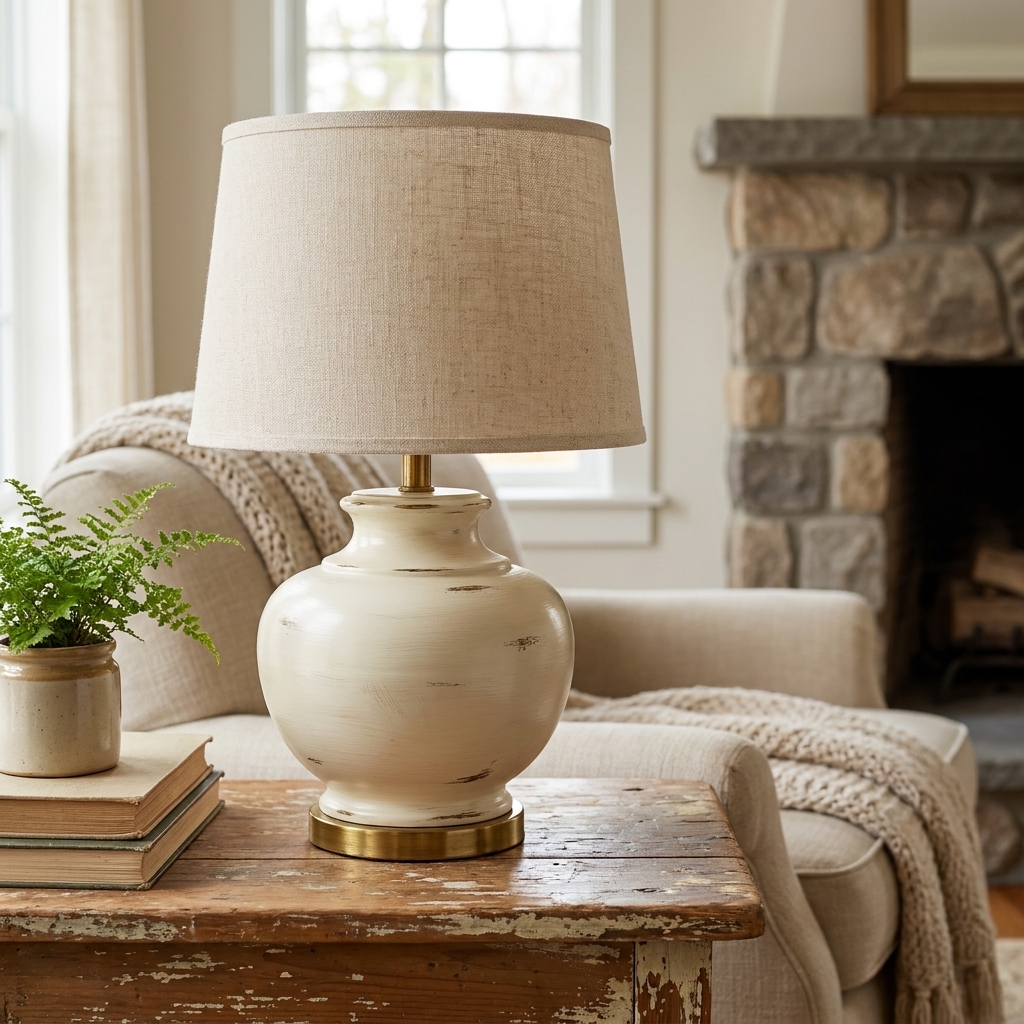
1) Brass lamp made cottagey
Thrift store lamps are my number one “instant charm” flip because lighting changes the whole mood of a room. That shiny brass lamp that feels a little too 1990s can become a warm, aged accent with one afternoon of work.
Time: 45 to 90 minutes, plus dry time.
What to look for
- A sturdy base with a pleasing shape
- A cord that is flexible and intact (no cracking)
- A shade size that will not look tiny next to your sofa (you can always replace it)
How to flip it
- Unplug it. Remove the shade and harp.
- Clean well with degreaser.
- Lightly scuff with fine sandpaper so paint grips.
- Paint the base in creamy white, warm putty, or dusty sage. If you love an aged-metal look, use a metallic wax (like Rub ’n Buff) on raised details.
- Do not paint sockets or switches. If anything looks unsafe, rewire it or have it rewired.
- Replace the shade with a linen drum shade or a soft bell shape.
Cottage styling tip: Put the lamp next to a stack of well-loved books and a small bowl for matches. It creates that lived-in, “we actually relax here” feeling.
2) Frame into gallery art
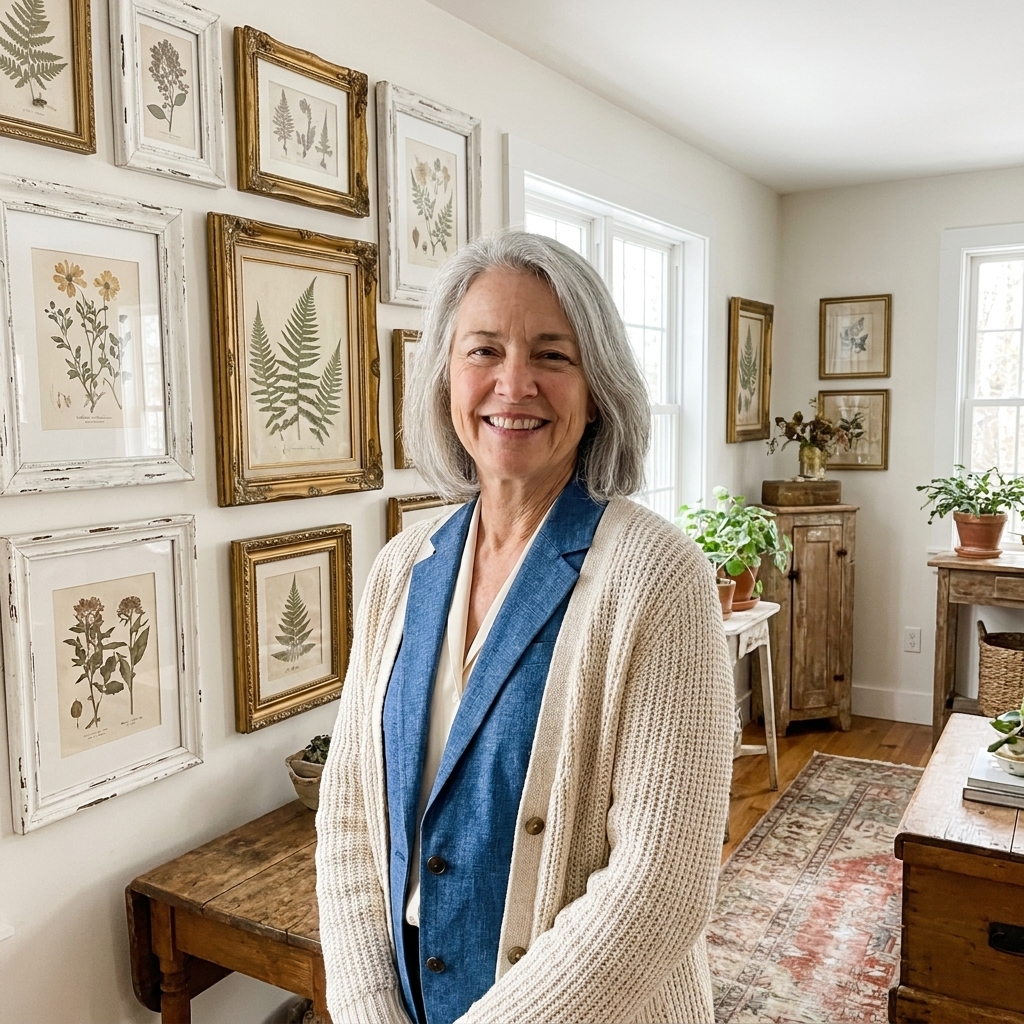
Frames are cottage gold. Even if the art inside is not your style, the frame itself can be the whole point.
Time: 20 to 60 minutes per frame.
What to look for
- Solid wood frames with depth and detail
- Gesso, carved edges, or slightly chipped paint
- Matting that can be replaced
How to flip it
- Keep patina if it is pretty. If it is orange-toned, wash it with a light tan glaze or paint it a soft, chalky tone.
- Swap in botanical prints, landscape sketches, or black-and-white family photos.
- Use a thrifted frame collection to build a gallery wall with mismatched sizes.
Cottage styling tip: Mix one or two gilded frames into mostly painted wood frames. That little glint of warm gold feels like history.
3) Basket wall storage
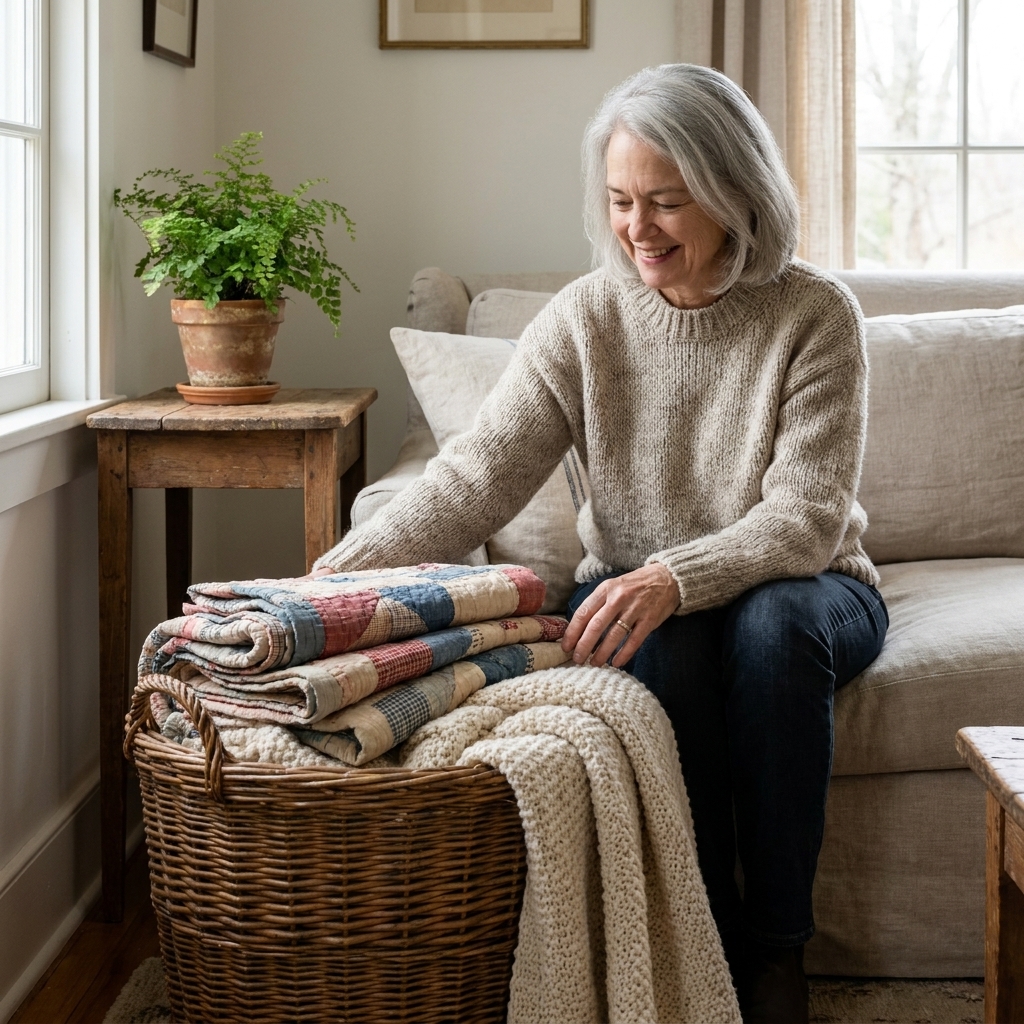
Baskets are the cottage version of a miracle. They hide remotes, corral throws, and soften a room with texture, all while looking like you tried harder than you did.
Time: 15 to 30 minutes.
What to look for
- Sturdy handles, tight weaving, no musty smell
- Shapes that fit shelves: rectangles and low, wide baskets
- Woven trays for coffee tables
How to flip it
- Vacuum and wipe with a damp cloth.
- For a gentle cottage look, dry brush the rim with a little white paint, then sand lightly.
- Line a basket with a thrifted linen napkin or grain sack towel.
Cottage styling tip: Keep one basket near the sofa as a “throw basket.” Fill it with two blankets in different textures, like a chunky knit and a faded quilt.
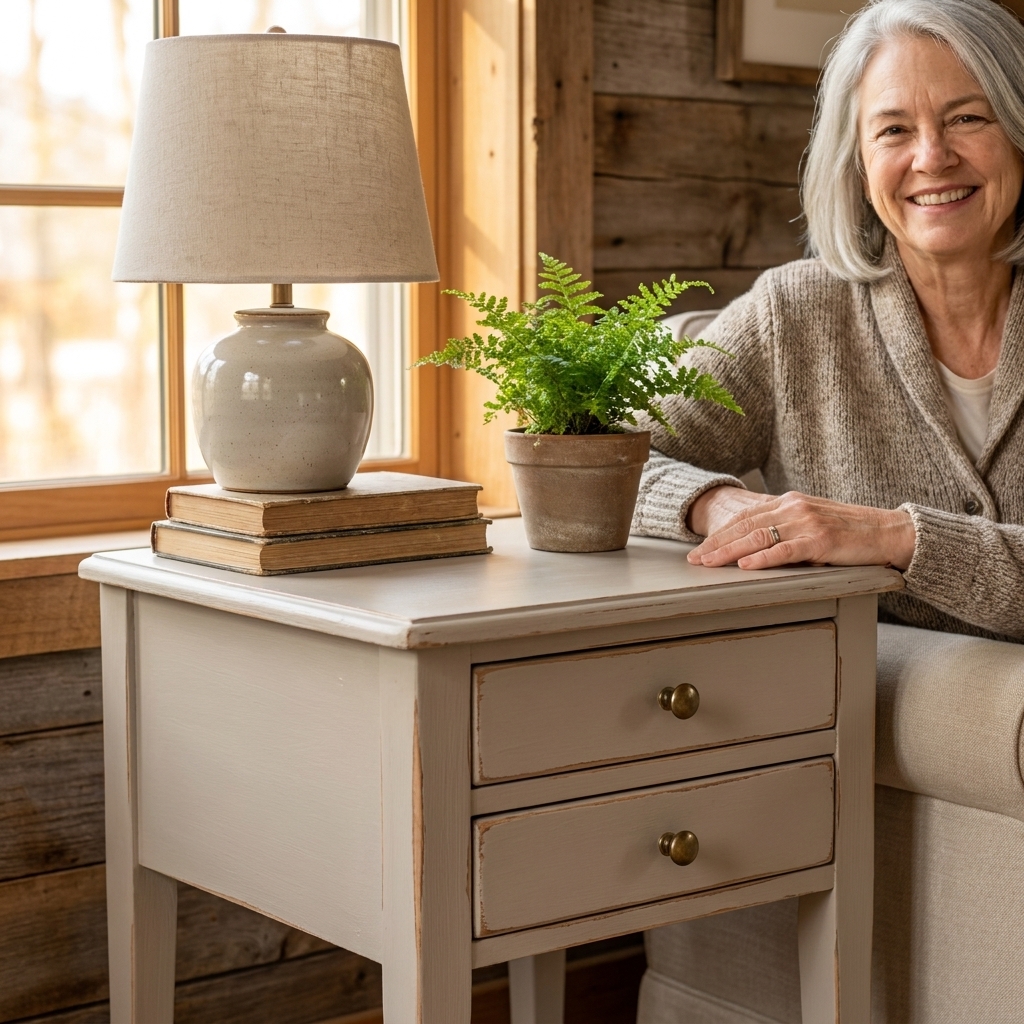
4) Side table, softer finish
If you want a living room to feel collected over time, add a little table with imperfect charm. Thrifted side tables are often undervalued because the finish is dated, not because the piece is bad.
Time: 1 to 2 hours, plus dry time.
What to look for
- Solid wood or veneer in good condition
- Turned legs, scalloped aprons, or simple farmhouse lines
- One drawer is a bonus
How to flip it
- Lightly sand to remove shine (or degloss if sanding is not your thing).
- Paint with a matte furniture paint in cream, mushroom, pale blue, or muted green.
- Age it gently by sanding edges where hands naturally touch.
- Seal with clear wax or a water-based topcoat.
Cottage styling tip: Swap hardware for antique brass or glass knobs. That tiny change makes it feel like a hand-me-down in the best way.
5) Mirror with warmer tone
A mirror bounces light around like nothing else. In a cottage living room, I love mirrors that feel a little timeworn, especially above a mantel or behind a sofa.
Time: 45 to 90 minutes, plus dry time.
What to look for
- Wood frames, carved frames, or anything with detail
- Minor nicks and wear that look charming, not compromised
- A good size, at least 24 inches wide for impact
How to flip it
- Clean glass thoroughly.
- Paint the frame a soft neutral, or darken raw wood with a walnut-toned stain for warmth.
- If the mirror has an overly glossy gold finish, tone it down with a thin brown glaze wash. Spot-test first.
Cottage styling tip: Hang the mirror a touch lower than you think. Cottage rooms feel cozy and grounded, not floaty.

6) Stool as extra seating
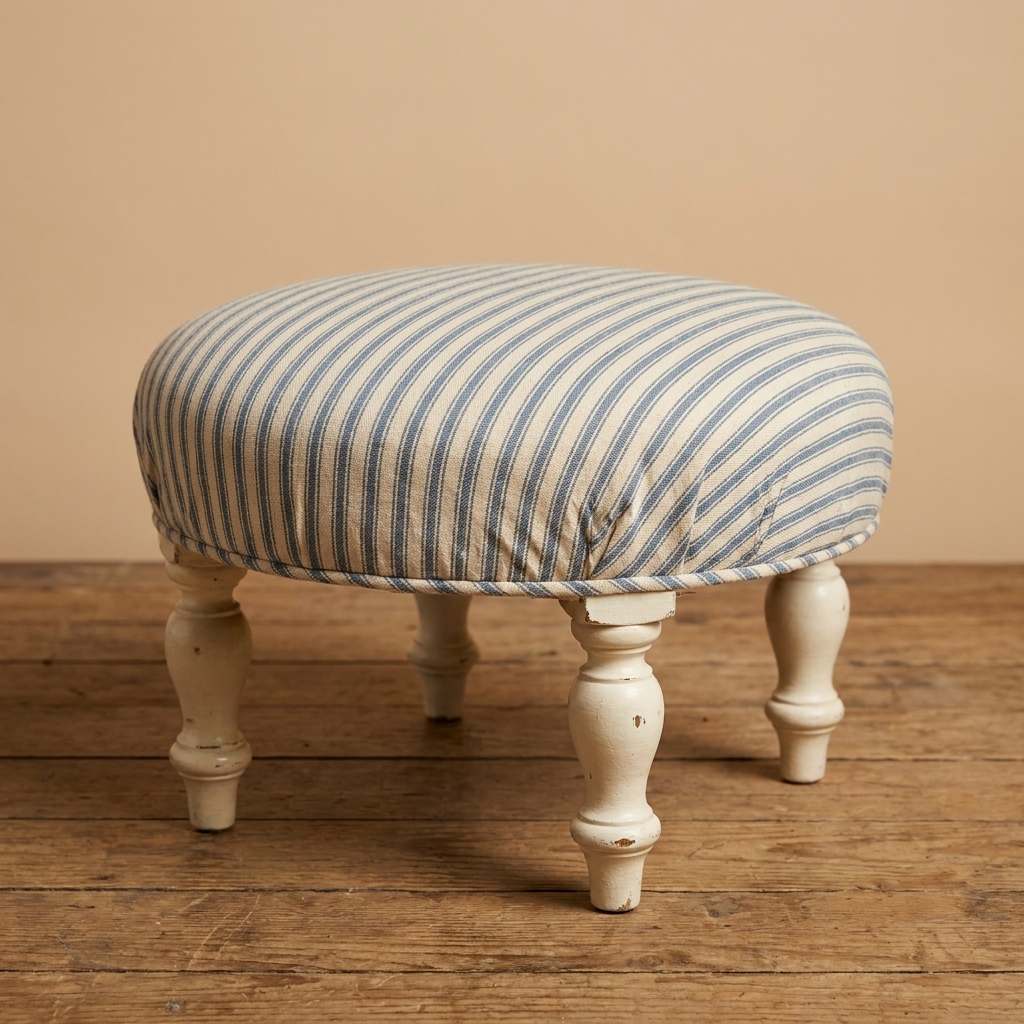
Little stools and footstools are often overlooked, and they are perfect for cottage living rooms where you want pieces that can move around easily.
Time: 1 to 2 hours.
What to look for
- Solid legs and a stable base
- A cleanable shape, no deep tufting that holds stains
- Good height to tuck under a console or coffee table
How to flip it
- Inspect carefully for odor or pests before it comes home. If it fails the sniff test, skip it.
- Remove old fabric if it is stained or dated.
- Add fresh batting if needed. If foam smells musty, replace it.
- Recover with linen, ticking stripe, or a small floral. Staple underneath and finish with upholstery tacks if you like that old-world look.
- Paint or stain legs to coordinate with your other woods.
Cottage styling tip: A tiny floral can feel fresh when the rest of your room is mostly solids. Think “garden out back,” not “grandma’s sofa from 1983.”
7) Crate into a tray
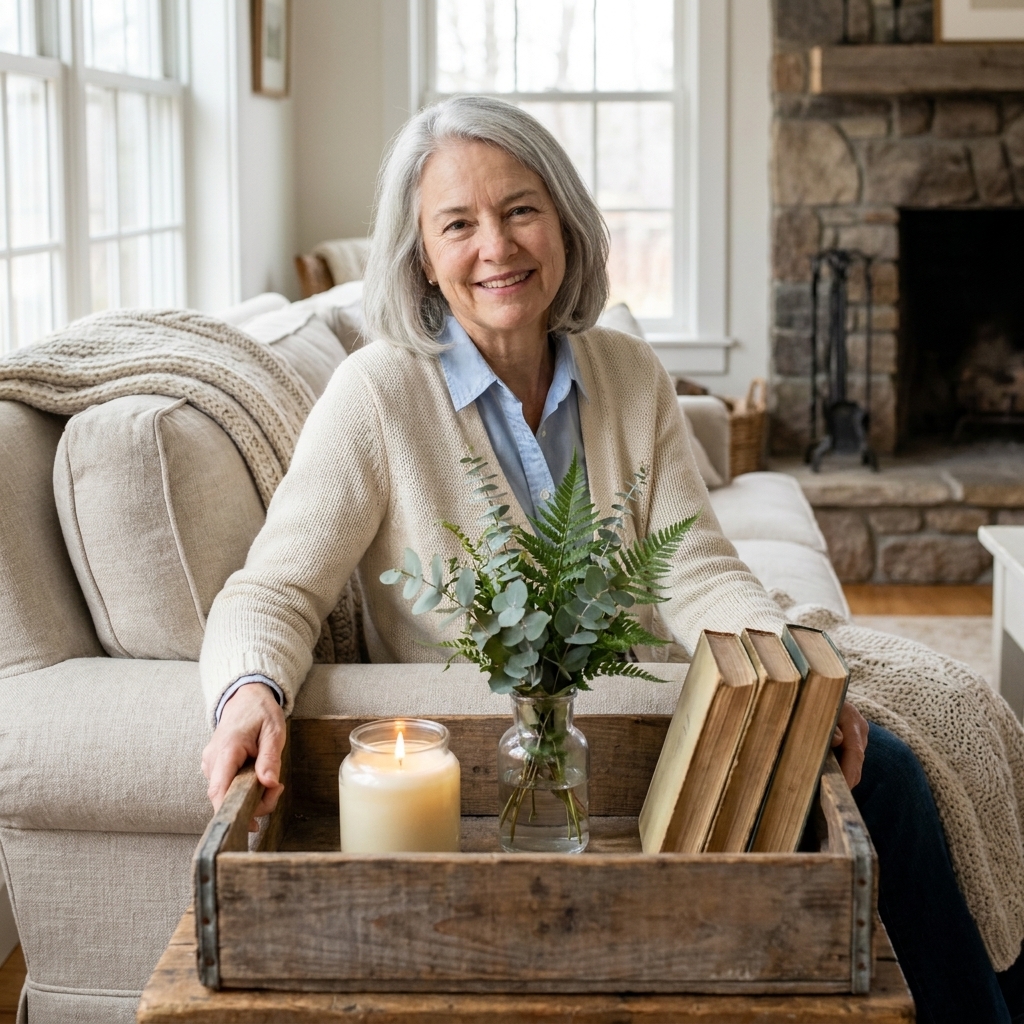
Not every living room needs a new coffee table. Sometimes all you need is a tray to corral the everyday mess and make it look intentional.
Time: 30 to 60 minutes.
What to look for
- Old wood crates, shallow boxes, or sturdy drawers
- Solid corners, no crumbling wood
- Interesting stamps or worn markings are a plus
How to flip it
- Clean and lightly sand splinters.
- Stain with a medium walnut or seal with clear matte poly to keep the raw look.
- Add small handles on the sides if it needs to be more functional.
Cottage styling tip: In your tray, layer something tall, something soft, and something personal. A candle, a small vase of clipped greenery, and a favorite book is my go-to trio.
8) Stoneware for soul
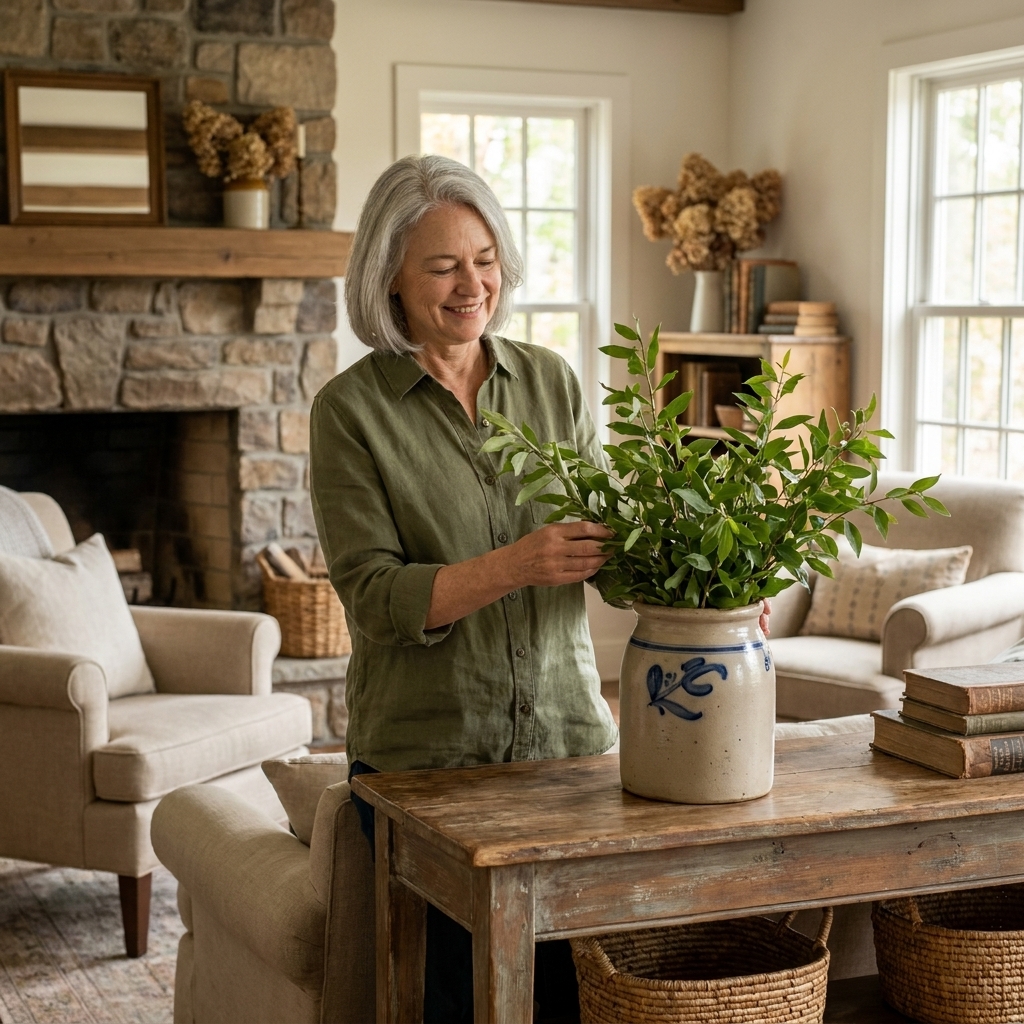
Thrifted stoneware is one of the easiest ways to bring cottage charm into a living room without doing a single DIY step. A crock, a pitcher, or a bowl adds that quiet farmhouse soul.
Time: 10 minutes.
What to look for
- Crocks, mixing bowls, pitchers, and ironstone-style pieces
- Hairline crazing is fine for decor, but skip anything with sharp cracks
- Soft whites, creamy beiges, and gentle gray-blue glazes
How to use it
- Use a crock as a vessel for dried stems or fresh branches.
- Stack bowls on open shelves for a collected look.
- Set a pitcher on a sideboard with seasonal stems.
Cottage styling tip: If you are not sure a vintage piece is food-safe, treat it as decorative only. Mix matte and glossy ceramics together for that cozy, real texture.
9) Old books as layers
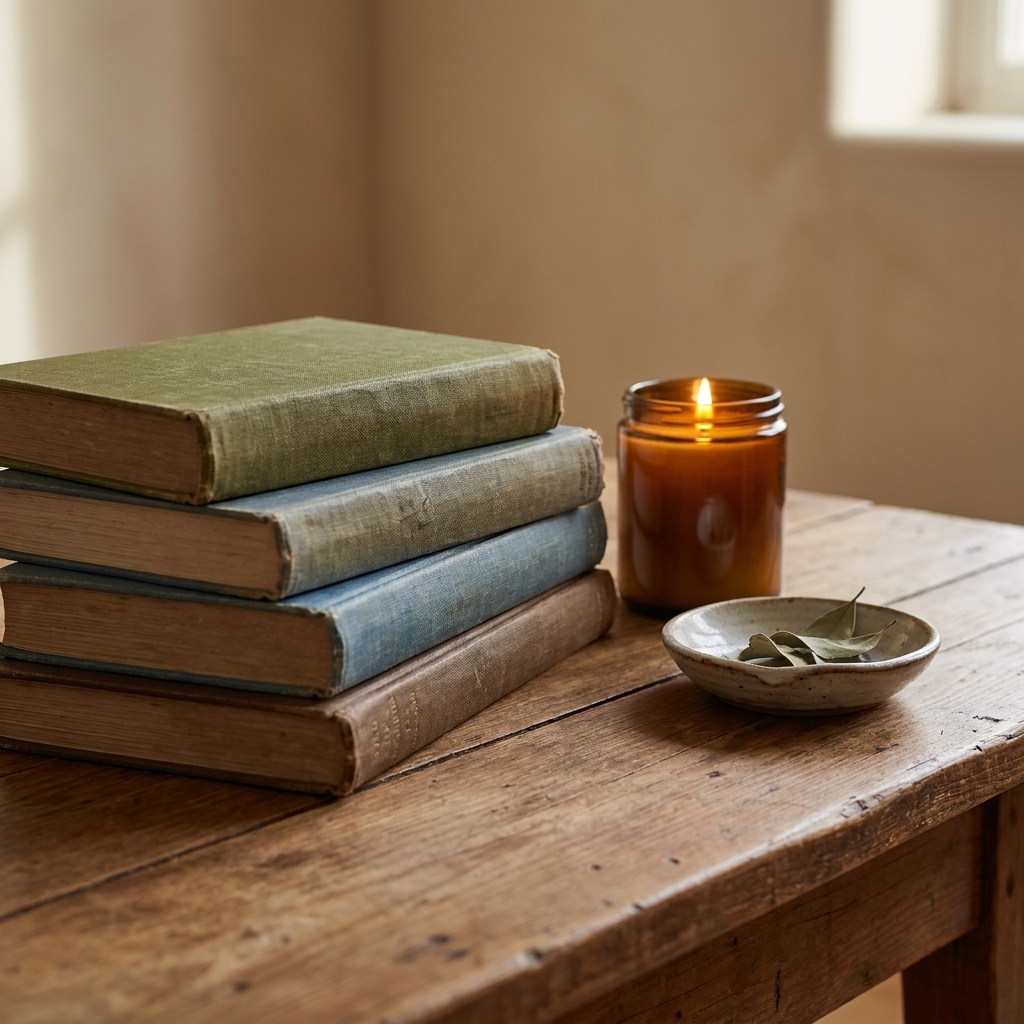
I know, books are not furniture. But they are one of the quickest ways to make a living room feel warm and storied, especially if your decor is leaning a little too new.
Time: 10 minutes.
What to look for
- Hardcovers with textured cloth covers
- Muted spines: tan, olive, navy, burgundy
- Cookbooks, gardening books, poetry, old atlases
How to style them
- Stack 2 to 4 on a coffee table and add a small object on top.
- Turn one spine-in and face-out a cover you love.
- Use a larger book as a riser for a lamp or plant.
Cottage styling tip: Choose books you actually enjoy. Cottage style is happiest when it is personal, not staged.
10) Curtains that feel relaxed
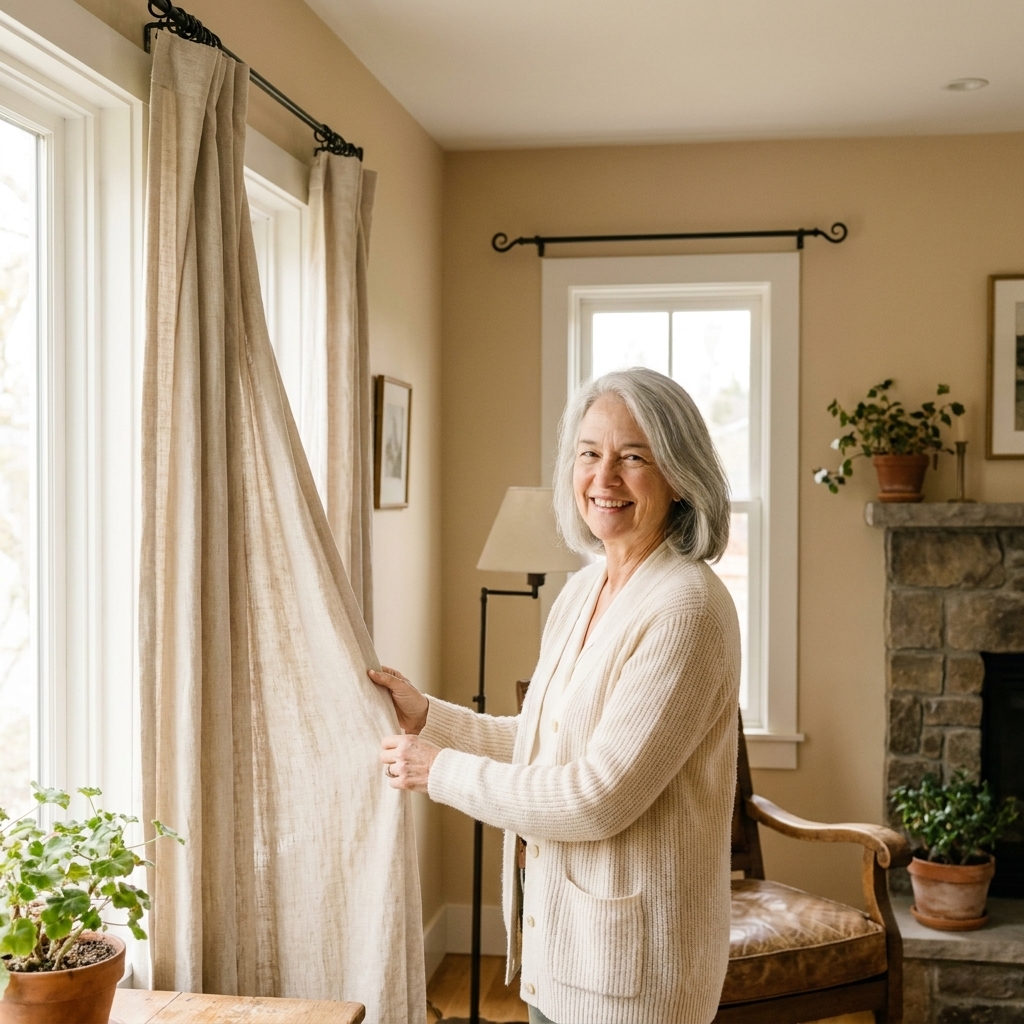
If your living room feels a bit bare, check the window treatment before you buy more decor. Thrift stores often have curtain panels that only need a little hemming or dye to look custom.
Time: 30 to 90 minutes.
What to look for
- Natural fabrics: cotton, linen, linen blends
- Longer than you need, since you can hem
- Simple textures, subtle stripes, or tiny florals
How to flip it
- Wash and dry to pre-shrink.
- Hem with iron-on tape if you do not sew.
- Swap clip rings for a pretty, relaxed drape, or use a simple rod pocket for softness.
Cottage styling tip: Hang your rod high and wide. It makes windows feel bigger and gives that airy, old-cottage elegance.
A cottage color palette
If you want your thrift flips to feel like a collection instead of a jumble, stick to a gentle palette and repeat it around the room.
- Base: warm whites, creamy ivories, oatmeal, soft putty
- Wood tones: honey oak, medium walnut, weathered pine
- Accent colors: dusty blue, muted sage, soft terracotta, faded navy
- Metals: aged brass, black iron, oil-rubbed bronze
When in doubt, choose one “hero” vintage piece, then keep everything else quietly supportive.
FAQ
What is the easiest thrift flip for a beginner?
A lamp makeover or a frame swap. Both are low commitment, and the impact is big. You can finish one in a single afternoon and learn a lot without needing power tools.
What furniture is usually not worth flipping?
Anything with severe water damage, crumbling particleboard, or a strong musty odor that will not wash out. Also be cautious with very cheap flat-pack pieces from decades ago. They can be tricky to refinish and not very sturdy long-term.
How do I clean thrifted items safely?
For hard surfaces, start with a gentle cleaner and a damp cloth, not a wet one, and spot-test first. Avoid soaking unfinished wood and be careful around old paper labels. For baskets, vacuum first then wipe lightly. For upholstered items, vacuum thoroughly and spot-clean. If you are sensitive to allergens, let pieces air out in a garage or sunny porch for a day or two before bringing them into your living room.
How do I make mismatched thrift finds feel cohesive?
Repeat a few things: one metal finish (like aged brass), one wood tone (like warm walnut), and one paint color (like creamy white). Then tie it together with textiles in similar tones, like a neutral rug and a couple of pillows that share the same muted palette.
One last nudge
Give yourself permission to start small. Pick one corner of your living room, maybe the spot by the sofa or the area under your window, and thrift for that zone only. Cottage style is not built in a weekend. It is layered slowly, the way real homes always are.
If you try one of these flips, I hope you get paint on your hands, find something wonderfully imperfect, and end up with a living room that feels a little more like you.