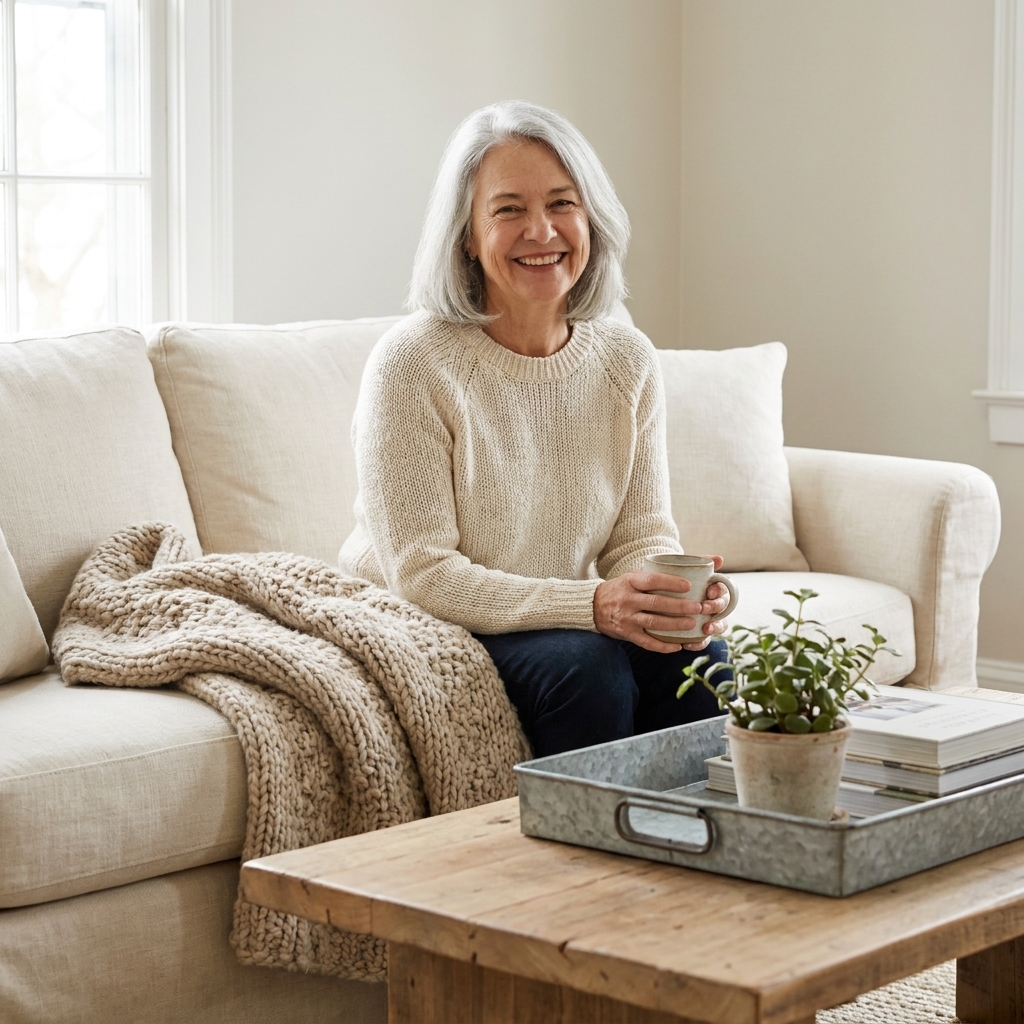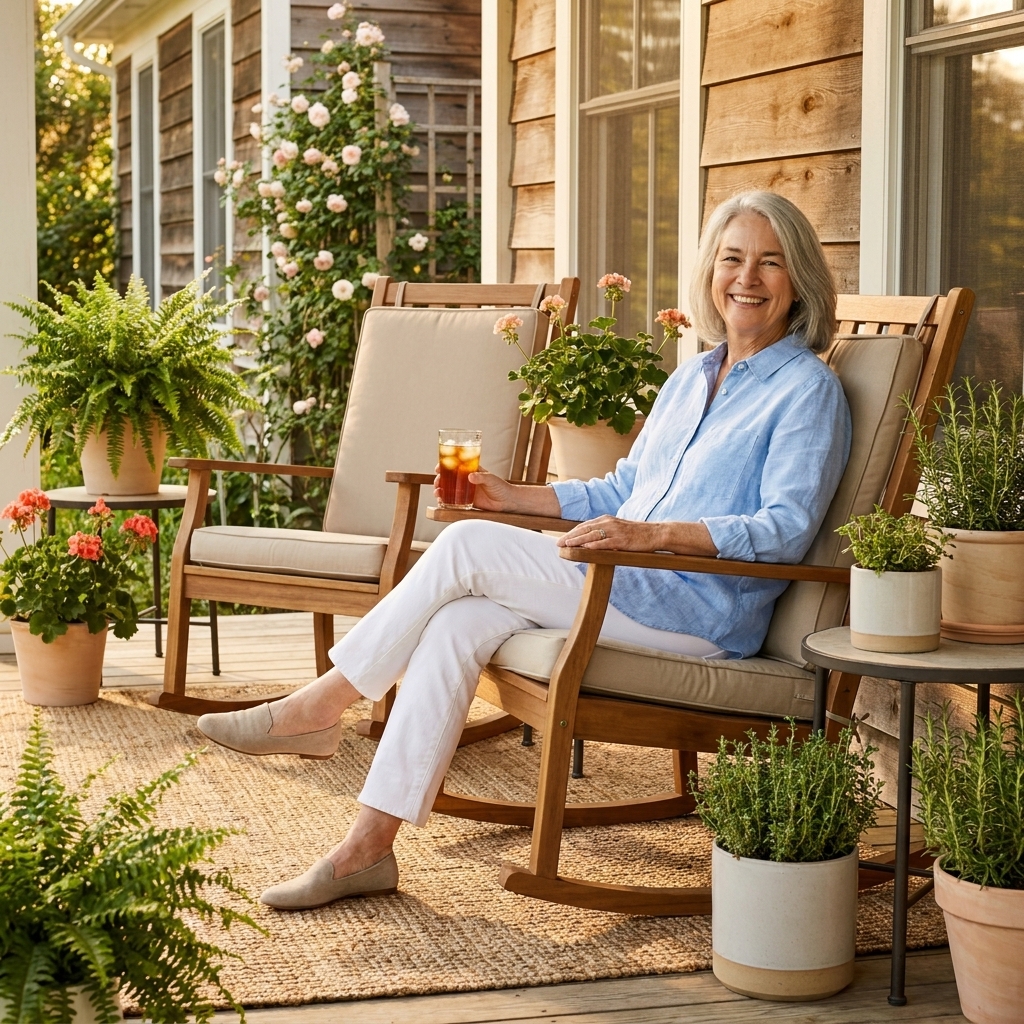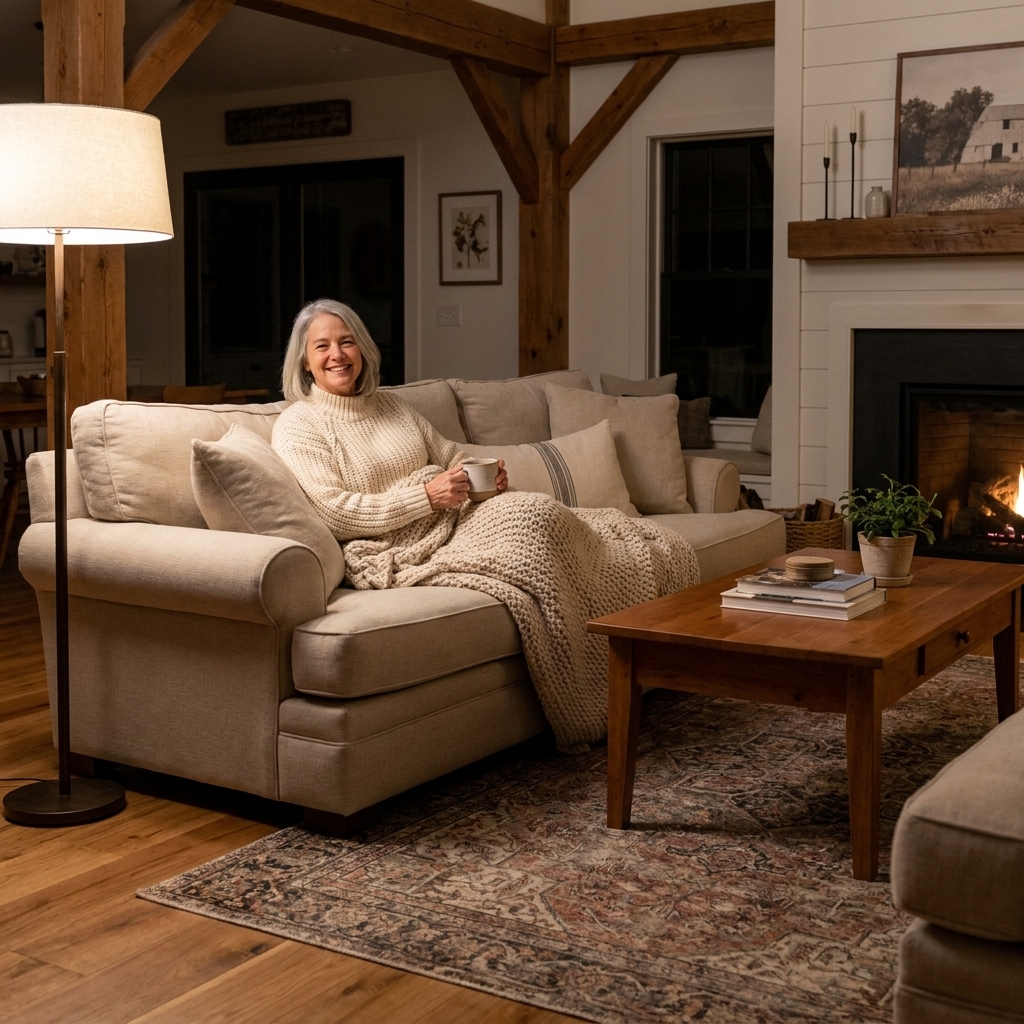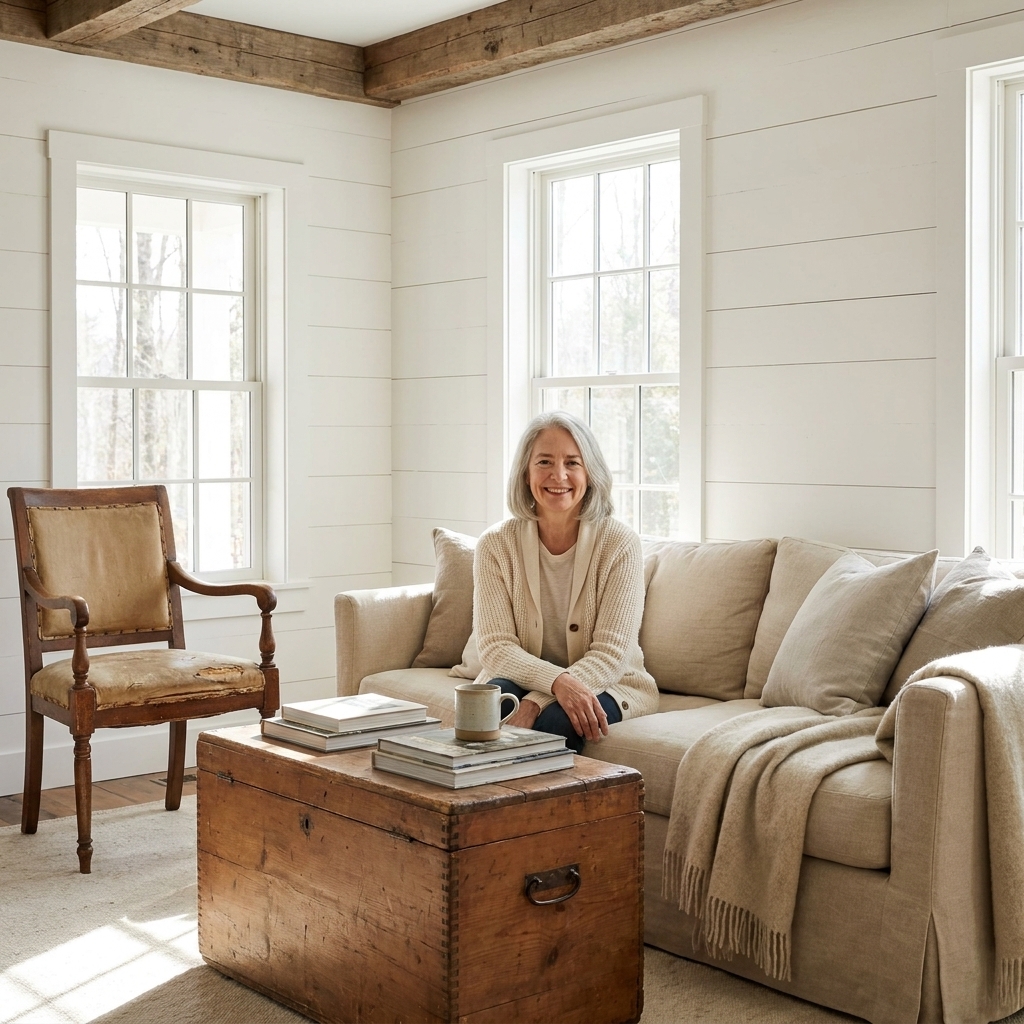
There is something about a sunroom that makes you exhale the second you step in. All that light, the view of the yard, the soft hum of “almost outdoors” comfort. The trick is making it feel intentional, not like a catch-all space where extra chairs go to retire.
When I style a farmhouse sunroom or enclosed porch, I always start with three anchors: honest, weathered furniture, textiles that make you want to linger, and plants placed like they live there. Let’s walk through it together, coffee in hand.
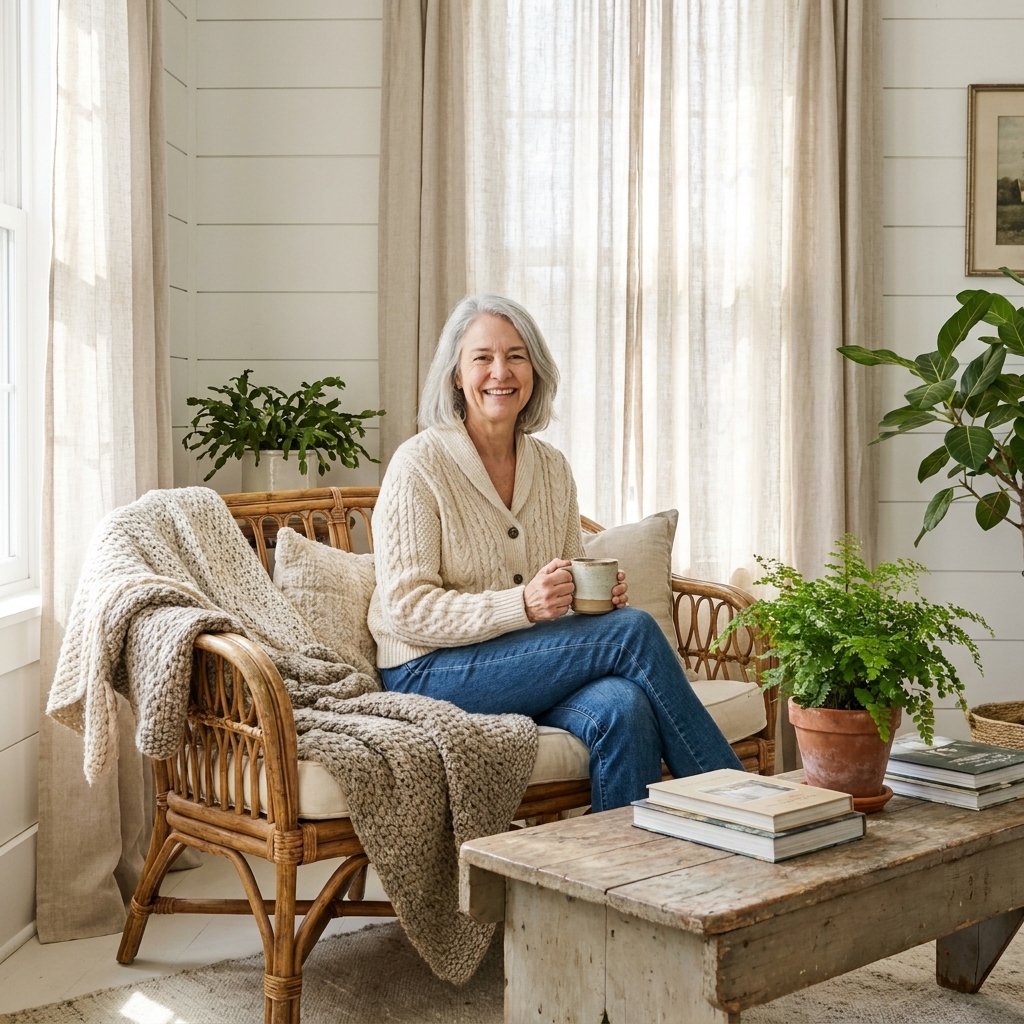
Start with the room’s purpose
Before you buy a single throw pillow, decide what your sunroom is for. Most welcoming sunrooms fall into one of these rhythms:
- Morning coffee nook: two comfy chairs, a small table, and a lamp for early hours.
- Reading room: a deep seat with an ottoman, a side table, and a place to stash books.
- Family hangout: a small sofa plus extra pull-up seating that can handle feet and snacks.
- Plant room: fewer upholstered pieces, more open floor, and sturdy surfaces for watering days.
Once you name the purpose, every choice gets easier. You stop overfurnishing, and the room starts to breathe.
Farmhouse furniture that stays relaxed
Farmhouse style in a sunroom should look easy and sun-kissed, not precious. This is a room where a little wear looks right. If you are thrifting or shopping secondhand, you are already halfway there.
Rustic pieces that work
- Wicker or rattan seating: classic porch texture, lightweight, and it visually keeps the room airy.
- Wood bench: perfect under windows, great for extra guests, and easy to style with cushions.
- Weathered coffee table: old pine, oak, or even a painted piece with rub-through adds instant history.
- Metal and wood bistro set: especially sweet in smaller sunrooms where a sofa would feel bulky.
- Rocking chair or glider: that gentle motion is pure comfort, and it signals farmhouse right away.
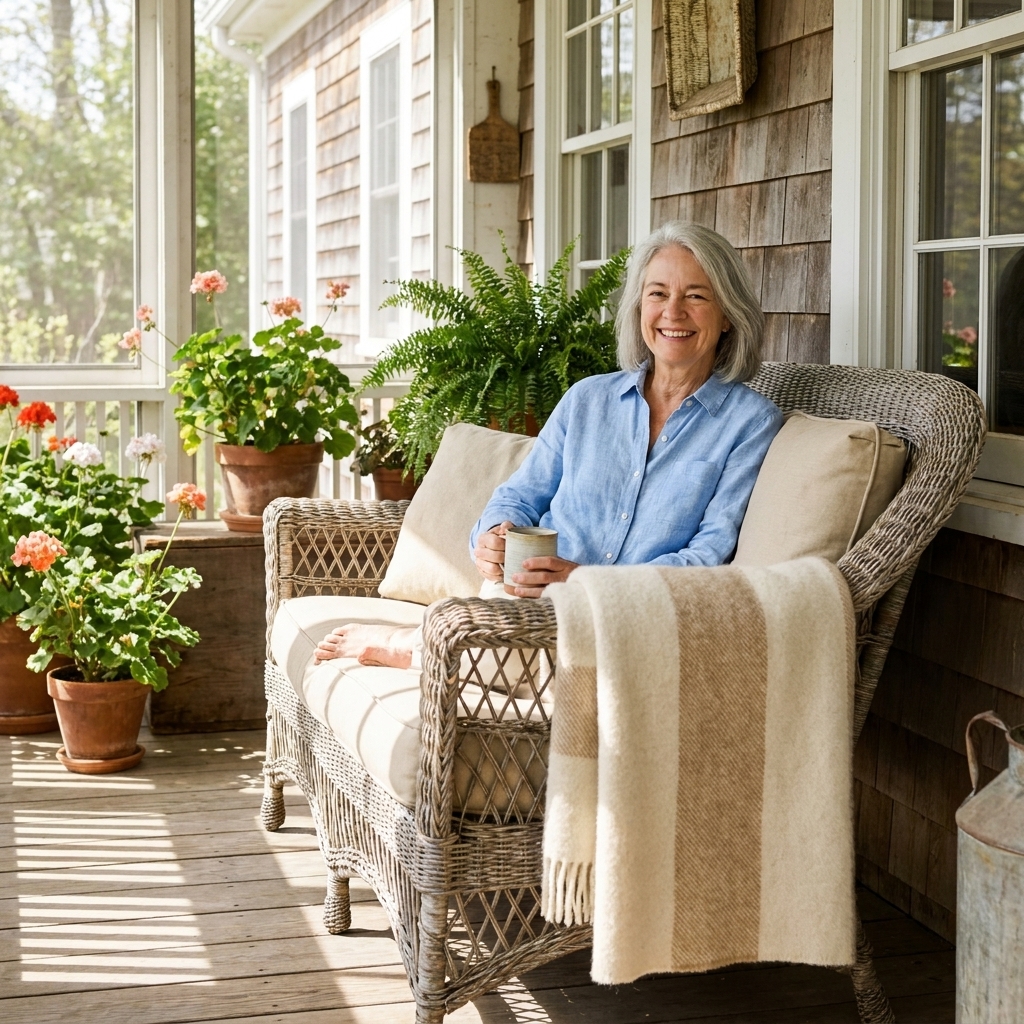
Materials to prioritize
Sunrooms are bright, and brightness is not always kind to delicate finishes. Look for materials that age well and clean up easily:
- Solid wood over veneer when possible.
- Painted finishes you can touch up easily, like creamy white, warm greige, or muted sage.
- Performance fabrics or slipcovers if your sunroom gets heavy use, pets, or snack traffic.
- Natural fibers like jute, seagrass, cotton, and linen for that porch-y feel.
A simple layout that works
If you are unsure where to begin, here is a layout I come back to again and again:
- Place a sofa or loveseat along the longest wall.
- Float a coffee table in front, keeping about 16 to 18 inches between seat and table, or up to 20 inches if you need more walk-by space.
- Add one accent chair angled toward the sofa to create conversation.
- Ground everything with a rug large enough that at least the front legs of seating sit on it.
And a farmhouse truth I learned the hard way: leave a clear path to the door. Nothing ruins porch peace like having to shimmy sideways past a chair.
Textiles that say “stay awhile”
Textiles are where the comfort comes from. In a sunroom, you want layers that feel soft and substantial, but still fresh.
Rug first
A rug tells your furniture where to live. For farmhouse style, I love:
- Flatweave cotton rugs for easy cleaning and a casual look.
- Jute or jute blends for texture, especially with white walls and warm wood.
- Vintage-look washable rugs if you have muddy shoes, kids, or a dog who believes every room is a mudroom.
If your sunroom gets strong sun, rotate your rug if you can so it fades more evenly.
If your sunroom has tile, brick, painted concrete, or any floor that tends to feel cold, add a non-slip rug pad rated for your flooring. If the space runs humid, choose one that is moisture-safe so you are not trapping dampness underneath.
Throws that get used
I keep two kinds of throws in a sunroom:
- A chunky knit or nubby woven throw for that inviting drape-over-the-arm look.
- A lighter cotton throw for warmer months when you want coverage without heat.
Colors that always read farmhouse: oatmeal, warm ivory, tobacco, denim blue, muted sage, and faded charcoal. Think sun-washed, not stark.
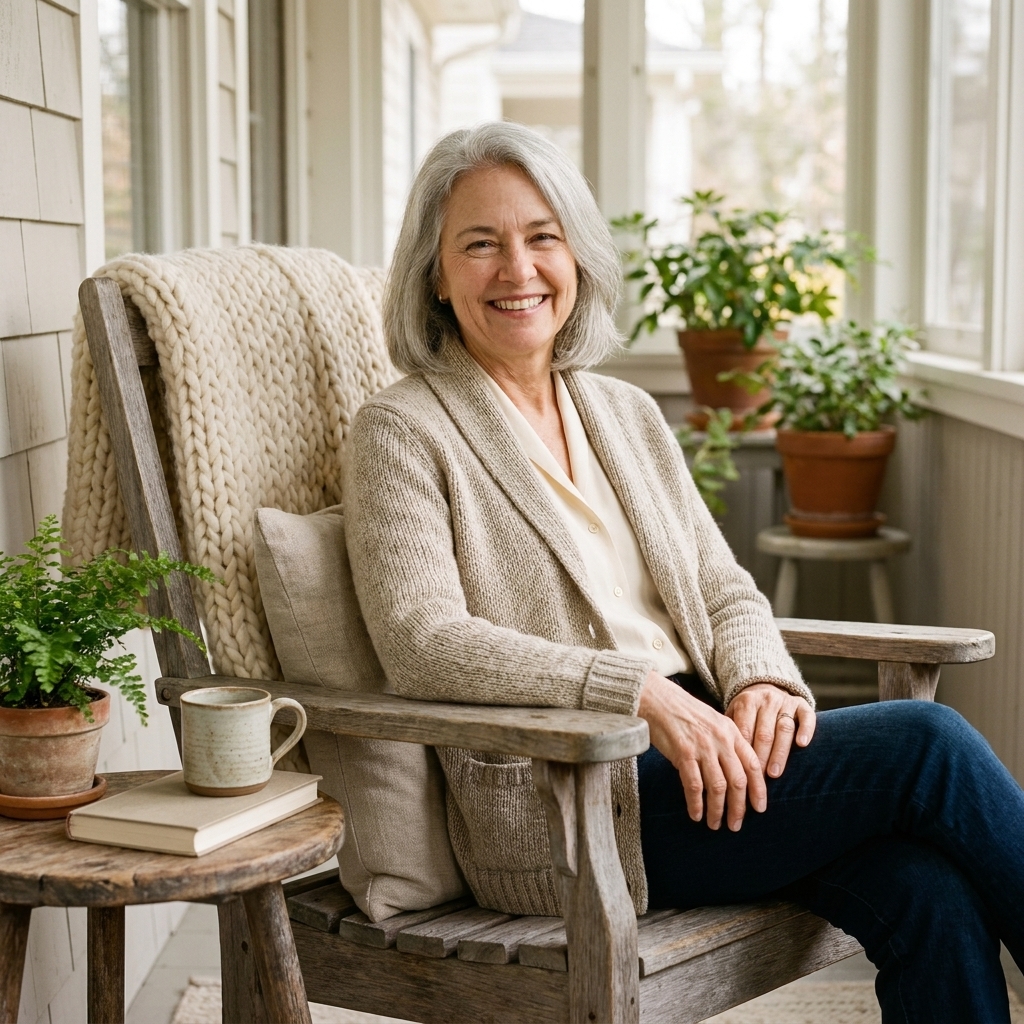
Pillows: mix patterns like a quilt stack
My favorite formula is simple and forgiving:
- One solid (linen or canvas in a warm neutral)
- One stripe (ticking stripe is a farmhouse classic, but any soft stripe works)
- One small-scale pattern (gingham, tiny floral, or block print)
Keep the palette tight, and let the texture do the talking. A little fray on the edge or a slightly faded fabric is a bonus here.
Curtains that soften the light
If your sunroom has bare windows, curtains instantly make it feel finished. For farmhouse style, aim for:
- Unlined or lightly lined linen panels for a breezy look.
- Soft white or warm cream rather than icy bright white.
- Roman shades in woven wood if you want texture and a clean line.
Hang panels high and wide so your windows look bigger, and you can pull curtains fully off the glass when you want maximum sunshine.
If you are battling serious glare or noticeable fading, consider solar shades or UV-filtering window film. It is an optional upgrade, but it can buy you years on rugs and upholstery.
Plants that feel natural, not cluttered
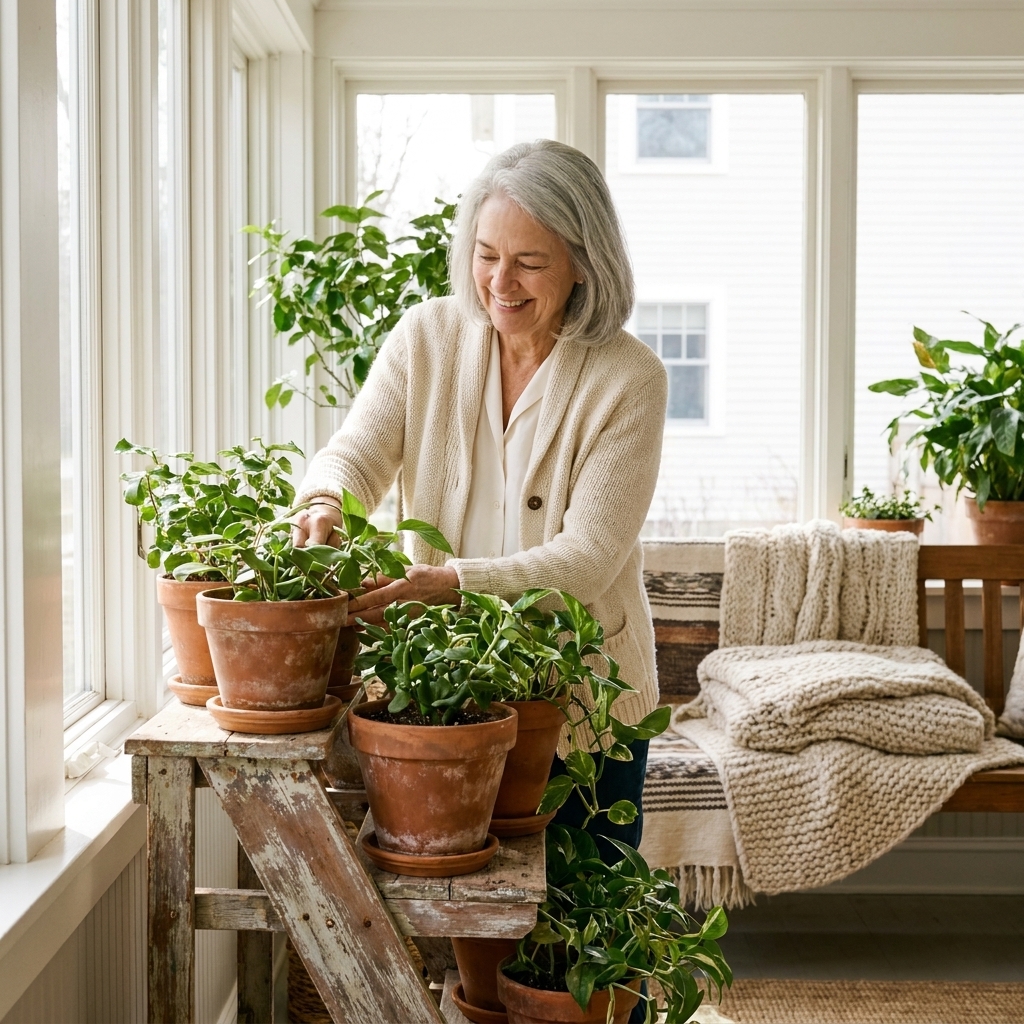
A farmhouse sunroom and plants are best friends. The key is giving them a “grown here” feeling, instead of scattering pots like you are playing plant bingo.
Style in three levels
I like to style plants in three levels so the room feels full but balanced:
- Floor level: one or two larger plants to anchor corners.
- Mid level: a few tabletop plants on a console, side table, or plant stand.
- High level: one hanging plant or a plant on a taller shelf to draw the eye up.
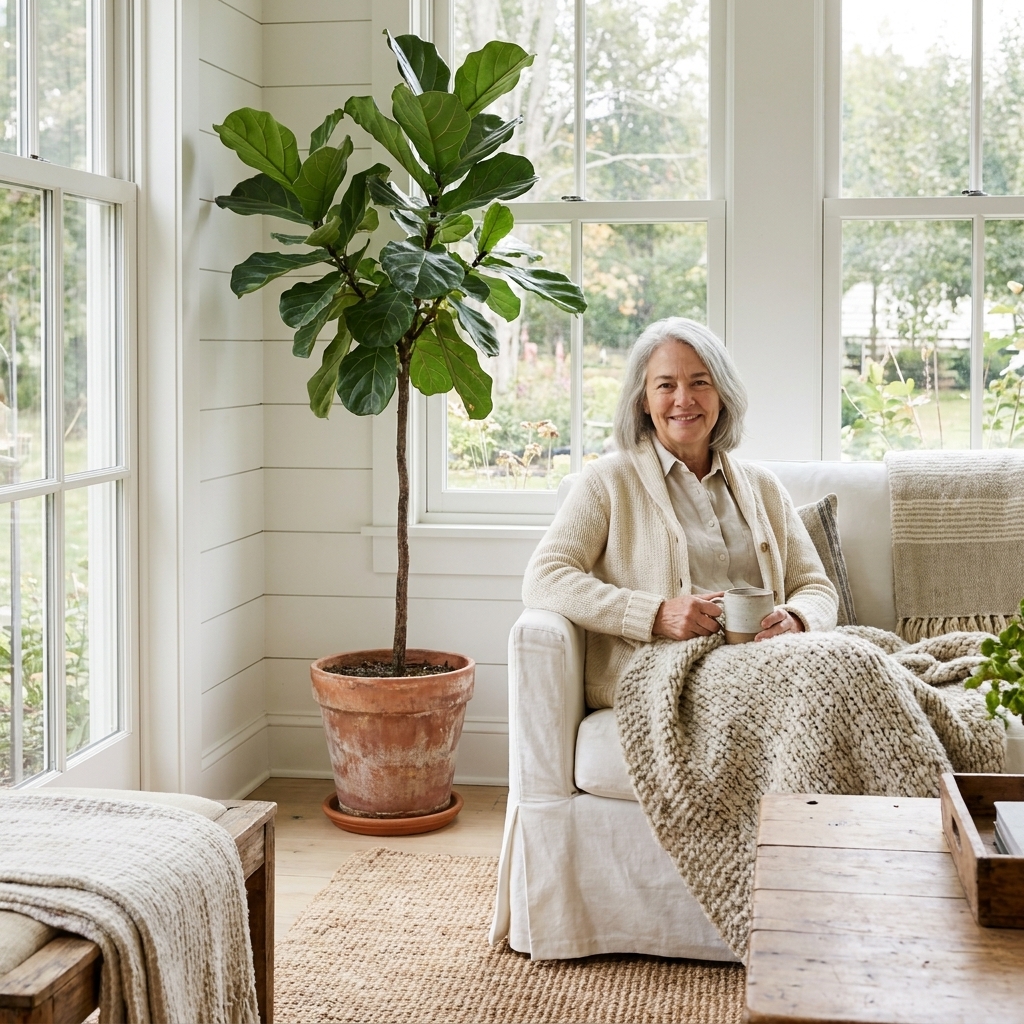
Where plants look intentional
- In bright corners: A tall plant like a fiddle leaf fig, rubber tree, or a faux olive tree softens sharp angles.
- Near seating: A trailing pothos or heartleaf philodendron on a side table makes the room feel alive and relaxed.
- By the door: A sturdy plant on the “entry” side of the sunroom creates a welcoming moment.
- Along a window wall: A bench with a couple of plants at one end looks curated, not crowded.
A quick reality check on olives: a real olive tree can be gorgeous indoors, but it needs a sunroom with truly bright light and steady care. If your space is more bright-indirect than full sun, a rubber plant is usually a happier bet.
Easy plants for enclosed porches
Light and temperature swings vary a lot from one sunroom to the next, so choose plants that forgive you. These tend to tolerate medium and lower light, but they will look their best in bright, indirect light:
- Pothos: tolerant and fast-growing in good light.
- Snake plant: great for busy weeks and darker corners, but grows faster in brighter spots.
- ZZ plant: glossy, sturdy, and slow-growing.
- Rubber plant: loves bright light; if it gets too dim or too drafty, it may drop leaves.
- Geraniums or herbs (seasonal): a farmhouse classic if your sunroom gets lots of sun and you like a little “kitchen garden” vibe.
If your sunroom gets chilly in winter, pull plants away from glass at night. Even a few inches can help prevent cold stress. And if the room runs humid (or you water a lot), a little airflow goes a long way toward keeping mildew at bay.
Pots that fit farmhouse style
I keep pots simple and earthy so the greenery shines:
- Terracotta (it patinas beautifully over time)
- Galvanized buckets with a plastic liner
- Stoneware crocks and vintage-inspired planters
- Woven baskets (hide a nursery pot inside for easy watering)
Finishing touches without the clutter
This is where your sunroom starts to feel like a real room, not a porch with furniture.
- Lighting: Add a table lamp with a warm bulb. Overhead light alone can feel harsh at night.
- A tray on the coffee table: corral remotes, matches, and a candle so the surface stays calm.
- A basket for throws: practical and pretty, especially in a family space.
- Something old: a vintage dough bowl, a thrifted lantern, an old garden caddy. One meaningful piece adds soul.
- One piece of wall decor: if your sunroom has solid wall space, a simple landscape print or an old window frame warms it up.
When in doubt, edit. Comfort is not about filling every corner. It is about giving the room enough softness and story that you want to linger.
Small vs. large sunrooms
- Small sunroom: choose armless chairs, a petite loveseat, and benches that can tuck under windows. Keep side tables slim.
- Large sunroom: float furniture away from the walls, go larger on the rug, and create two zones (like seating plus a plant or card-table corner) so it does not feel like a waiting room.
A quick checklist
- Choose a purpose: coffee, reading, family, or plants
- Anchor with one main seating piece and one accent seat
- Add a rug large enough to “hold” the furniture (plus a good pad if needed)
- Layer throws and pillows in warm neutrals and simple patterns
- Place plants in levels: floor, mid, and high
- Finish with warm lighting and one or two vintage accents
FAQ
How do I make a sunroom cozy in winter?
Add warmth in layers: a thicker rug or rug pad, chunky throws, and at least one upholstered piece. Swap in heavier pillow covers like canvas or wool blends, and use a warm bulb in a table lamp. If drafts are an issue, woven shades plus curtains help more than you would think.
What is the best furniture for a sunroom with lots of sun?
Go with materials that handle light well: rattan, wood, metal, and slipcovered upholstery. Avoid placing precious antiques in direct sunlight all day, and rotate cushions so they wear and fade more evenly. If fading is a constant battle, solar shades or UV-filtering film can help.
How many plants are too many in a sunroom?
If you cannot comfortably water without moving half the room around, it is too many. I would rather see a few healthy, well-placed plants than a crowd of stressed ones. Grouping plants into two or three “moments” looks fuller and more intentional than scattering pots everywhere.