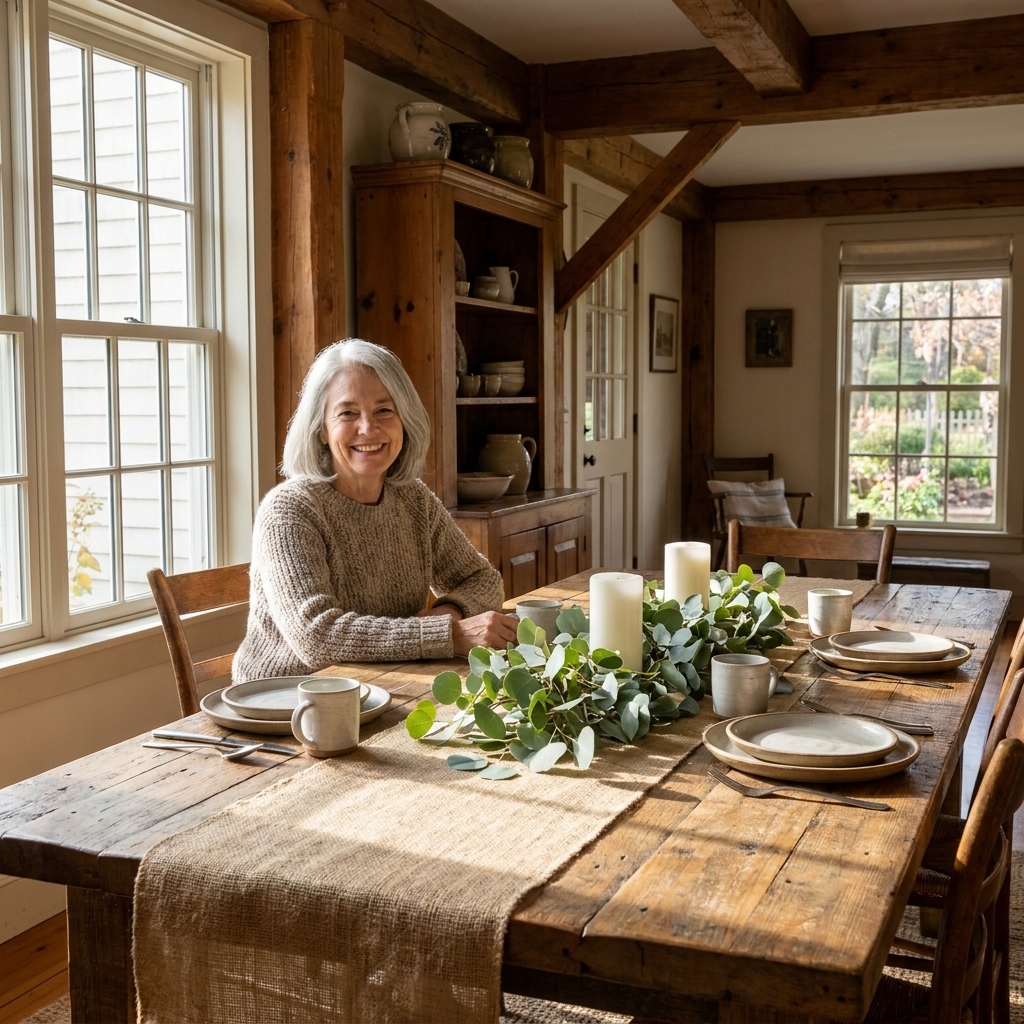
There is something quietly grounding about a reclaimed wood dining table. The dents, the saw marks, the softened edges from a former life, it all tells a story before you ever set a plate down. But if you live in your home (and I hope you do), the dining table has to do more than look pretty. It needs to survive homework, rushed breakfasts, mail piles, and that one friend who always sets a sweating glass down without a coaster.
These are my go-to, real-life ways to keep a reclaimed wood table feeling elevated every day, without turning it into a do not touch zone.
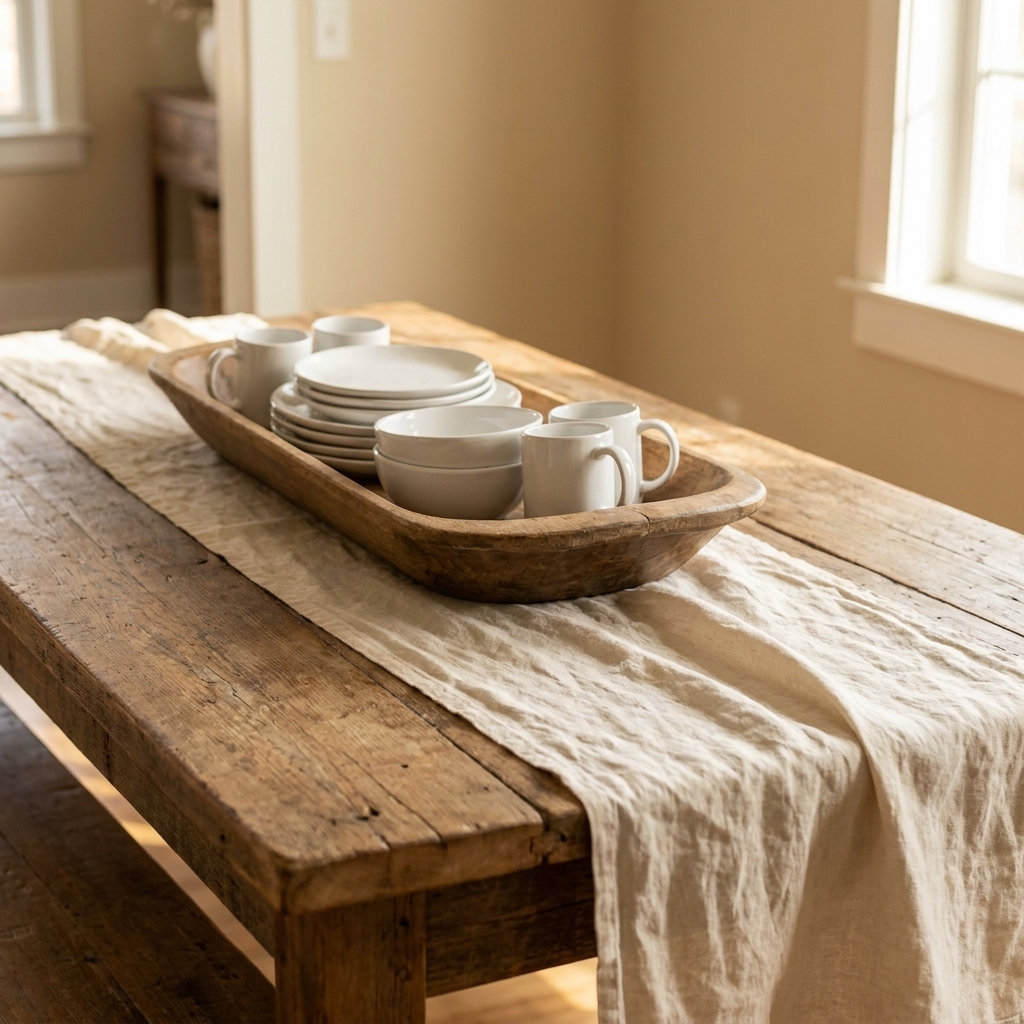
1) Start with a runner
A reclaimed top is already rich with texture, so the trick is adding something that calms the surface rather than competing with it. A runner creates a visual pathway down the table, keeps things from feeling cluttered, and gives you an easy base layer that makes everything you set on top look intentional.
My favorite runner choices
- Vintage linen: softly wrinkled, breathable, never too formal.
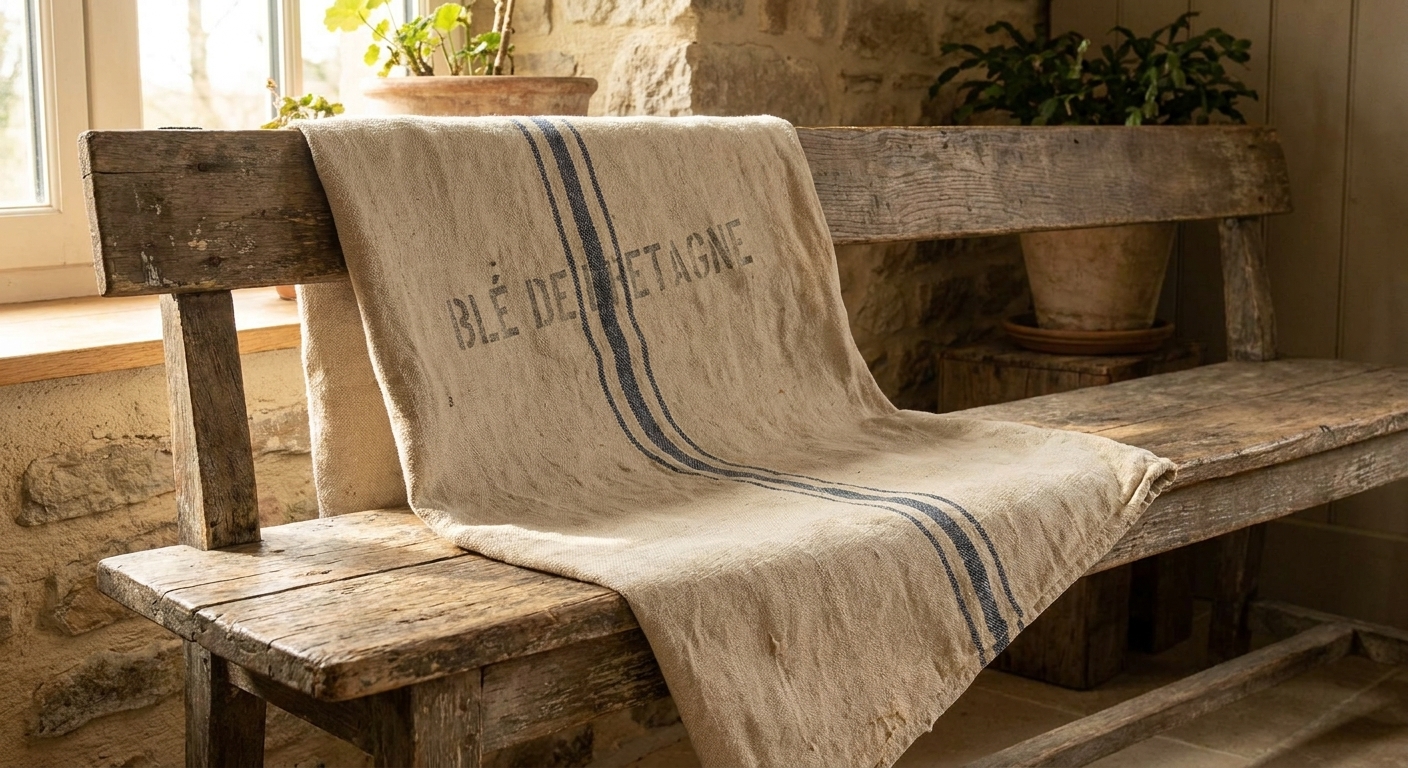
- Grain sack stripes: classic and hides everyday crumbs better than you would think.
- Handwoven cotton: adds nubby texture without the scratchiness of some jutes.
Little styling tip: Let the ends drape just a bit (about 6 to 10 inches). Too long starts to feel fussy for everyday, and too short looks like an afterthought.
2) Use a dough bowl
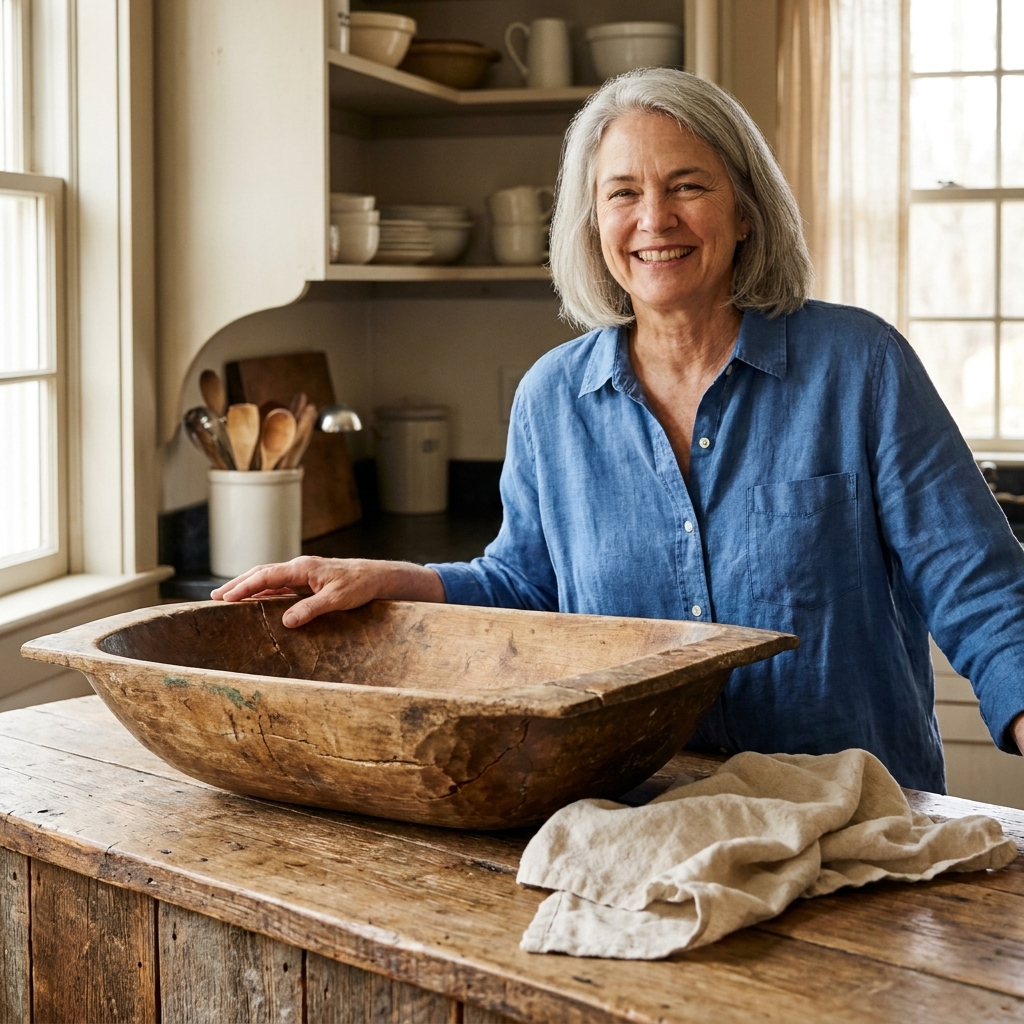
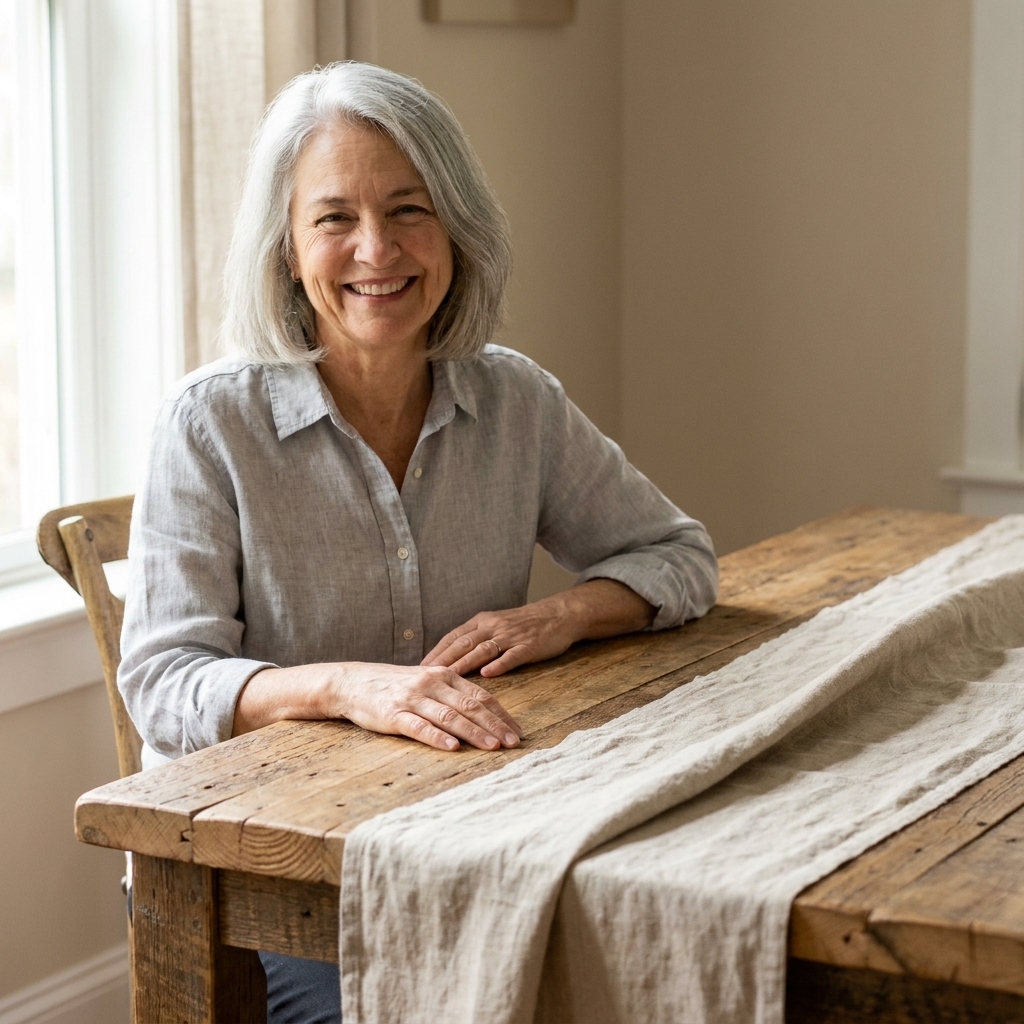
If I could only keep one styling piece on a dining table, it would be a wooden dough bowl. It's low, sturdy, kid-friendly, and it looks right at home on reclaimed wood because the materials speak the same language.
The secret is to treat it like a shallow tray. It corrals the little things, so your table reads styled even when life gets busy.
Easy dough bowl fills
- A small stack of cloth napkins plus a beeswax candle
- Seasonal fruit (lemons, pears, green apples)
- Found branches or clipped herbs in short bud vases tucked inside
- A mix of natural elements (pinecones, walnuts, dried orange slices)
Keep it usable: Choose a bowl no wider than one-third the table width so you can still set platters down comfortably.
3) Add one tall piece
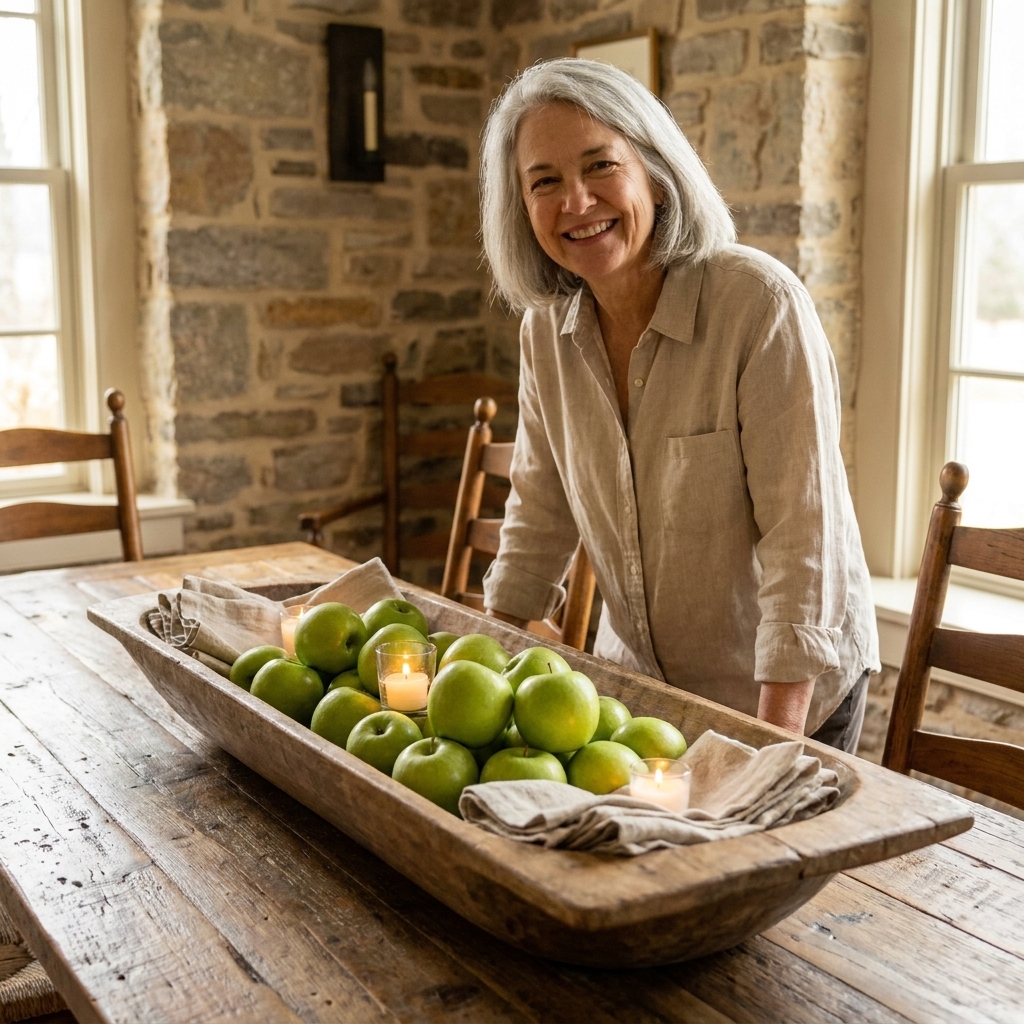
On a reclaimed table, too many tall items can start to look like a flea market shelf rather than a place to eat. I like one taller piece that adds lift, then I keep everything else low.
Great one-and-done vessels
- Stoneware pitcher with eucalyptus or olive stems
- Clear glass bottle with whatever is blooming outside
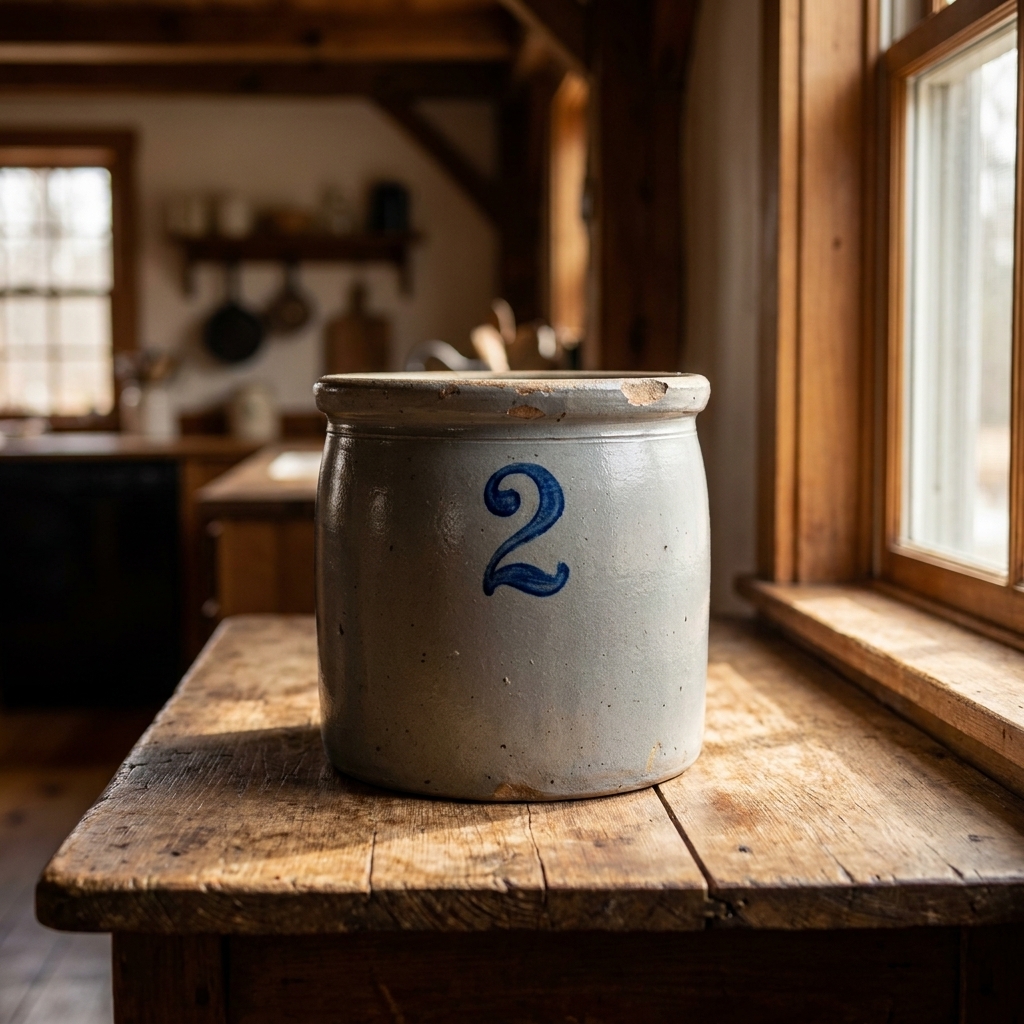
- Vintage crock with feathery greens
Rule I live by: If you cannot see the person across from you, it is too tall for everyday dining.
4) Add a soft glow
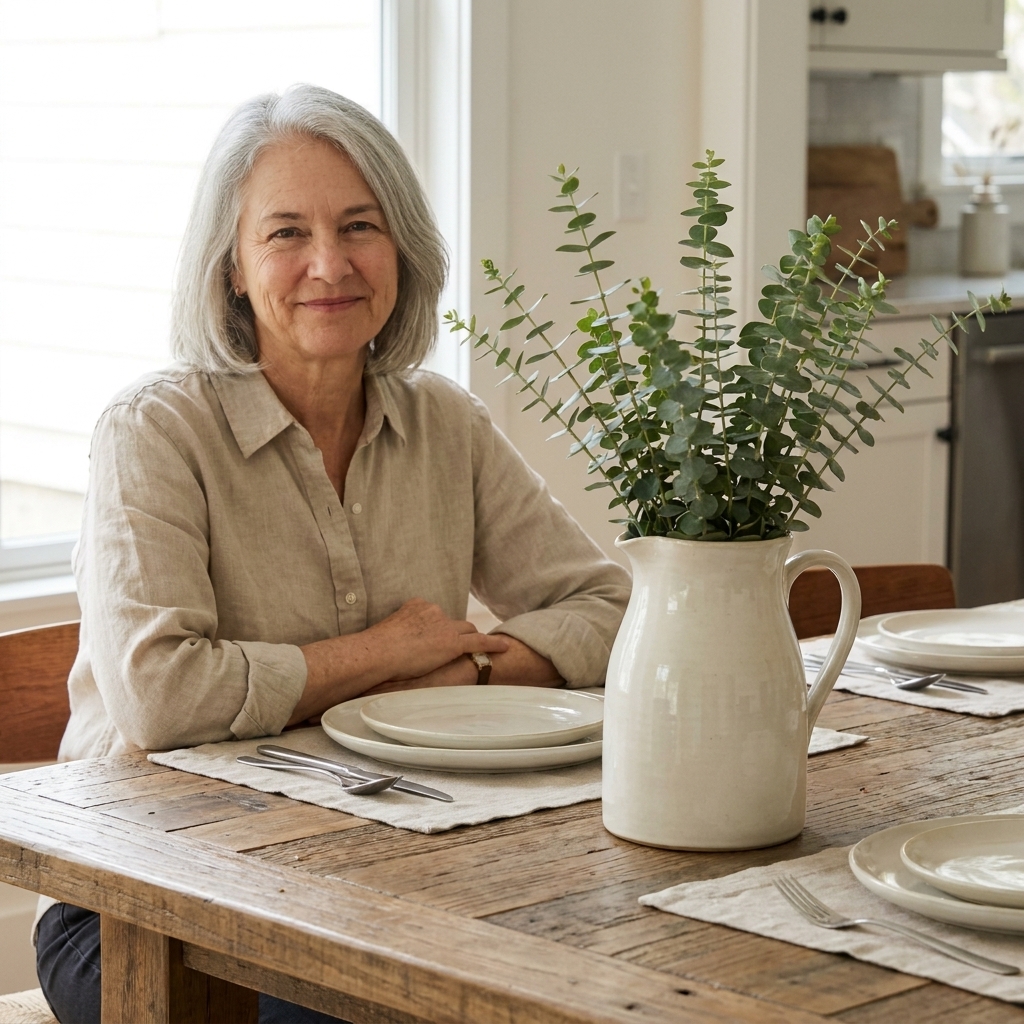
Reclaimed wood can read a little heavy if everything on it is matte. A touch of glow makes the whole scene feel softer and more elegant, especially at dinner when the overhead lights are harsh.
Candle options that feel unfussy
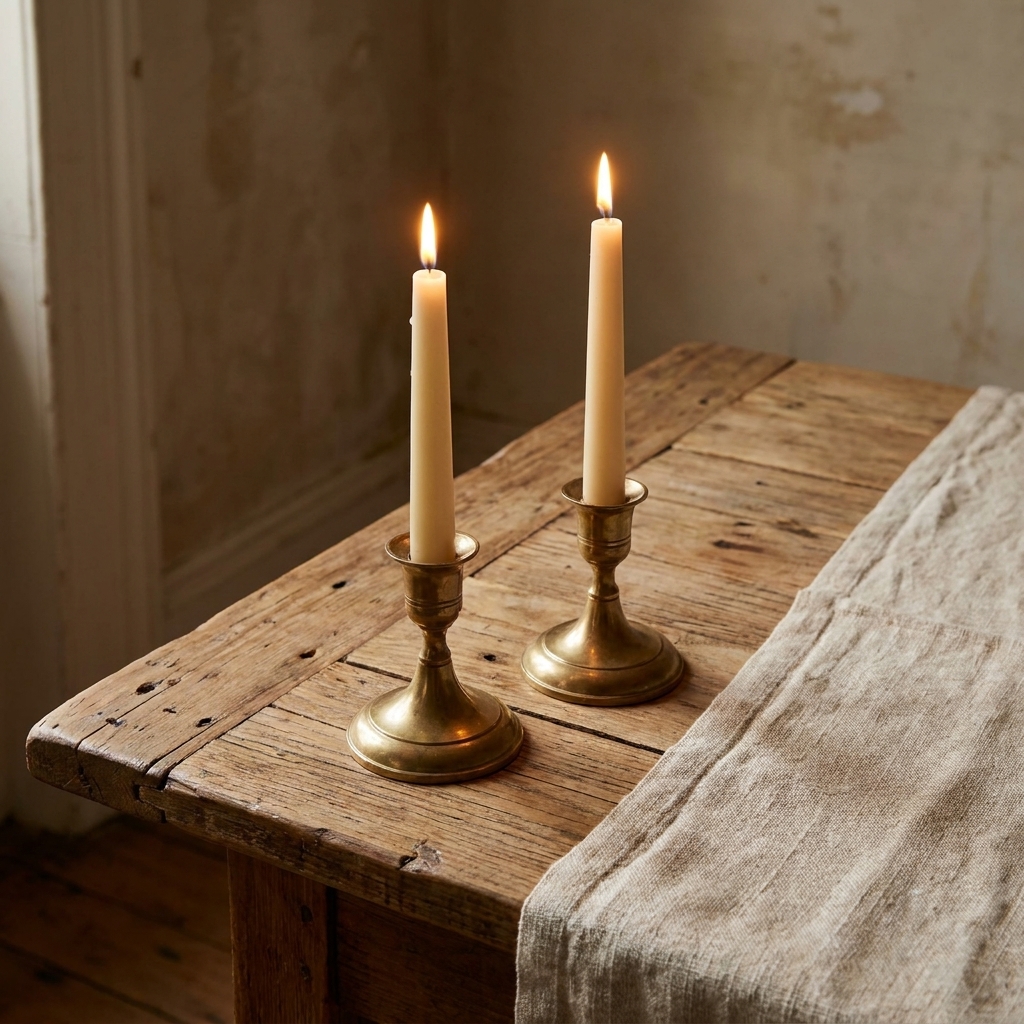
- Beeswax tapers in simple brass holders
- One chunky pillar on a small wooden riser
- A pair of votives in thrifted glass
Everyday safety tip: If you have kids, pets, or a drafty dining room, choose enclosed votives or flameless pillars and keep the real flame for calmer evenings.
5) Keep a tray handy
Some days you need your table clear in thirty seconds. That is where a tray earns its keep. You can scoop everything up, set it on the counter, and the table is ready for pizza night or a puzzle.
Tray styles that suit reclaimed wood
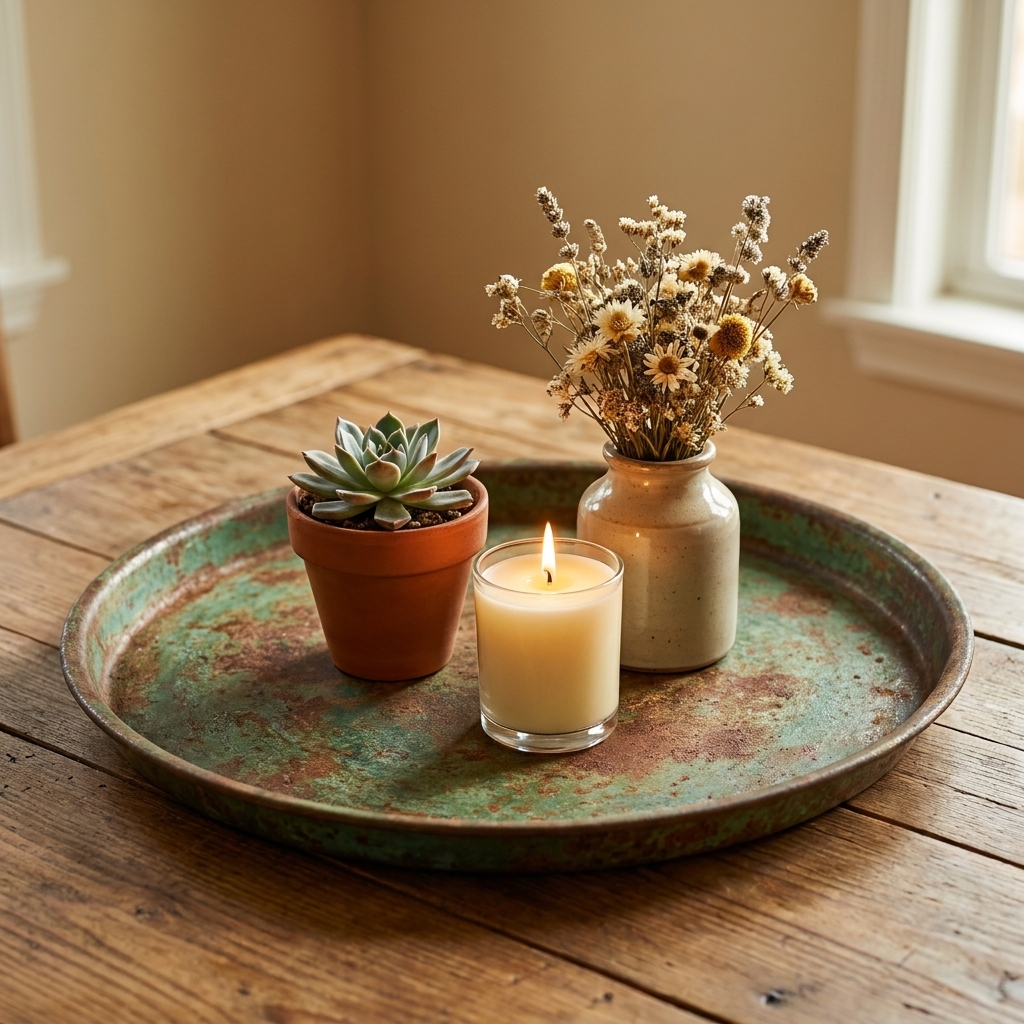
- Vintage metal with a worn patina
- Weathered wooden tray with simple handles
- Marble or enamel tray to brighten darker tabletops
On the tray, keep it to three items: something living, something tall, something cozy.
6) Do casual place settings
If you love that always company-ready look, you do not have to fully set the table. A few simple pieces create the feeling of welcome without making you feel like you are living in a catalog.
A relaxed everyday setting
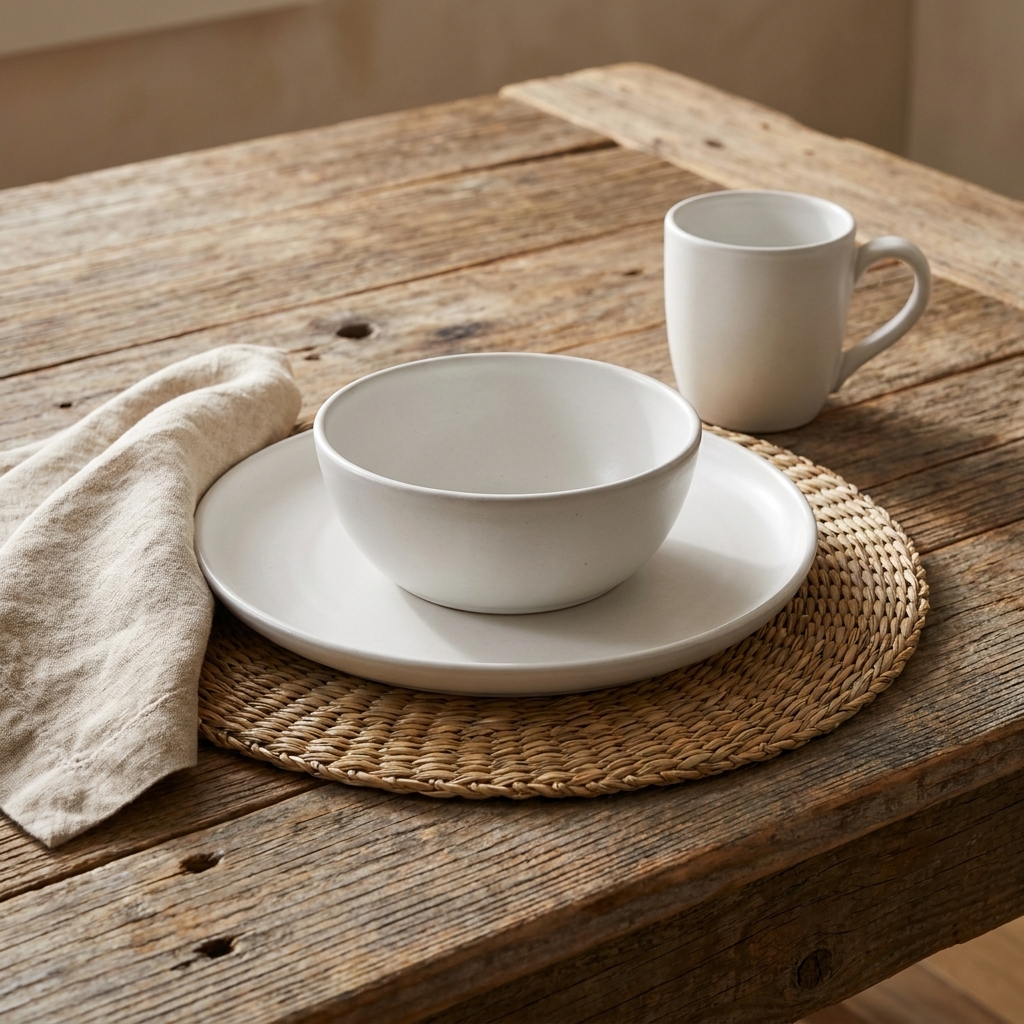
- Chargers: woven seagrass or simple wood rounds (great for protecting the surface, too)
- Plates: white stoneware makes reclaimed wood look even warmer
- Napkins: soft cotton or linen, loosely folded or tied with twine
My realistic approach: I often do two place settings on the long sides, then leave the ends open. It reads styled, but still feels livable.
7) Protect the surface
Everyday elegance is not just what you put on top, it is how the table holds up over time. Reclaimed wood is forgiving in spirit, but it still deserves a little care so it ages gracefully instead of looking neglected.
My common-sense habits
- Use coasters you actually like so they get used. I keep a small stack in the center bowl or tray.
- Rotate your centerpiece now and then to help reduce uneven sun fading, especially if your table gets strong daylight.
- Add felt pads under rough pottery, candle holders, and metal trays to prevent scratching.
- Use trivets or hot pads for warm serving dishes. Heat marks are not a vibe.
- Wipe spills quickly with a barely damp cloth, then dry right away.
Cleaning note: Skip harsh cleaners and anything soaking wet. A gentle soap-and-water wipe (well wrung out) is usually enough, and it is always worth testing a small spot first.
If your table is unfinished or very matte, consider asking the maker (or checking the product details) what finish is on it before you oil or wax. Some reclaimed tops are sealed and do not need anything beyond gentle cleaning, while others truly benefit from periodic conditioning. One important rule: do not oil or wax a polyurethane or varnish-sealed top. It can haze or cause finish problems over time, so follow the maker's guidance.
If your top feels rough or splintery, that is not something you have to live with forever. A light sanding and the right sealer can make it much more comfortable for daily use, but when in doubt, ask the builder what they recommend so you do not accidentally change the look.
Easy combos to copy
If you want a few foolproof recipes, here are three combos I use on repeat:
- Soft and simple: linen runner + dough bowl + one beeswax candle
- Fresh and green: grain sack runner + stoneware pitcher of greens + two votives
- Cozy and rustic: wooden tray + small crock + a bundle of dried stems
And remember, the real charm of reclaimed wood is that it is not precious. Let it host your life. A table that gets used, laughed around, and occasionally scuffed is exactly what a farmhouse home is meant to be.